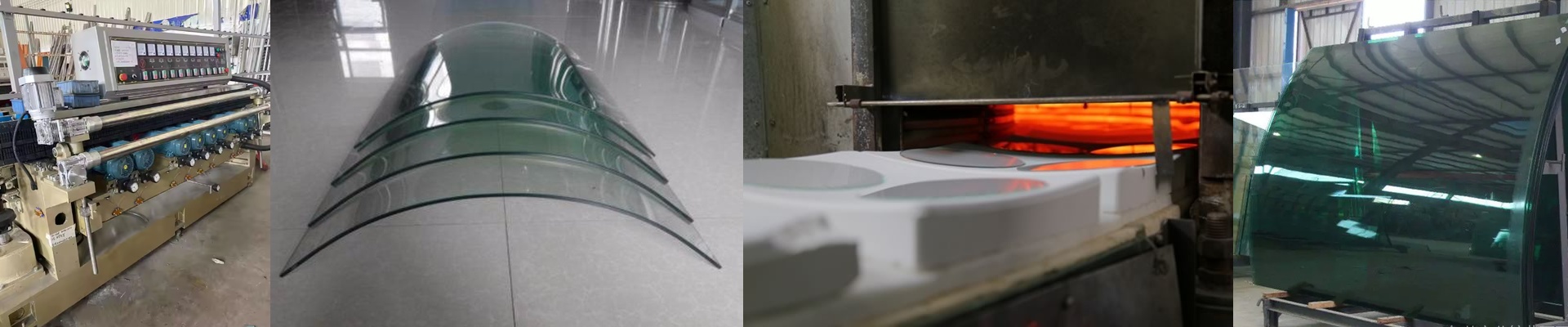
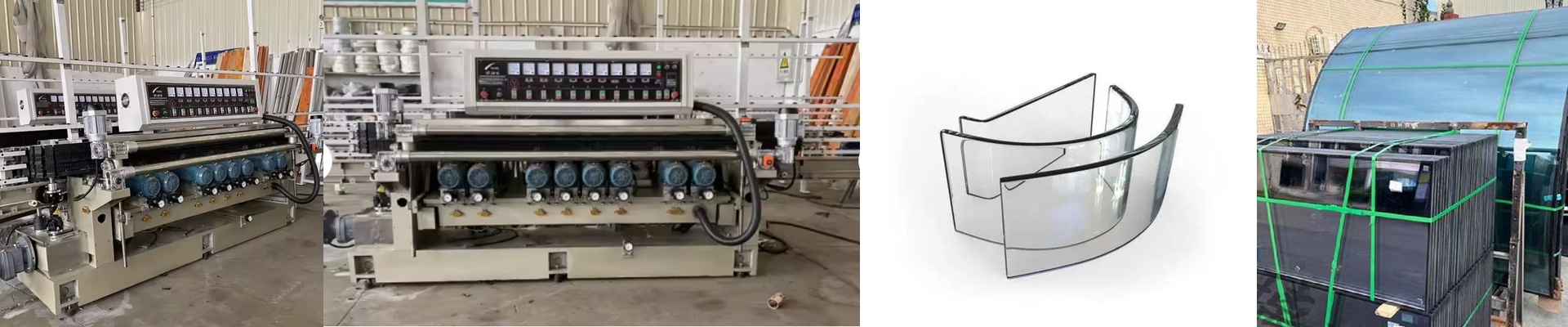
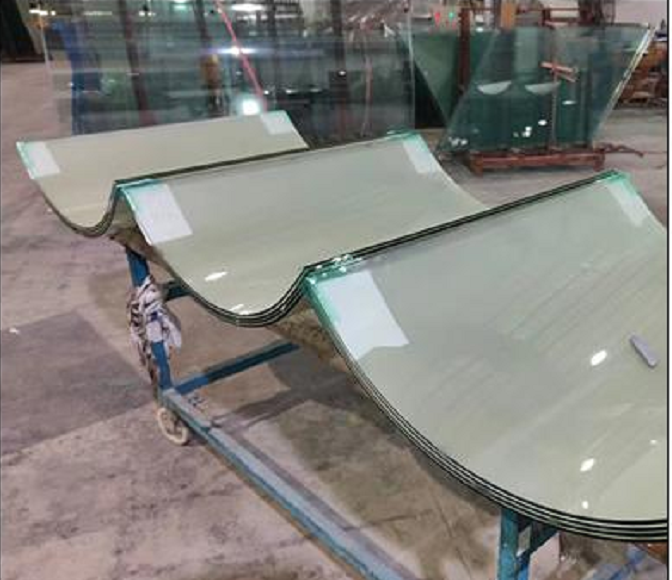
On a line running big glass panels, the bending step is where heat stops being a dial and becomes the process. Too cool, and the glass keeps a memory of the old shape—you end up reworking it. Too hot, and you bake in thermal stress that shows up later as breakage. Convection ovens drag cycle time, and they fight to hold a profile across sheets 3 m and larger.
What actually matters under the hood
We build large-panel bending heaters around short-wave infrared emitters in a quartz envelope, tuned to glass emissivity and tuned to respond fast. The whole point is a uniform thermal field: tight temperature control across the whole panel, so the glass hits the softening window without hot spots or cold edges. Directional radiation puts heat where it needs to be, so you’re not wasting energy on frames and air. In practice, that means quicker ramp-up, shorter soak time, and bend geometry that repeats—run after run.
Why this plays well in the bending cell
In the bending cell, you need throughput without gambling on quality. IR heaters bring panels up to temperature fast, so cycle time drops and oven capacity opens up. Uniform heat distribution cuts thermal stress, which means fewer scrap parts from micro-cracks and optical distortion. Energy use goes down because the energy goes into the glass, not into heating the room. On a high-volume line, that translates to more good parts per shift, curvature tolerance that holds steady, and fewer line stops chasing temperature drift.
The practical details you can’t skip
These heaters are compact and fit into the line, but alignment and clearance matter. If you don’t maintain the designed radiation pattern, the profile goes sideways. Panel size, glass thickness, and coating type change emitter density and control tuning, so the system is set up per the bending recipe. We match the interface to your machine—voltage, mounting, and controls—so installation stays straightforward. Plan for clean power and stable cooling. Keep those conditions consistent, and you protect emitter life and keep the thermal profile repeatable.