


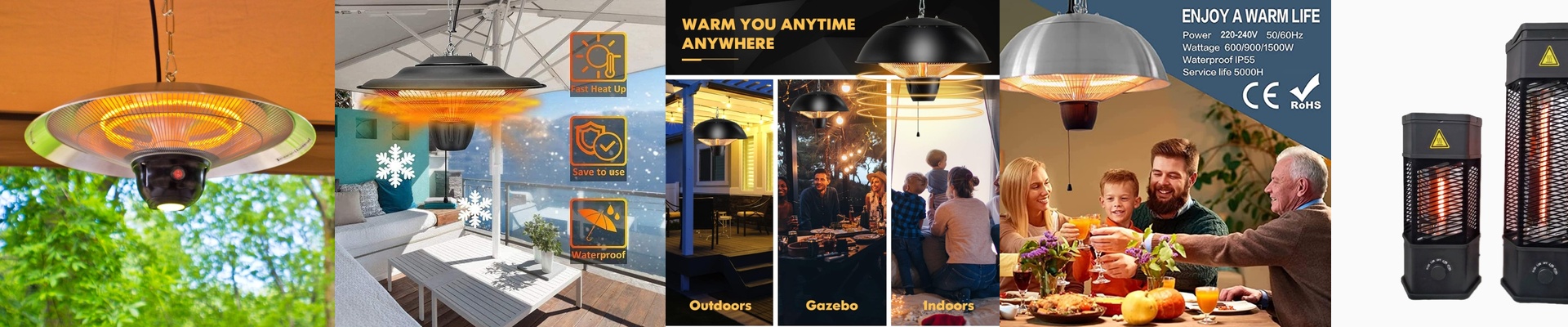
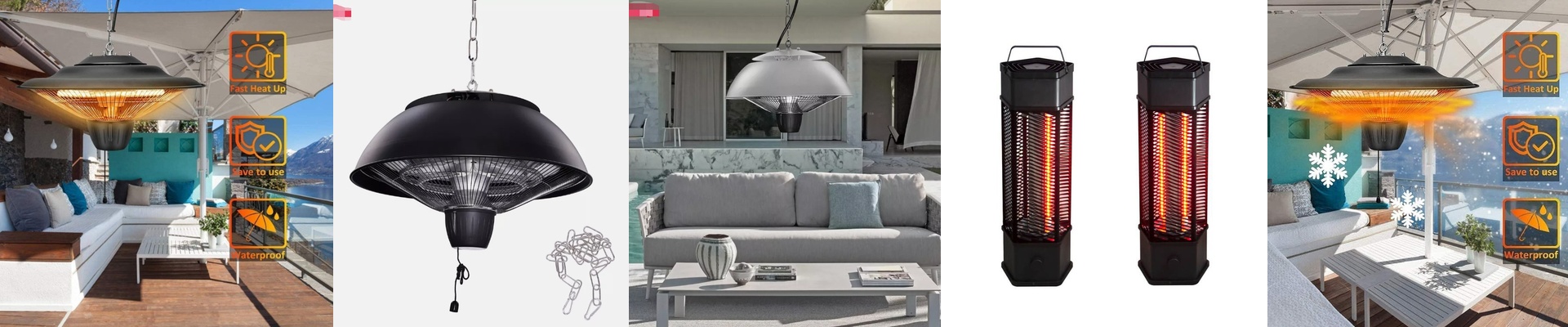
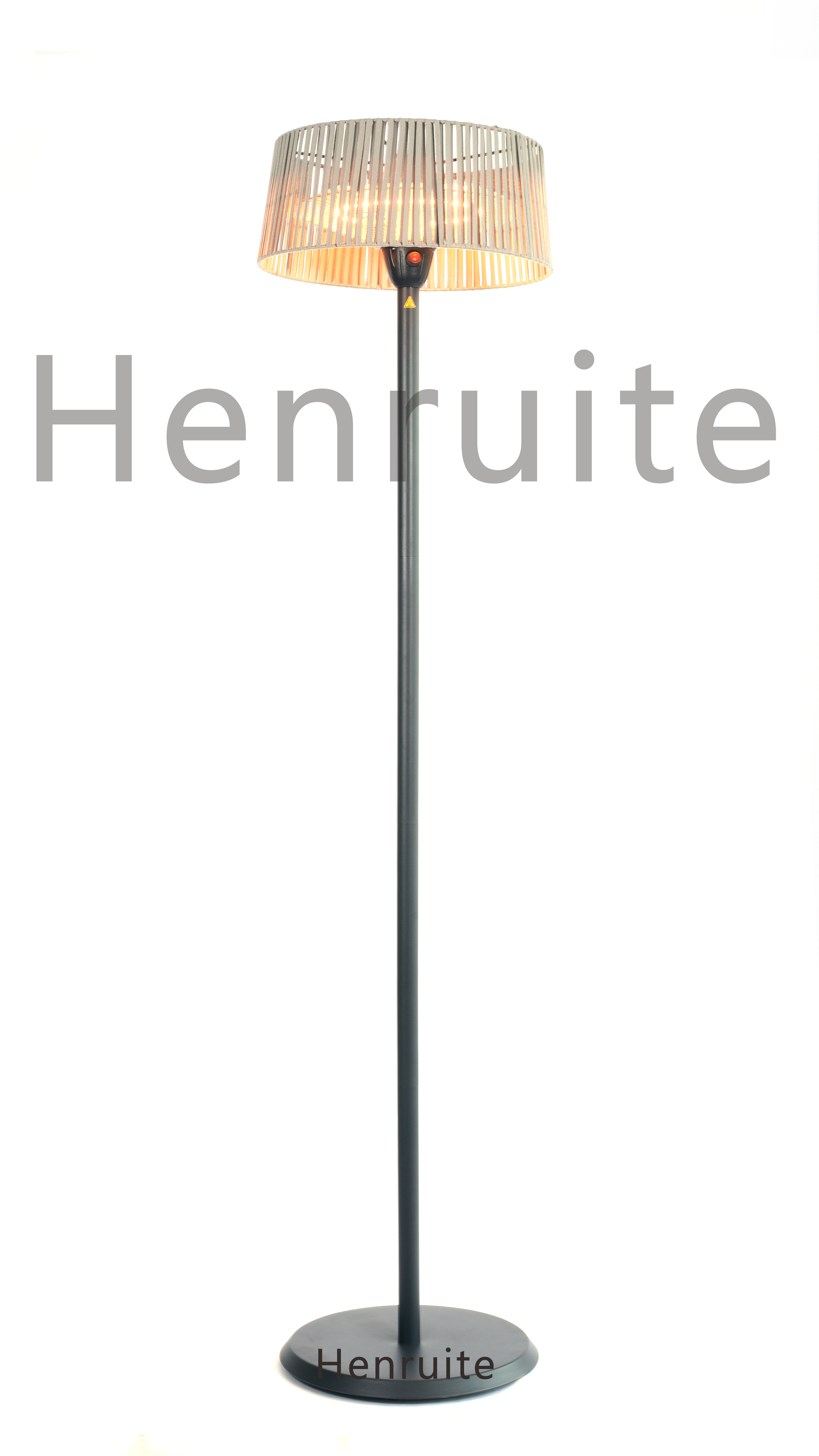
Stepping out of the shower into a bathroom that’s still damp and cold isn’t just uncomfortable—it makes the whole room feel tighter, darker, and harder to live in. Old “light-bulb” heaters are supposed to warm the air, but in real life you end up waiting, drying unevenly, and watching moisture linger. That’s why more modern bathrooms are switching to infrared heaters with a serious waterproof rating: they put the heat where you feel it, and they’re built to coexist with steam, not fight it. What matters, technically Infrared bathroom heaters work with radiant heat—warming people and surfaces directly, the same way the sun warms your skin. Inside, you’re usually looking at a quartz tube or a carbon fiber element, because both come up to temperature fast and hold output steady. The key spec here is the IP rating. IP24 is the usual baseline for bathrooms, meaning protection from splashes from any direction. Some models step up from there for areas with direct spray or heavier steam exposure. Power is typically matched to standard home circuits, often in the 1,500–2,000W range, and you want a thermostat so the room holds a steady comfort level instead of swinging between too hot and too cold. Why this works in a bathroom In a bathroom, comfort is about timing and getting the moisture out. Radiant infrared heats your body and the tile, not the air, so you feel warmer almost immediately. That translates to a quicker warm-up, more consistent drying after a bath, and less of that clammy feeling that hangs on walls and towels. Because the heat is focused, it can feel more even than convection heat, and with no fan, the room stays quiet. Add the right IP rating, and the unit is engineered for the reality of steam and wet surfaces—built to stay reliable through the daily routine. What you need to know up front Installation is where this either sings or struggles. An infrared bathroom heater needs the right spot—mounted high enough to stay out of direct water contact, yet placed so the warmth reflects and spreads across the room. It also needs a dedicated circuit, and GFCI protection where the code requires it. The trade-off is line-of-sight: radiant heat works best when the path is clear. If the unit gets blocked by cabinets or a shower screen, comfort drops. So plan the layout first, then pick the heater that matches your room size and wiring.