

Basements have a way of turning into cold, clammy caves. That constant damp isn’t just uncomfortable—it brings musty smells and air that feels heavy. Forced-air systems fight an uphill battle down there, cycling on and off without ever really taking the chill off.
What’s actually under the hood
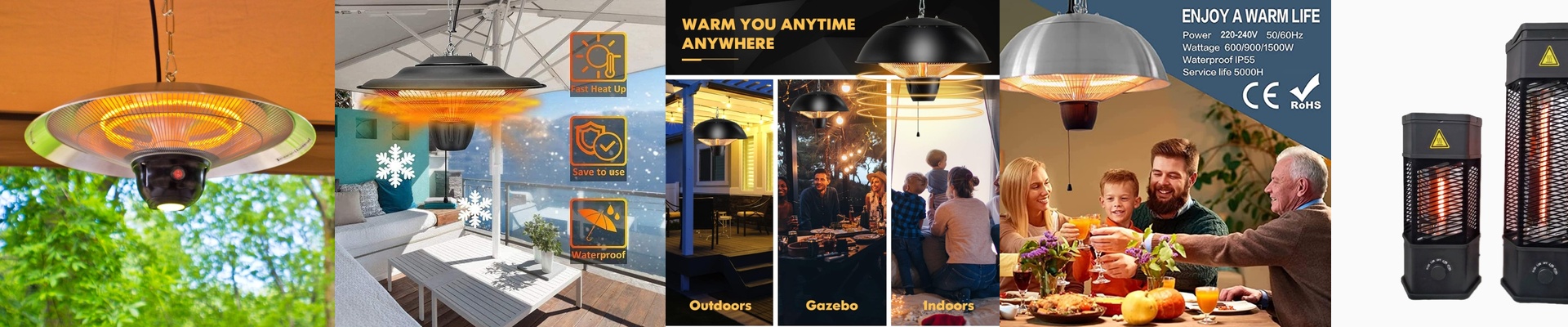
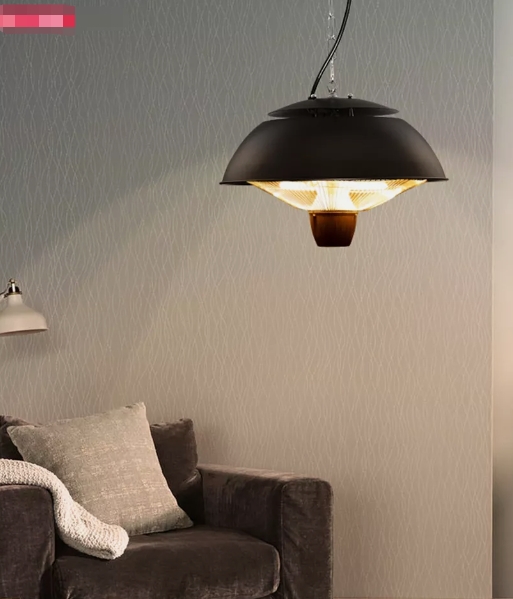
We built this electric radiant floor heater around a carbon fiber infrared element. It doesn’t try to heat the air first. Instead, it delivers radiant warmth that radiates outward, warming floors, walls, and objects directly. The feel is even and gentle—more like standing in sunlight than blasting hot air. It runs off a standard 120V outlet, and the low-profile wall-mount design keeps floor space open. Add in the integrated thermostat, and you get steady control without the usual temperature swings.
Why it makes sense in a basement
With basements, you’re chasing two wins at once: comfort and moisture control. Radiant heat warms surfaces first, so you feel cozy sooner—no waiting for the air to catch up. Warming those surfaces also helps cut down on condensation, which is why the room feels drier overall. You end up with a usable space that doesn’t require running the whole-house heating system, so the energy use stays sensible. It’s the kind of warmth that turns the basement into a real part of the house.
What to keep in mind
This heater does its best work in a well-insulated basement. It’s meant for open areas, so don’t box it in behind doors or heavy furniture that blocks the infrared path. Installation is straightforward, but I’d still have a pro handle the wiring—proper grounding and safety are worth it. It won’t take the place of a dehumidifier if things are very wet, but it pairs well with one to keep the space comfortable and balanced.