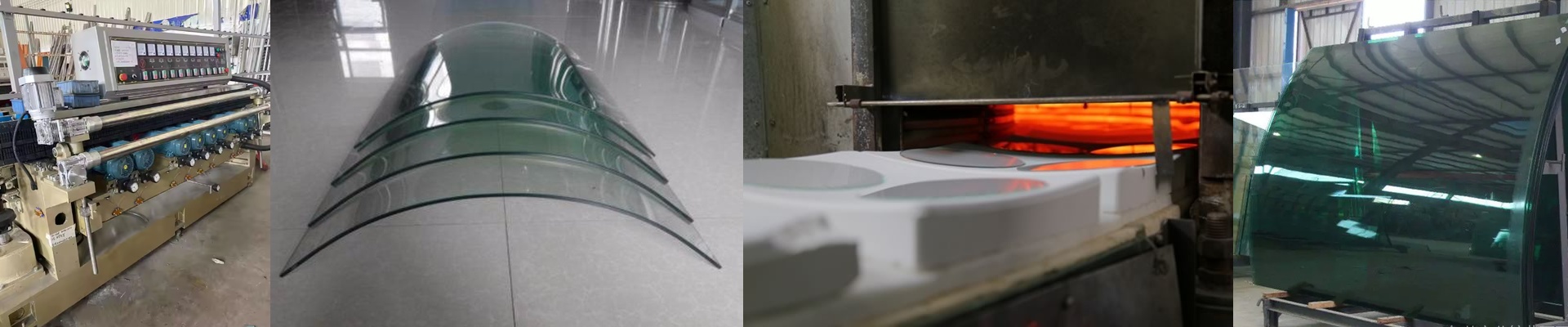
Out on the line, a glass screen protector heater isn’t just adding heat. It’s managing thermal risk. When you’re tempering thin glass or curing functional coatings, uneven temperature shows up as stress marks, bow, or fractures after forming. That means scrap, slower cycle times, and rework.
What matters under the hood
We build these heaters around near-infrared (NIR) elements because they dump energy straight into the glass and respond quickly. The emitters are tuned to glass emissivity, so the surface heats fast while the body stays cooler—less convection drift. Typical units run 200–600°C with ±2% control stability, in 240 V or 380 V configurations, and fit into existing tooling without crowding the footprint. **What you get is a repeatable thermal profile.**That matters when you’re pushing 2.5D or 3D screen protectors through tempering or coating drying without overshoot.
Why it fits the process
In glass work, time and temperature aren’t separate—they’re the process. NIR heating cuts soak time, so your screen protector line keeps moving at high volume. Focused heat also reduces thermal gradients across the sheet, which lowers the odds of optical distortion and edge cracking after bending or tempering. Energy use drops because the heater delivers on demand and cools fast, cutting idle losses. For coating curing, the fast response keeps line speed steady without giving up adhesion or hardness.
Practical notes from the floor
Installation is straightforward, but the heater has to match the machine’s clearances and airflow pattern. Expect a short burn-in to settle emissivity and confirm setpoint repeatability. Keep reflectors clean and verify alignment—misalignment creates hot spots that can show up as uneven tempering or uneven coating gloss. If your line swaps products often, program and store thermal recipes. That’s how you keep cycle time consistent and scrap low.