

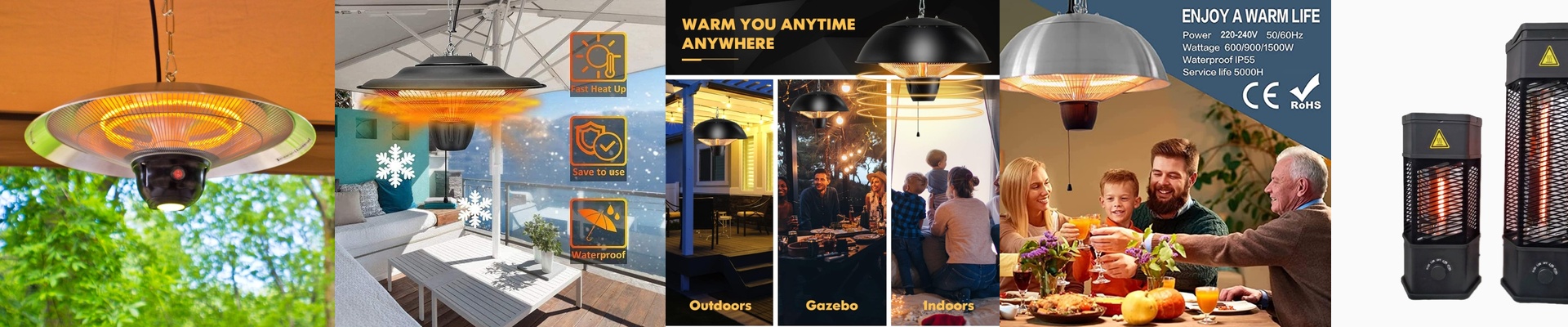
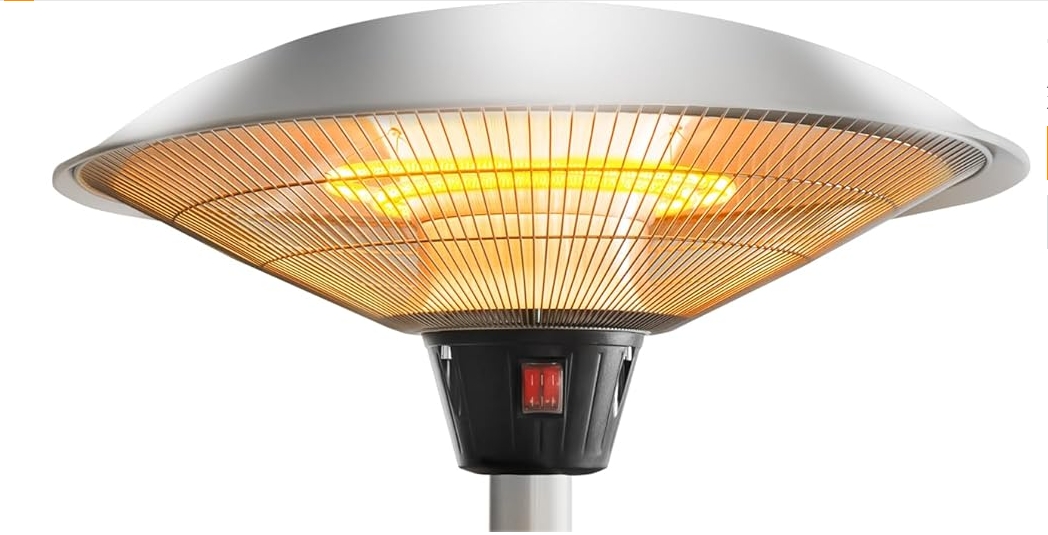
Walk into the shop on a cold morning and hit the switch. Those first few seconds are the most honest you’ll get from an infrared electric heater. The instant glow isn’t just a light show — it’s a quick, visible check on what’s inside the element.
What matters under the hood
Infrared electric heaters run on radiant heat, and that means an element that gets hot enough to emit light. In the real world, that shows up as a quartz tube or a carbon fiber panel that lights up within seconds. A clean, steady orange-to-white glow that comes up fast tells you the element is pure, with consistent resistance and even heat distribution. If the start-up drags, flickers, or shows dark patches, the internal material is likely impure or under-spec. That’s how you get hot spots, early failures, and output that just isn’t there.
Why this matters on the job
On the workbench, in the garage, or out on the patio, that first glow translates into confidence. A well-made element comes up fast, so you feel warmth almost immediately, without waiting for air to move. Less draft. More even comfort. Less energy wasted heating empty space. For you, that means lower running costs, fewer replacements, and a steadier feel that keeps hands warm and muscles loose.
Practical notes you’ll use every day
Placement matters. Infrared warmth travels in straight lines, so point the heater where you need it and keep the front clear. Most electric infrared units are built for outdoor-rated areas, but always check the IP rating and keep the heater away from water and anything combustible. One more thing: the brighter the element, the more direct the heat. Start at a moderate distance and adjust until the comfort is even, not scorching.