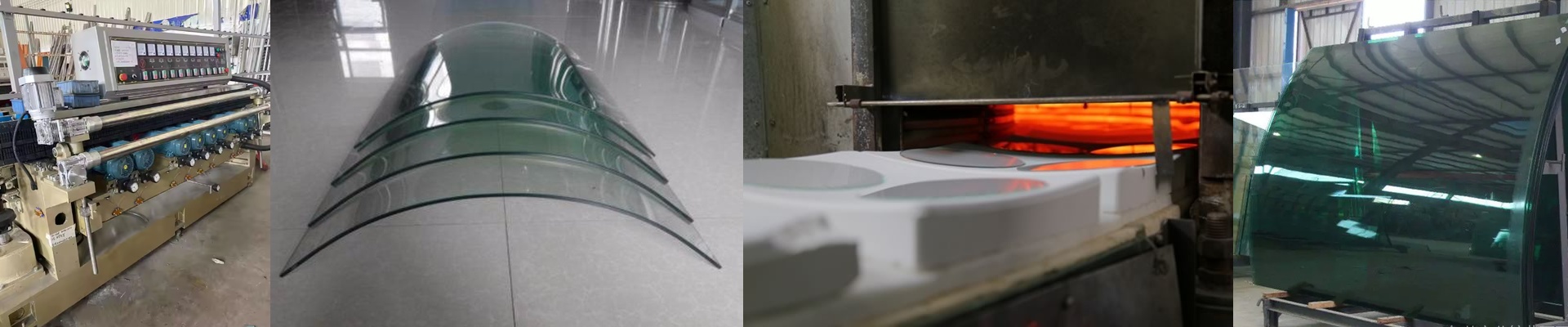
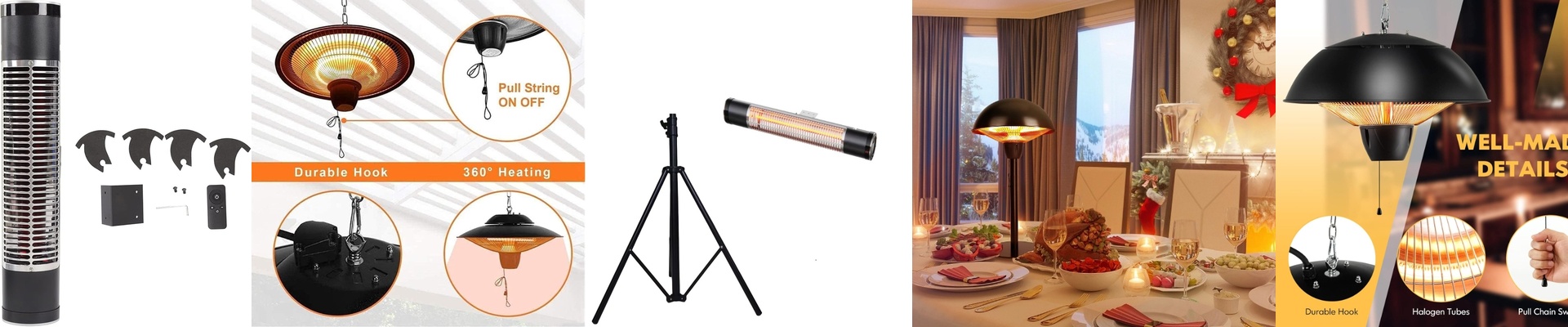
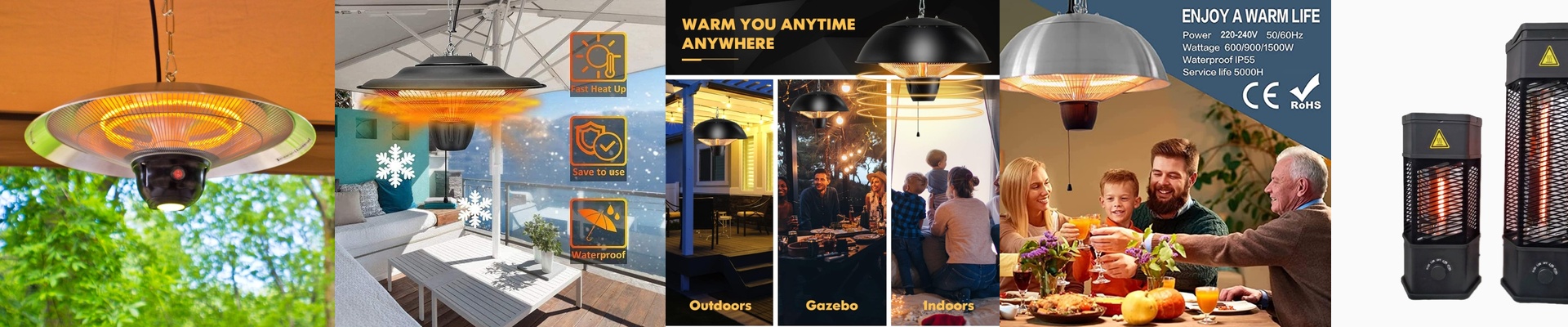
On the line, paint curing is where throughput, quality, and energy use all meet in the same hot spot. Convection ovens drag cycle time, and uneven heat shows up as waviness, poor adhesion, or solvent traps that come back to bite you in inspection. Infrared heaters built for glass paint curing can cut that cycle, but only if you keep the thermal field under control—otherwise you buy yourself thermal stress and rework downstream. What matters technically We lean on short-wave infrared quartz emitters because they bring high power density and fast response, which is exactly what continuous glass lines demand. A tuned spectral output targets the coating’s absorption band, so the energy goes into curing, not into heating the furnace walls. That gives you a repeatable thermal profile across the glass, which keeps cure consistent and limits thermal gradients that can drive stress—and risk fracture—when the glass hits tempering or bending later. Control comes from closed-loop pyrometers and zoned power, so you hold setpoint even when line speed changes. Why it works here In glass processing, curing isn’t a standalone step. It sits between coating, drying, and the operations that follow—tempering, bending, lamination, or insulating glass sealing. A stable, fast cure lowers the odds of edge defects and surface marks, and it keeps the line moving without waiting for mass to equalize. Energy use drops because infrared heats the product directly, not the surrounding air. Maintenance stays manageable, too, with modular emitters you can swap without re-tuning the whole oven. For plants running high-mix colors and thicknesses, you can re-profile quickly, so changeovers stay short. Things to know Infrared curing is line-of-sight, so part geometry and emitter spacing matter. Thick glass and deep coatings can need a dual-zone approach—high-intensity pre-heat followed by a lower-intensity dwell—to avoid skinning and solvent entrapment. Emitter alignment and clean quartz tubes are mandatory; dust and coating overspray kill output and uniformity. You’ll want a clear interface spec with your PLC and careful pyrometer placement to dodge emissivity errors. When it’s matched to the line, these heaters can run as drop-in modules, but the oven door seals and reflectors still need to be in good shape to hold the profile.