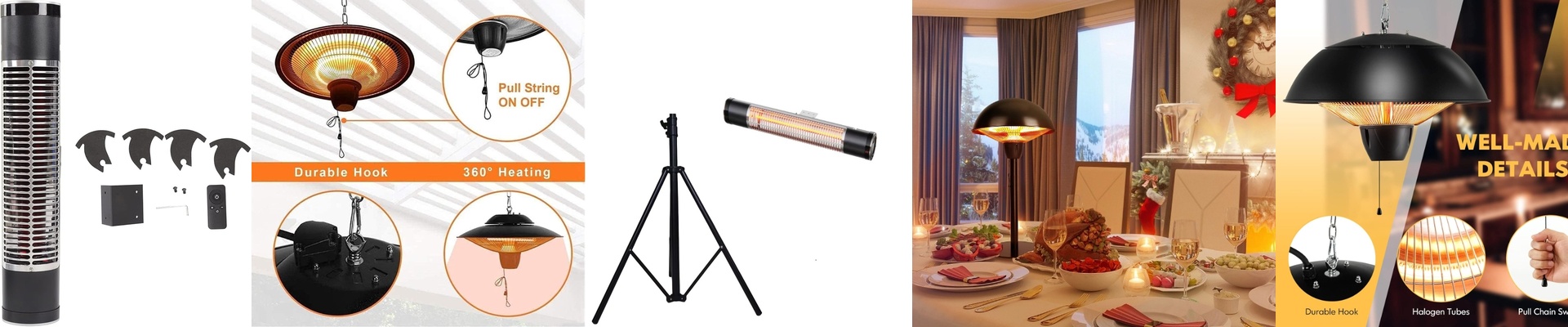
A cold snap turns a morning coffee run into a quick stop, and a train platform into a test of patience. In these shared spaces, comfort isn’t just nice to have—it keeps people lingering, moving, and coming back.
What matters, technically
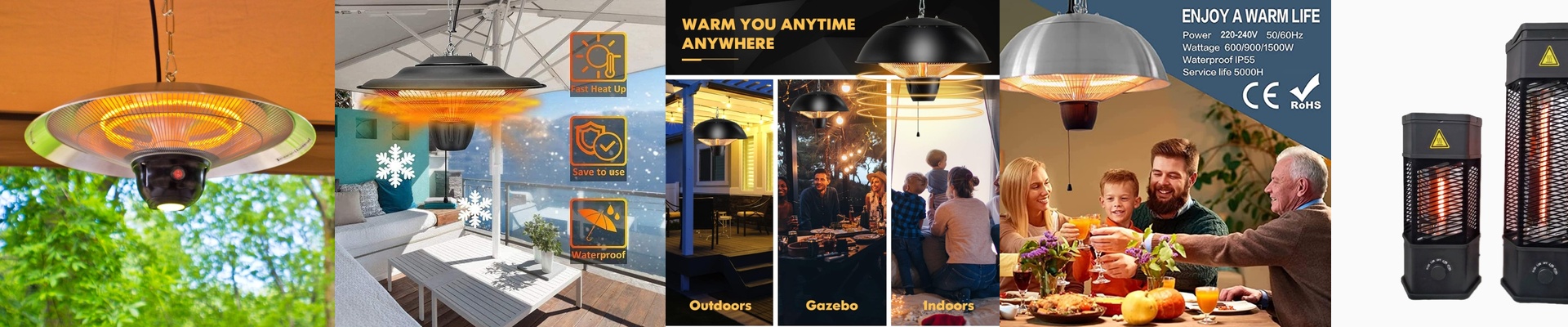
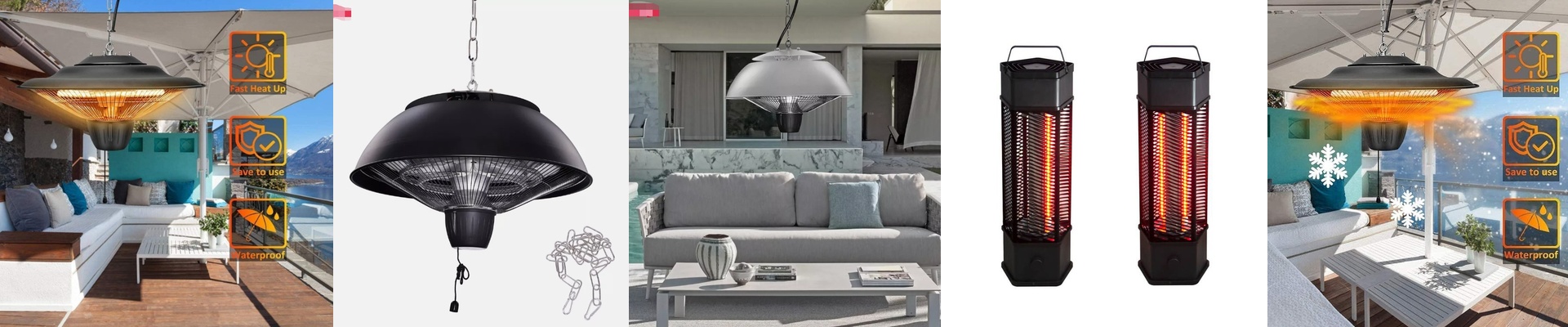
Infrared heaters work the way the sun does: radiating warmth straight to people and surfaces, not the air. We lean on a carbon fiber element or a quartz tube that glows in the near-infrared band, so you get heat the instant the unit is switched on—no warm-up, no draft. Many commercial models run on 120V or 240V, with outputs from 1.5 kW to 5 kW, so you can match the coverage to the footprint. For outdoor or semi-exposed spots, look for an IP rating that keeps dust and splashes out. Built-in thermostats keep the feel steady, and tip-over protection adds a practical safety layer.
Why this fits the job
From café patios to train station concourses, the goal is fast, localized warmth that doesn’t waste energy heating empty ceilings. Infrared heaters warm tables, stools, and bodies directly, so guests feel cozy within seconds. Because the heat is directional, you can aim it where people actually sit and stand—less wasted output, and better control over the bills. In transit hubs, that translates to fewer complaints at gates and platforms, smoother flow, and a more welcoming feel. For staff, the radiant warmth eases muscle stiffness on cold shifts, which supports comfort without overheating the space.
The practical details
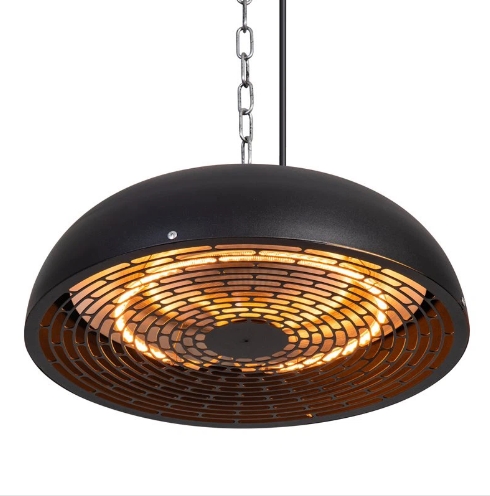
Infrared heat works best with a clear line of sight. Ceiling mounts and wall brackets should be placed so the beam hits the target area without obstruction. In very windy outdoor spots, even an IP-rated heater can lose punch, so consider partial wind screening or step up to a slightly higher wattage. And because the element glows, positioning matters for glare—angle it away from eyes, and pair with task lighting where needed. Set the thermostat once, and you get repeatable comfort with minimal fuss.