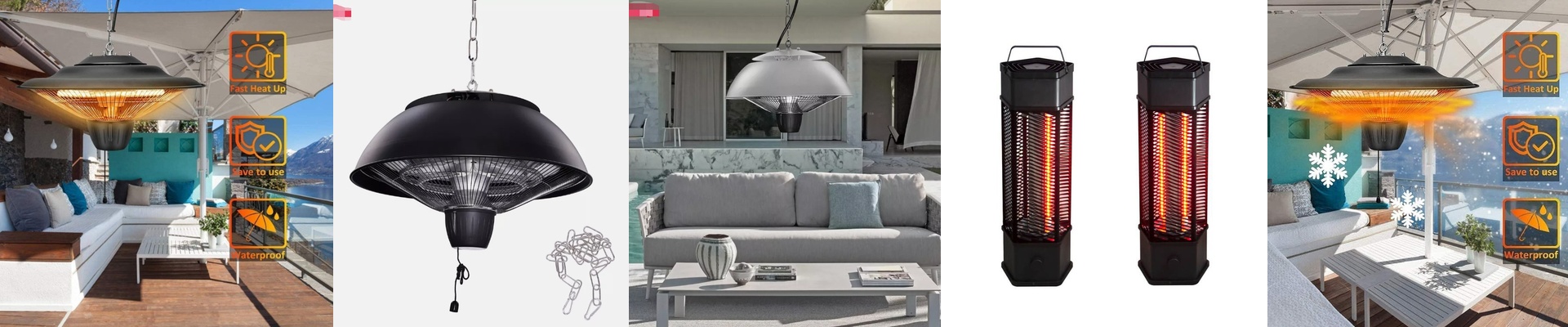
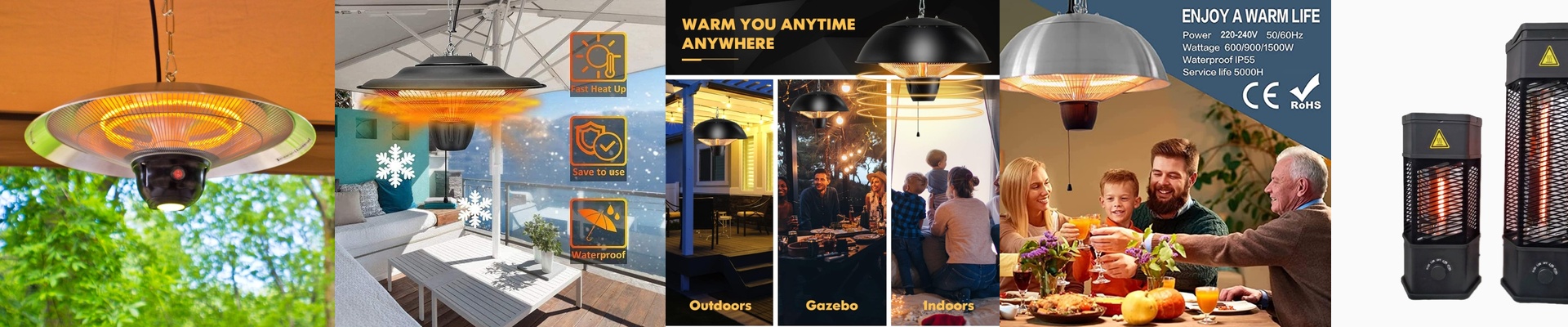
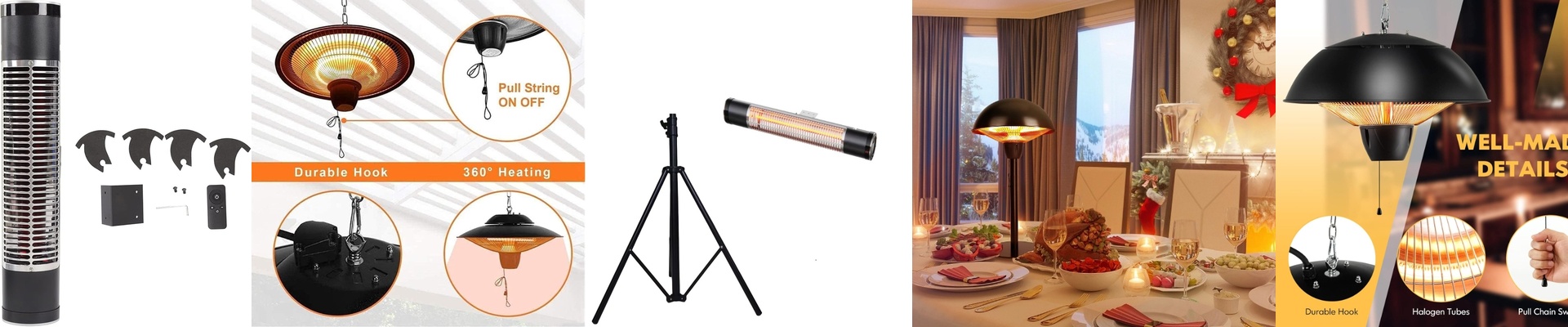
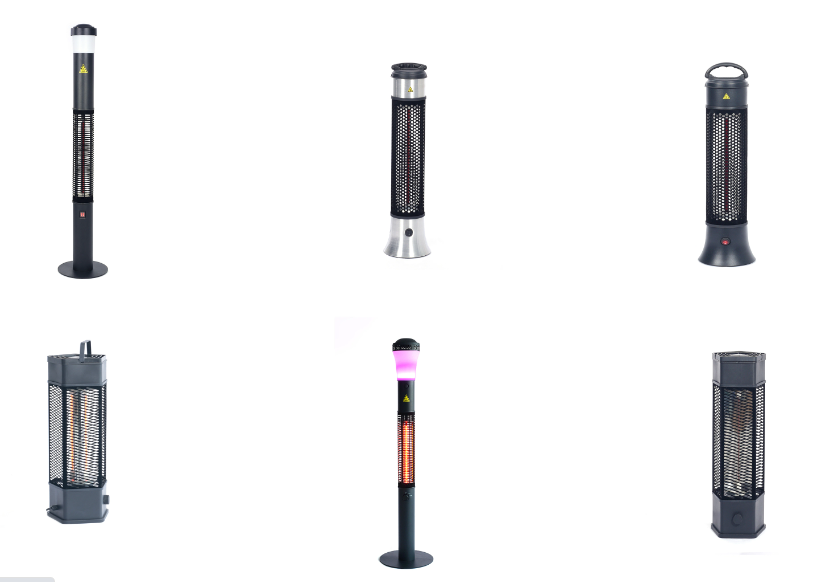
We built our quartz infrared heaters around one straightforward idea: give people dependable, modern warmth without the markup or the guesswork. Whether you’re trying to take the bite off a chilly patio, heat a drafty workshop, or keep the family comfortable at dinnertime, comfort shouldn’t be a luxury. When the air turns thin and the space fights you, you need heat that comes on fast, settles in evenly, and keeps running without drama.
What matters under the hood
Inside these heaters is a quartz tube that delivers infrared warmth, sending radiant heat directly to people and objects—not just to the air around them. You feel the heat within seconds, no waiting around for the room to “catch up.” Most models run on standard household voltage, so you can plug them in and get going. And they’re designed to be compact, so you can put them where you actually live, not where the unit happens to fit. The quartz element is efficient by nature, turning electricity into targeted warmth with minimal waste. The heating assembly is built to take frequent on/off cycling without overheating, so it stays steady through day-to-day use.
Where this approach shines
This style of heating just makes sense in everyday settings. Indoors, the focused infrared warmth cuts through the deep chill that settles on hard floors and under high ceilings, so living rooms, bedrooms, and home offices feel cozy sooner. Outdoors, it turns a porch or covered patio into a spot people actually want to linger in, even when the evening cools off. Because the heat is directional, you aim it where you gather. And because the system is straightforward, it stays reliable season after season. For families and hosts, it’s comfort you can count on—quiet, immediate, and steady.
The practical details
Quartz infrared heaters perform best when they have a clear line of sight to the people and surfaces you want to warm. Radiant heat travels straight, so line of sight matters. They work great in covered outdoor areas and well-insulated rooms, but they aren’t built to fight heavy wind, and they aren’t a substitute for full-room forced-air heating in very large, open spaces. As with any electric heater, set it on a stable, level surface with proper clearance from combustibles, and plug it into a circuit that can handle the unit’s power draw. Put that attention in up front, and you get smoother, safer warmth all season.