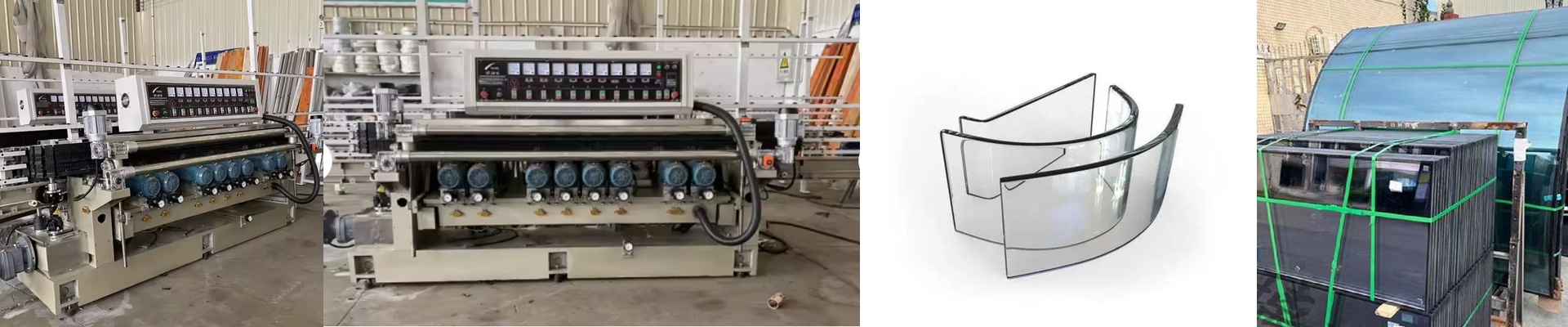
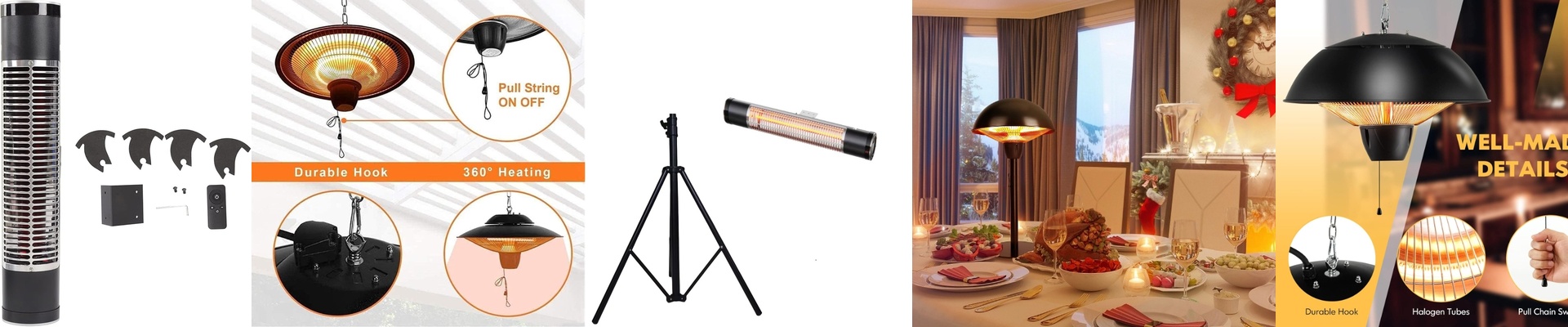
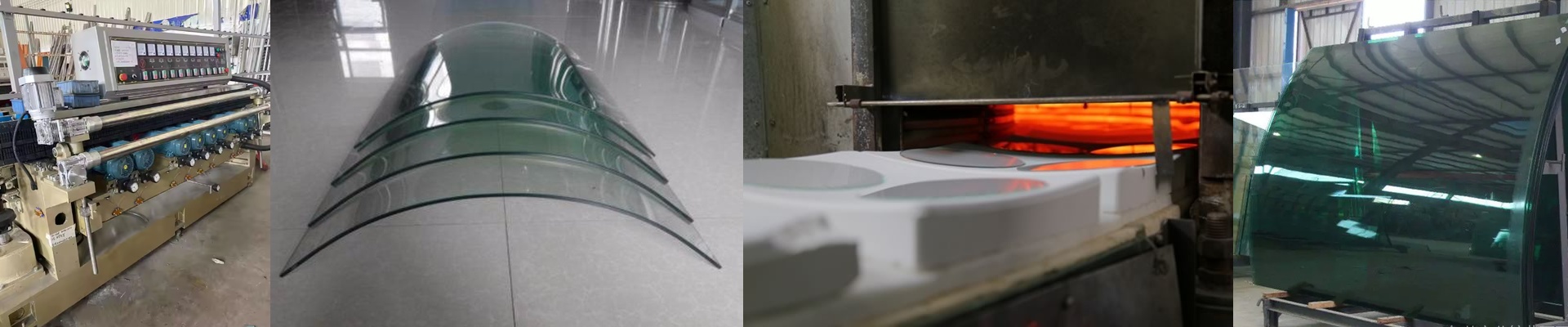
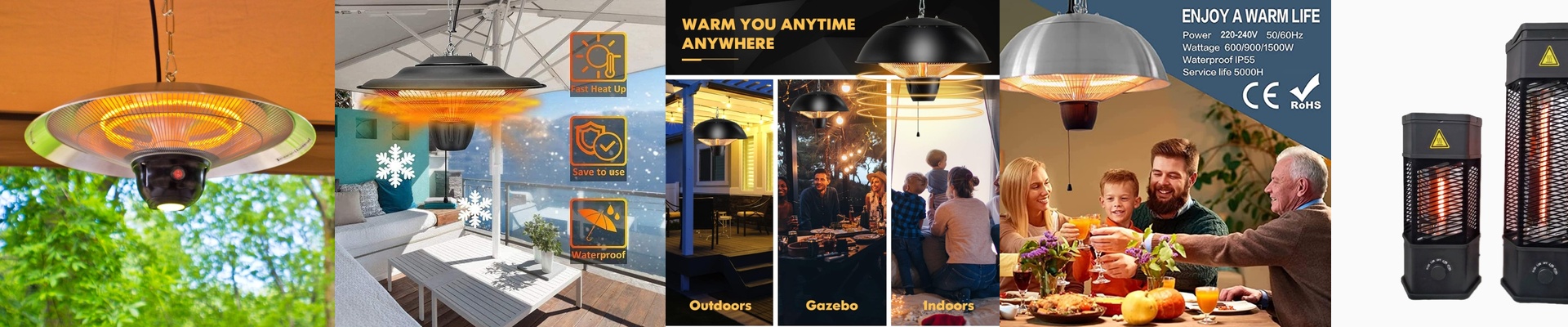
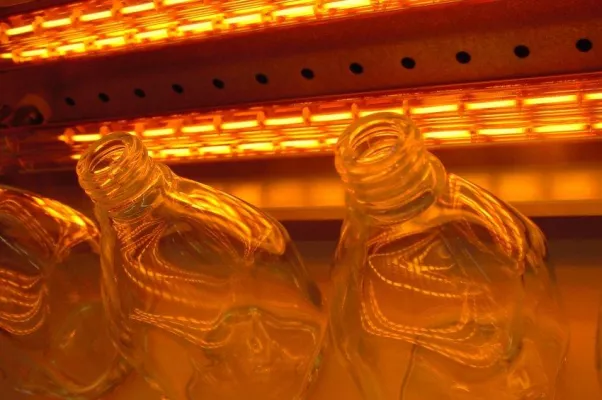
Out on the line, sublimation on glass is all about controlling heat. When the heater can’t keep up, you end up with mottling, weak transfer, and glass that cracks from thermal stress during annealing or tempering. We built this heater to run the way a glass plant needs—steady, predictable, and repeatable. What matters under the hood The core is a quartz-based infrared emitter matched to the sublimation ink window, giving you fast ramp rates without scorching the substrate. Element layout and reflector geometry are tuned to create a uniform thermal field, so you aren’t chasing hot spots and cold edges. Temperature control is closed-loop, with emissivity-aware sensing that holds setpoint stability within ±2°C across the active area. Power density is sized for industrial duty cycles, and low thermal inertia makes changeovers quick. The payoff is repeatable dwell time and consistent image density, batch after batch. Why it holds up in practice Sublimation demands a tight thermal profile. This heater stabilizes the heat window so ink transfer stays uniform, even across large-format sheets. It supports faster throughput by cutting warm-up and cool-down time, and the even heat reduces thermal shock—the kind that triggers stress fractures in annealing, bending, or tempering. Energy use drops because heat is delivered on demand, not wasted preheating the whole chamber. On insulating glass lines, it keeps the sublimation step outside the primary seal, so you don’t risk moisture and seal integrity issues. A few shop-floor notes Installation comes down to matching footprint, terminal type, and clearance so nothing contacts nearby components. The heater performs best on clean, flat surfaces; warping or debris creates a gap and throws the thermal profile off. Plan routine checks on reflector condition and sensor alignment, especially in dusty or humid environments. If your process runs very high temperatures with extended dwell, confirm the quartz element rating against your cycle time to avoid over-cycling.