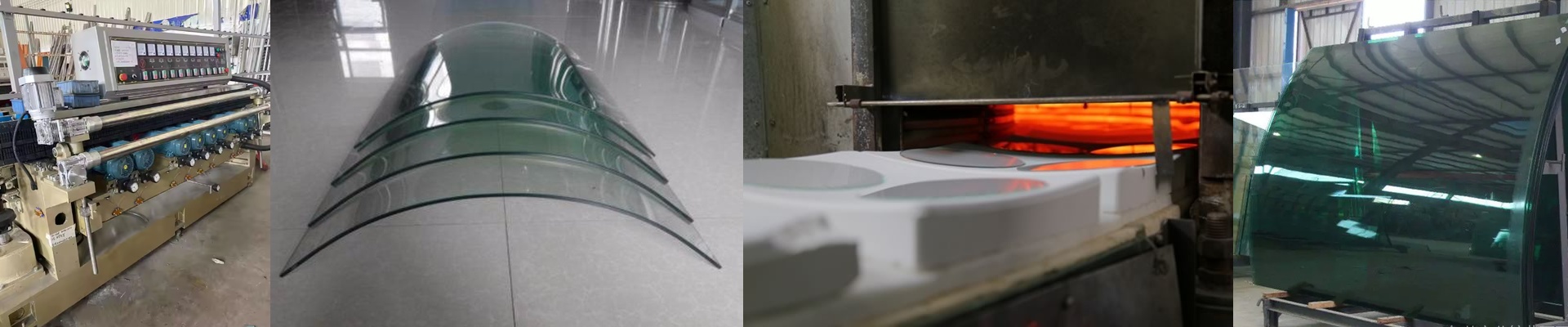
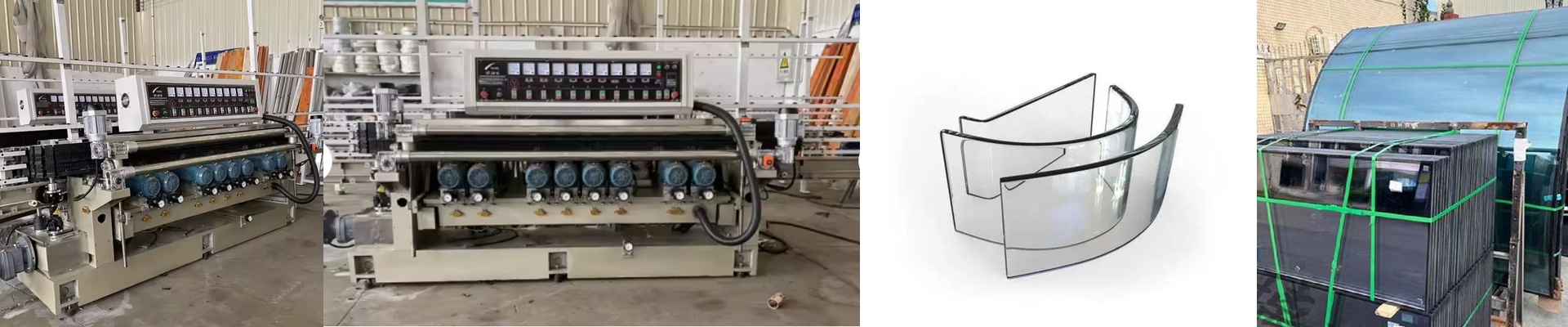

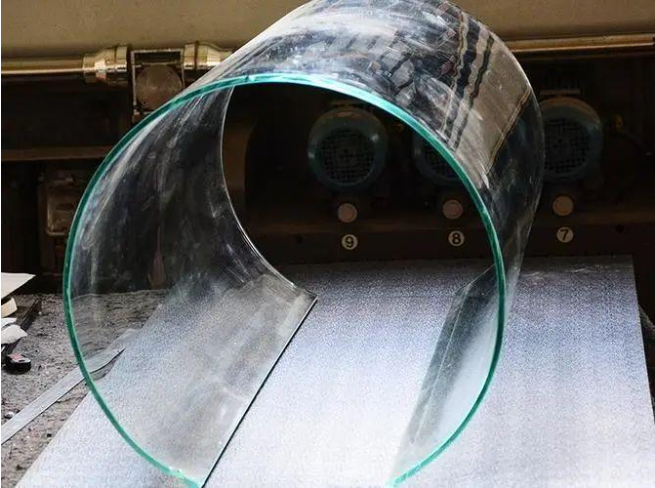
Out on the line, the tempering oven or bending furnace is only as good as the heat under the glass. When the heater starts drifting, you get uneven sag, thermal stress cracks, and scrap that bleeds margin. You need heat you can count on, shift after shift, with repeatable temperature control. What matters under the hood We build glass heaters around one idea: predictable heat delivery. Quartz or short-wave infrared elements snap to temperature and put the energy where you need it. Medium-wave designs handle the steady output that bending and annealing zones demand. We control uniformity the old-fashioned way—spacing, reflector geometry, and attention to the thermal field so you don’t fight hot spots and shadows. In practice, that means power in the 200–600 kW band, 380/480 V three-phase, compact footprints for retrofit, and IP-rated housings for dust and moisture. You get fast warm-up, stable behavior across coated glass (emissivity stays consistent), and output that keeps your process window tight. Why this matters on the floor In tempering, even heating across the sheet cuts optical issues and lifts first-pass yield on safety glass. In bending, controlled ramps reduce spring-back and edge roll. In lamination—whether you run EVA, SGP, or PVB—holding the right hot-press temperature keeps the bond line clean and minimizes bubbles. Energy use falls because the heater hits setpoint quickly and holds it without overshoot. Fewer temperature-related rejects protect throughput. And with drop-in mounting and standardized connections, changeover is faster, so you spend less time on maintenance and more time shipping good glass. Here is what to watch for Match the heater to the machine envelope and your control strategy. Before installation, verify clearances, airflow, and mounting hardware, and make sure the control interface plays cleanly with your PLC and safety interlocks. In humid or dusty environments, keep optics and terminals clean—otherwise output stability will drift on you. Expect a trade-off between peak power and element life. Run the heater at the lowest stable setpoint your process can tolerate, and you’ll stretch service intervals while keeping quality consistent.