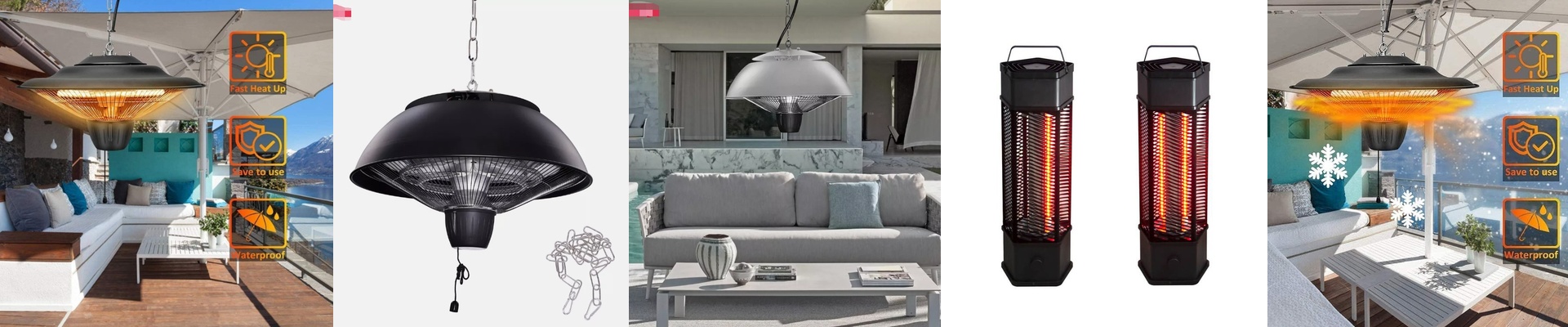
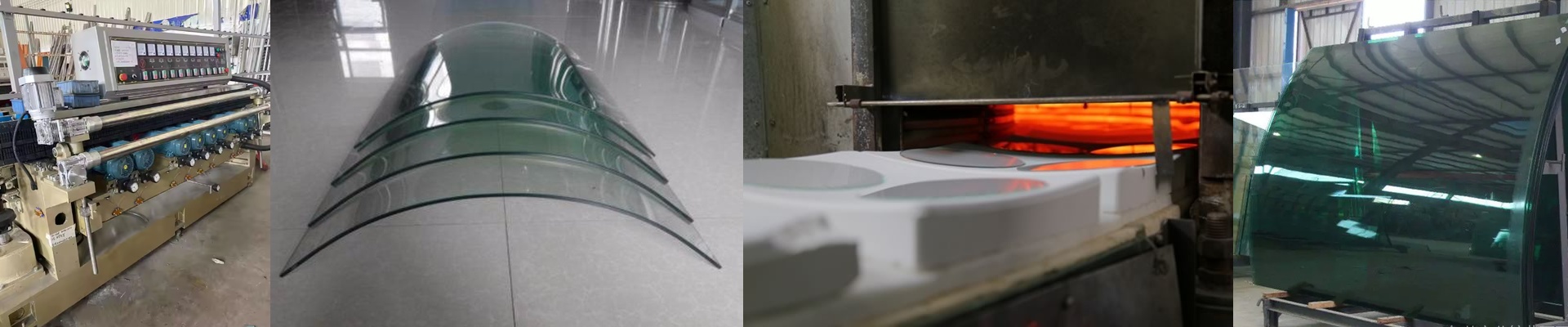
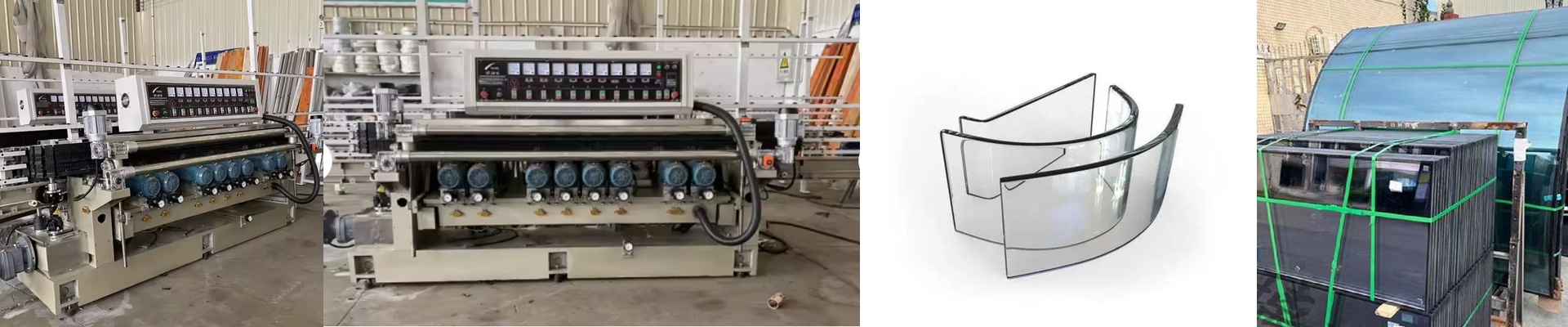
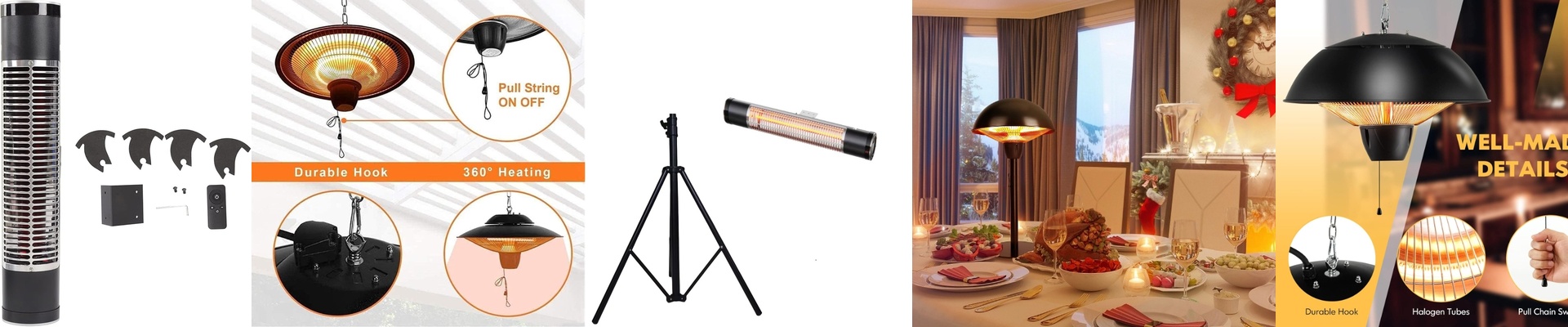
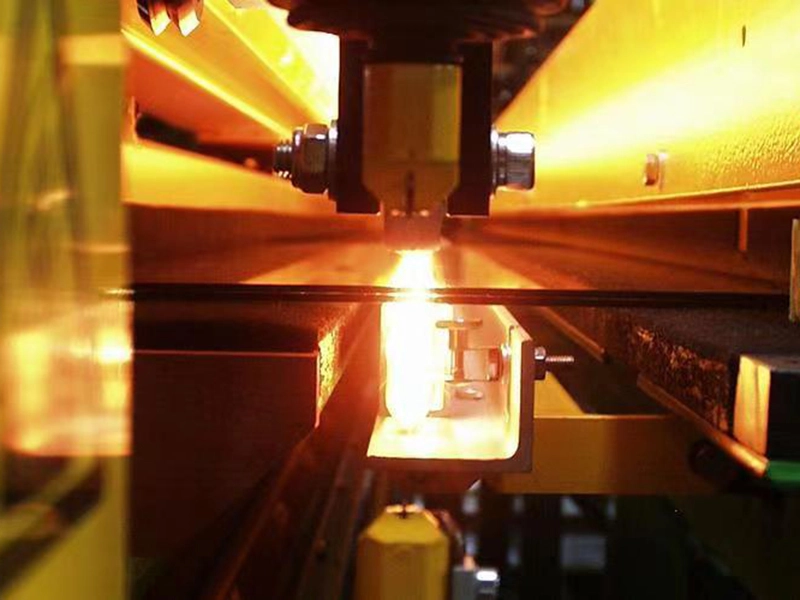
On the bottling line, the annealing oven is where thermal stress quietly eats your yield. Let the heat profile drift, and you’re staring at micro-cracks, uneven strength, and scrap that should have shipped. We build these furnace heaters to keep the thermal field stable and repeatable, shift after shift. What matters, technically We spec medium-wave infrared elements in quartz tubes because they respond fast and give predictable emissivity across the glass transition window. That translates to tight temperature control—±3°C across the belt—without hot spots or cold zones. Standard ratings are 120–240 V and 1.5–6.0 kW per module, in a compact footprint that drops into common furnace lanes. Installation is straightforward: ceramic terminals, solid seals, and mounting options that line up with what’s already in the oven. Why it holds up on the line Stability is what buys you yield. A uniform thermal profile cuts stress fractures and keeps the annealing curve consistent, even when line speed changes. Fast ramp-up shortens cycle time without overshoot, and the heaters snap back to setpoint after maintenance or startup. Energy use drops because the control is precise—less idle heat, less over-compensation, fewer wasted kWh. Maintenance takes a hit too: fewer element changes, fewer belt stoppages, and less downtime spent chasing temperature drift. The details that bite you if you ignore them These aren’t plug-and-play for every oven geometry. Clearance around the tubes and airflow direction matter, and mismatched reflectors can create uneven heating. Spec lane width, belt speed, and target temperature range up front, and make sure the control system can handle the load step. When it’s all matched correctly, the heaters run long and clean—expect thousands of hours with stable output and minimal drift.