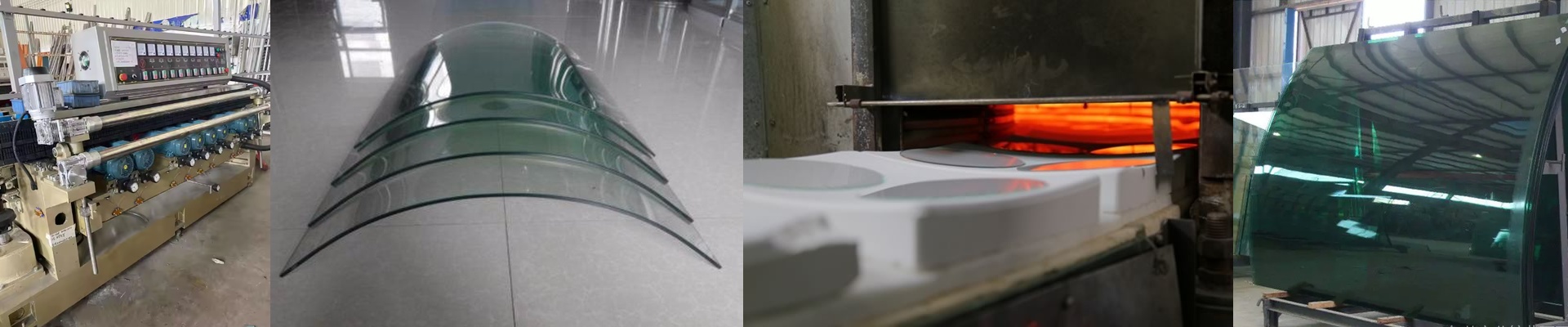
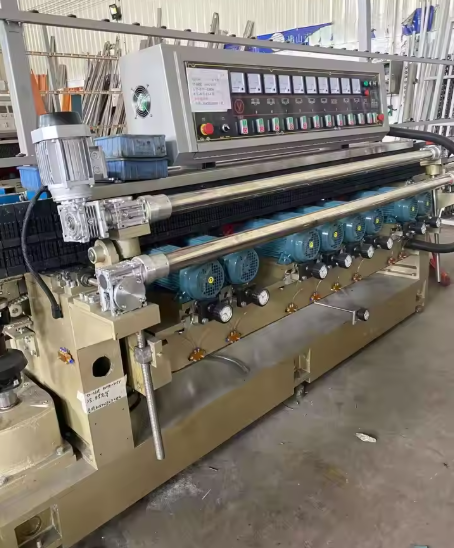
On the floor, heat isn’t something you get to wing. One annealing bulb that runs hot or cold, even slightly, and you’re chasing glass outside its thermal tolerance. Then you pay for it in warp, optical distortion, and scrapped loads. We built this annealing bulb for the realities of glass processing—because temperature uniformity, repeatability, and uptime are what keep margins intact. What matters under the hood It’s a quartz-based design, tuned for heat that’s fast, controllable, and stable. The filament layout and reflector geometry are set to give you a tight thermal pattern—fewer hot spots, and less edge-to-center swing. In practice, the bulb responds quickly to setpoint changes and holds temperature steady across the heating window. That means less thermal lag between cycles, and tighter control over annealing and preheat. Where it earns its keep This bulb shines where the process is unforgiving. On bending and hot forming, controlled softening keeps shape consistent. On tempering lines, uniform preheat helps you avoid stress fractures. In lamination (EVA/SGP/PVB), the right heat ramp keeps film flow even. For coating and drying, stable, repeatable heat helps you dodge blisters and uneven cure. Faster stabilization cuts cycle time. Tighter uniformity means less rework. Less output drift saves energy and stretches replacement intervals, so ovens and furnaces stay on schedule. What you need to watch Installation is straightforward, but the environment is the detail. Keep the bulb clear of direct contact with fixtures, and keep reflector surfaces clean so thermal distribution stays true. Match the rated voltage and socket interface to your equipment, and make sure your control strategy can keep up with the ramp rate you’re running. On high-throughput lines, set up periodic checks of emissivity and temperature profile. That’s how you keep the heating field inside spec, shift after shift.