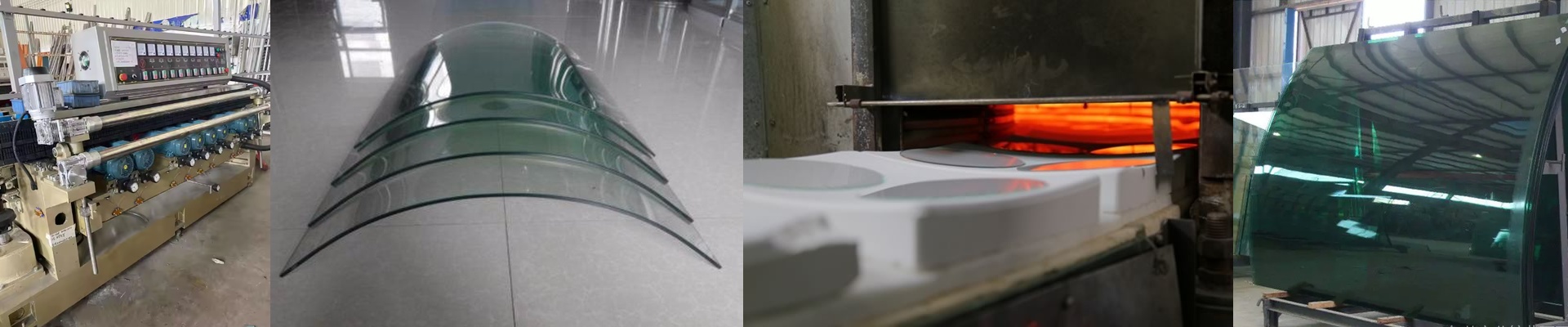
On the line, a slow cure isn’t just a bottleneck—it’s scrap. When phone glass runs through lamination or coating drying, uneven heat shows up as stress fractures, poor adhesion, and rework that eats your margin. The heating module has to hit temperature fast, hold steady, and keep the thermal profile tight, cycle after cycle. What matters under the hood We spec the curing lamp with near-infrared (NIR) quartz emitters. They dump energy in fast, with low thermal inertia, so the lamp hits setpoint in seconds and cools quickly for short-cycle changeovers. The emitters are arranged to lay down a uniform thermal field across the glass surface, cutting hot spots and edge overheat. Power is matched to line speed, and the package is built to drop in—standard mounting centers, clean wiring—so it fits existing frames without reworking the whole station. Why it holds up in phone glass work For mobile cover glass, you need repeatable heat for EVA/SGP/PVB lamination and coating drying—without driving thermal stress. This lamp gives you a stable, controllable heat band that keeps resin flow consistent and cures through, cycle after cycle. The payoff is fewer rejects from bubbles, delamination, and optical distortion, and higher throughput because you can compress dwell without giving up quality. Energy use is lower than broad-spectrum options, too, because the energy goes where it needs to and isn’t wasted to convection and excess mass. The details that bite you if you ignore them NIR curing is line-of-sight. Glass geometry, reflective fixtures, and shadowing from the fixture can shift the thermal profile, so verify setup with thermocouple mapping across the actual parts. The lamp plays nice with most PLC-controlled stations, but double-check voltage, connector type, and cooling against your machine interface. Plan on maintenance. If you run continuously at max output without controlled cooldown, lamp life will drop—keep scheduled windows so output stays stable over 5,000+ hours.