Introduction
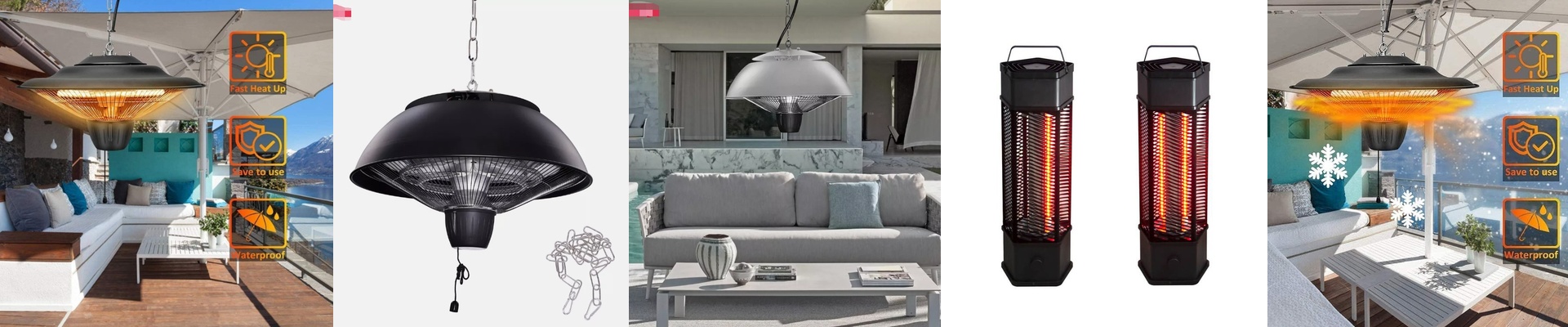
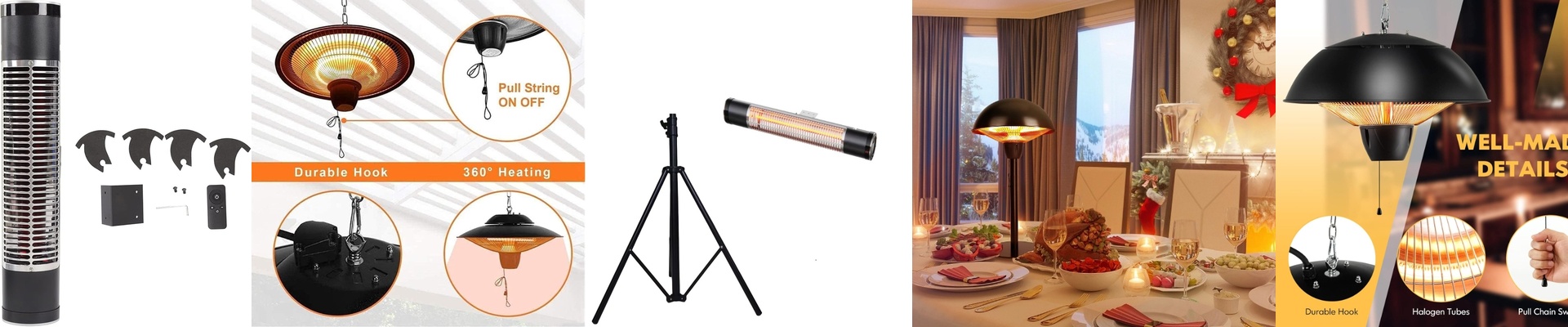
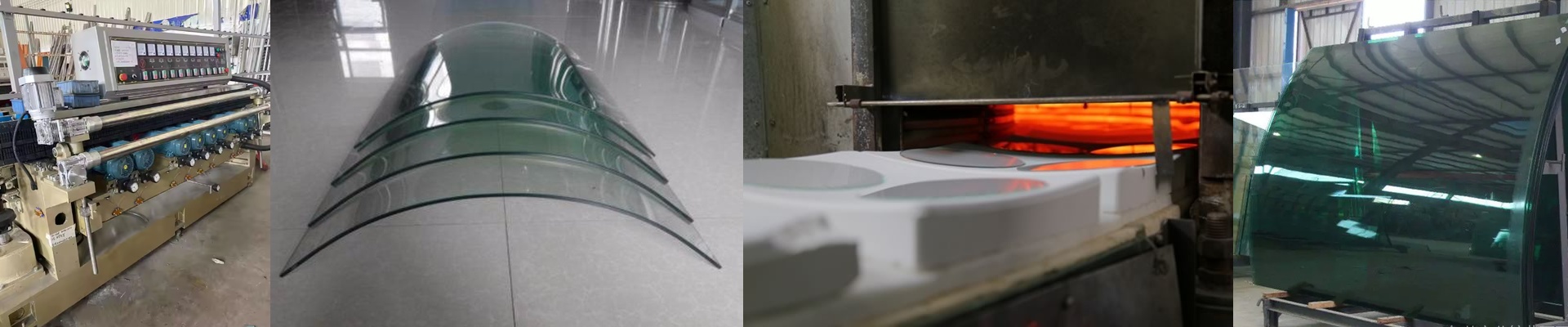
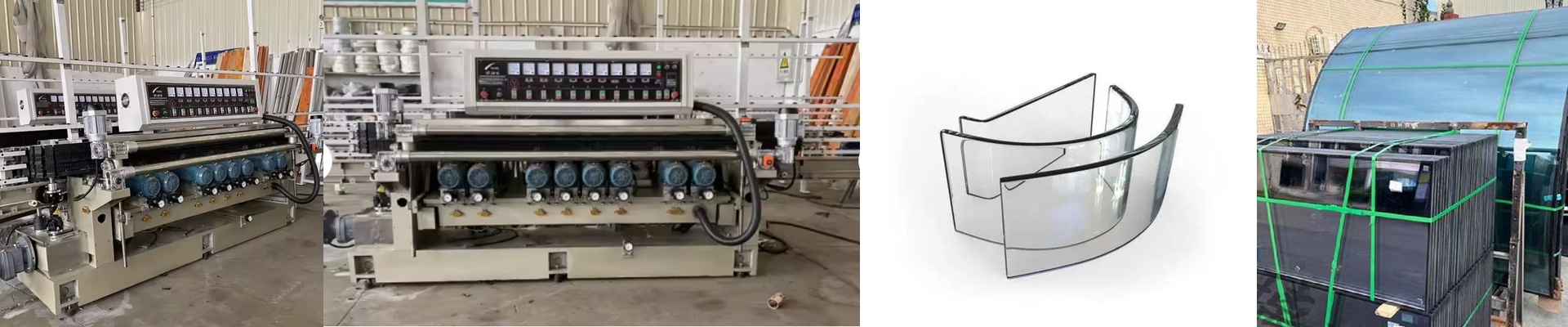
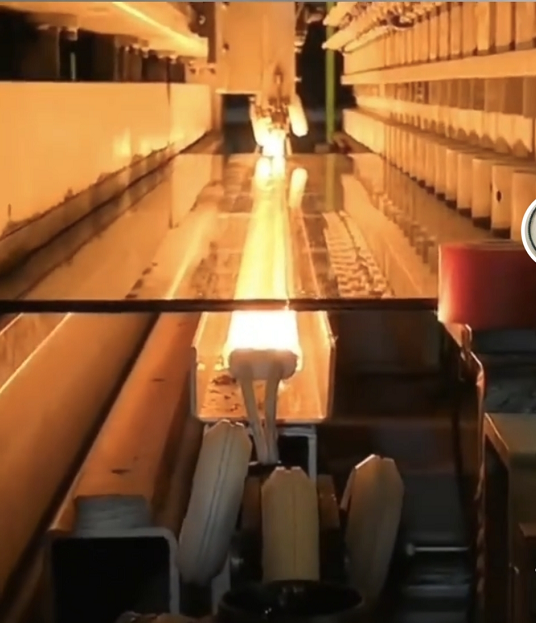
Let’s cut to the chase: drying glass paint isn’t just about evaporating water. It’s about doing it fast—without messing up the color. We lean on shortwave infrared (IR) halogen heating lamps for this. And honestly, the physics is on your side. The energy cuts right through the film, heating the water directly. The cycles are short, so the whole thing doesn’t get overheated.
The Power, Voltage, and Geometry—Straight Talk
We build our tubes to pack a lot of heat into a small footprint. With a 400V supply, we can push serious power through a 300mm length without driving the current too high. That keeps stress off the conductors and terminals, while giving you the intensity needed for rapid drying. The wattage is tuned so the lamp hits operating temperature fast—perfect for keeping up with short dwell windows on a conveyor line.
The Materials and Design: Halogen, Quartz, and the R7s Base
Inside a quartz envelope, the halogen element delivers clean, shortwave IR that couples right into thin coatings. Quartz handles thermal shock and keeps output steady, even through repeated on/off cycles. And the R7s connector? It’s a practical pick. It stands up to high temperatures at the ends, gives you solid electrical contact, and drops right into standard fixtures. It’s tough—but it does need thoughtful heat management in the reflector and housing.
What This Means for You on the Line
On the glass paint drying job, shortwave IR heats the water in the film while the glass itself stays cooler than it would with convection. So you dry faster, and you use less total energy, because you’re not spending time heating up the whole oven. You protect the color by keeping peak temperature and exposure time in check, and you keep line speeds where you want them. Here’s the trade-off: this is high-intensity, so your machine has to be built to shed heat from the lamp zone and keep terminal temperatures safe. But when you get the spec right, the payoff is repeatable drying—with tighter control over color and energy use.