High-Gloss Glass Dryer: The Secret to Chip-Free Cuts
We built this dryer around one idea: pre-cut glass needs heat, and it needs it fast. Like, right now fast. Because if you want a clean cut, you have to warm the glass evenly before the cutter even touches it. Otherwise, you’re just asking for fractures from thermal shock and uneven stress.
Power, Voltage, and the Right Footprint
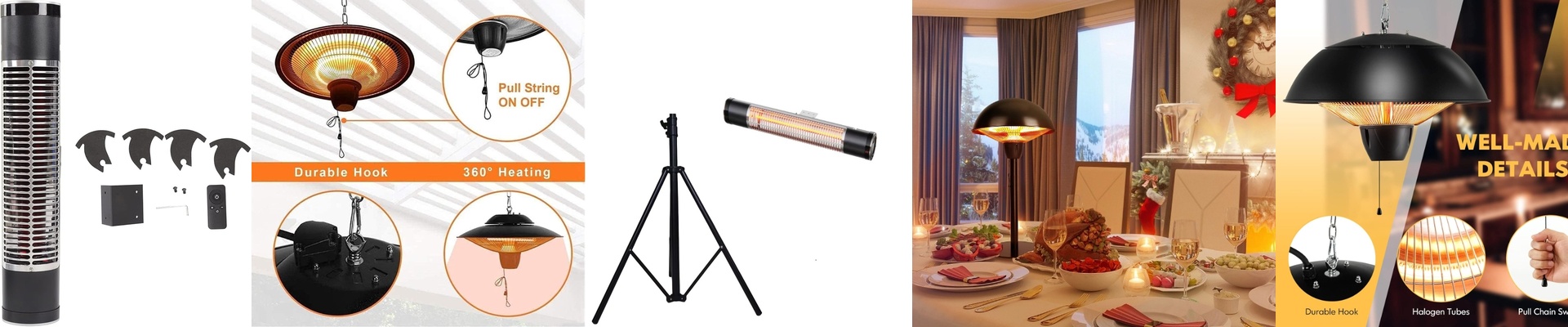
Here’s the heart of it: a 400V system driving a 2500W halogen tube packed into a 300mm length. That size isn’t random. A tight 300mm footprint gives you a focused heating zone that lines up perfectly with the scoring line. So you’re not wasting energy warming the whole pane—just the spot that matters. And that 2500W punch? It delivers the heat density you need to get the surface temperature up in seconds, keeping pace with the cutting head. This is high voltage, high intensity. It responds instantly, which is great. But it also means your machine’s cooling and wiring have to be up to the job. If the enclosure can’t shed that heat, you’ll start to cook the components around it.
The Halogen Setup: Quartz Tube, R7s Connection
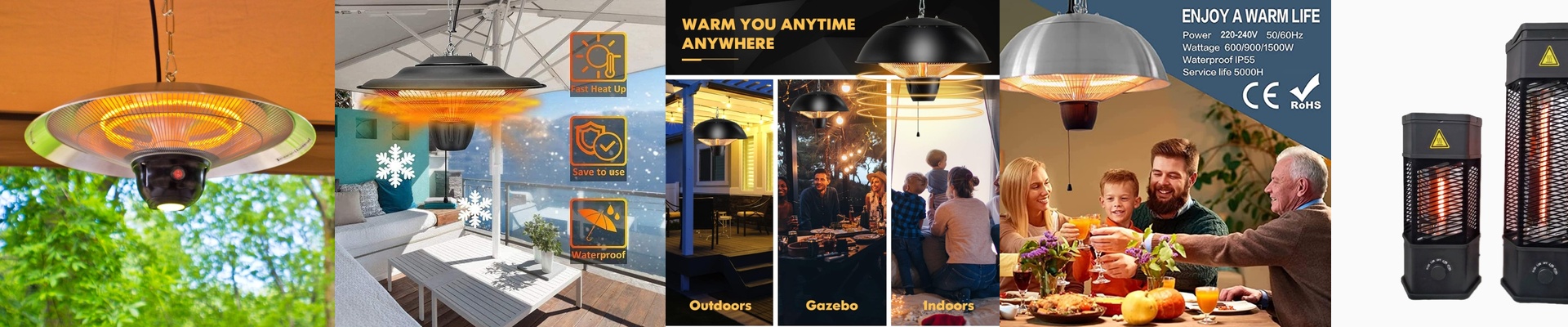
The halogen element sits inside a quartz tube, and that’s intentional. Quartz can handle the rapid on/off cycling without cracking under the stress. The shortwave infrared output doesn’t just warm the surface—it penetrates efficiently and heats the glass more evenly than convection. That smooths out the steep temperature swings that cause edge stress. For the connections, we went with an R7s base. It’s practical, solid, and handles the current cleanly. That means the lamp is a simple drop-in replacement in existing fixtures. Inside, the wiring is matched to the load, so when you wire it up and align the reflector, the heat lands exactly where you need it: right on the cut line.
Real-World Result: Fewer Chips, Cleaner Edges
Chipping happens when the score line can’t travel cleanly and the glass fails along a jagged edge. Preheating with infrared softens those tiny surface fractures and makes stress distribution along the score more consistent. So the process becomes: preheat the cutting zone, then score. The heat reduces that brittle, shatter-ready behavior at the edge, and you see fewer chips. And because the lamp is concentrated, you can keep up with line speed without overheating the surrounding glass. That preserves optical clarity and keeps that high-gloss finish looking flawless. There is a trade-off, though. The heat is intense and focused, so you need to control dwell time and spot distance carefully. Too long, and you risk distorting the surface. Too short, and chipping creeps back in. Match the lamp to the cutter, and the edge quality takes a noticeable step up.