Why Fast-Response IR Heating Keeps Your Glass Line Moving
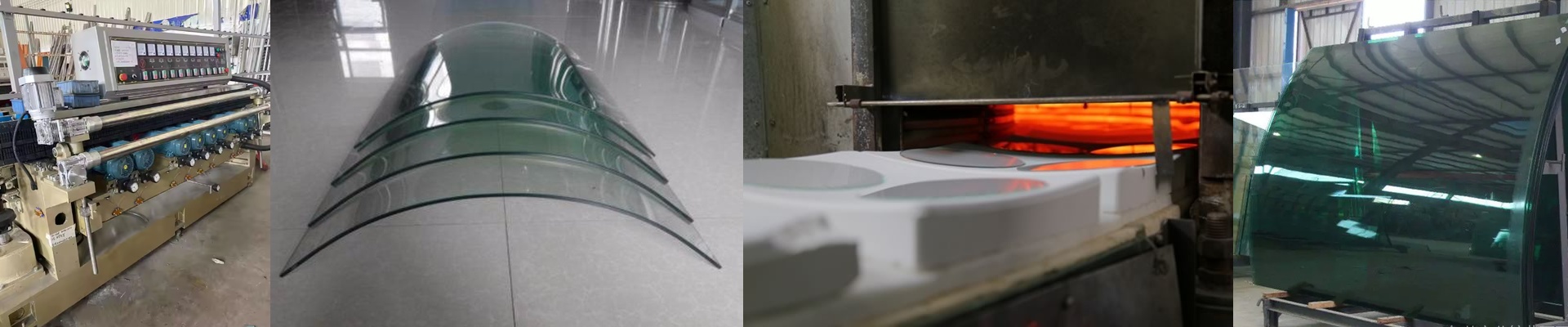
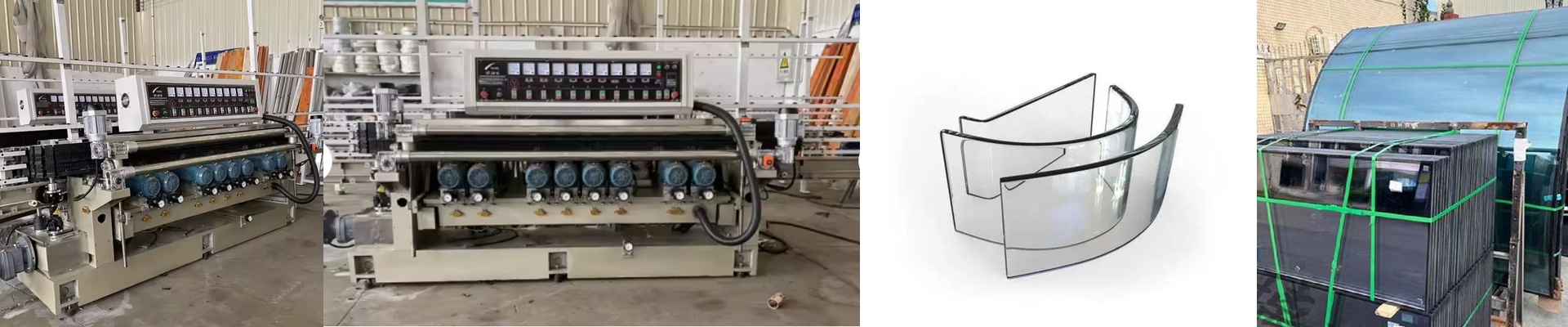
Cutting thick glass is a balancing act. If you don’t manage the heat just right, you’re looking at stress fractures and chipped edges. It’s a headache nobody wants. That’s why we use shortwave infrared (IR) lamps for online annealing. Unlike a space heater that just warms up the air in the room, these lamps shoot heat directly into the glass. It’s the only way to keep a production line moving without everything grinding to a halt.
The need for speed
Standard resistive heaters are just too slow. They take forever to get up to temp. But when you’ve got a conveyor belt running, you can’t just sit around waiting for an oven to warm up. Shortwave IR lamps hit full power in seconds. It’s almost instant. We pack a lot of power into a small space so you can heat the cutting zone fast. This relaxes the internal tension of the glass right before the diamond wheel hits the surface. It makes the whole process feel smoother. Less fighting with the material, more cutting.
Getting it installed
We built these systems to slide right into your existing cutting frames. No need to tear everything apart. The lamps use quartz envelopes. We do this because they can handle the extreme heat and, more importantly, they don’t block the IR spectrum. You want that heat hitting the glass, not getting trapped in the bulb. Usually, we wire these into high-voltage circuits. It keeps the current draw under control while still giving you the raw wattage you need for those thick plates.
The trade-offs (The “Gotchas”)
Look, high-density IR heating isn’t some magic “set it and forget it” button. When you’re pumping out that much heat, your housing and reflectors have to be up to the task. If you skimp on the cooling fans or the heat sinks, you’re going to melt your sockets or warp your brackets. It’s a mess to fix. There’s also the distance to consider. If the lamp is too close, you’ll get hot spots. Too far, and you lose all that efficiency. But once you find that sweet spot? You can stop the “stop-and-go” production cycle for good. Your line just flows.