
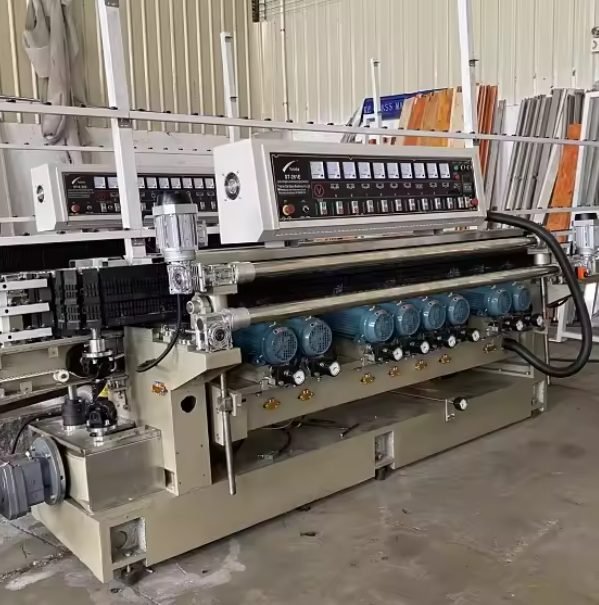
Stop Fighting Your Glass: A Better Way to Handle Thick Cuts
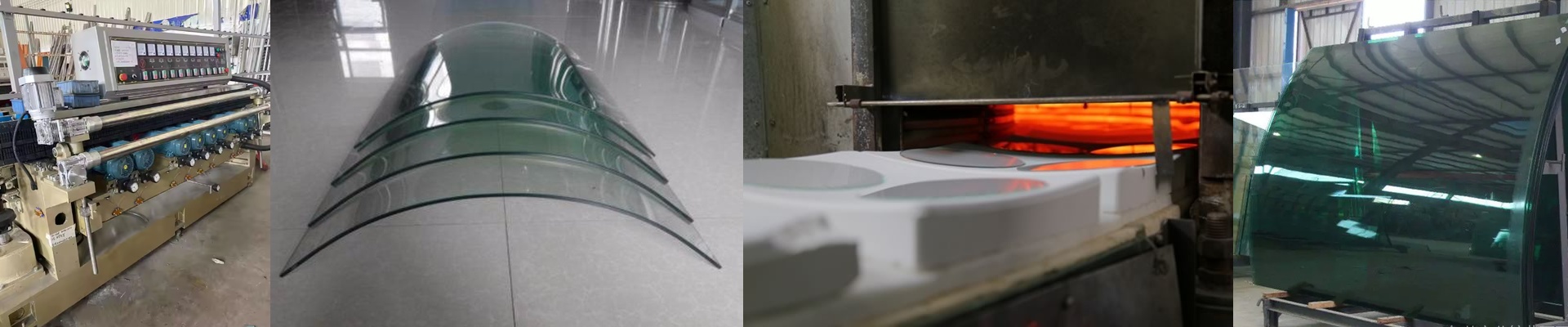
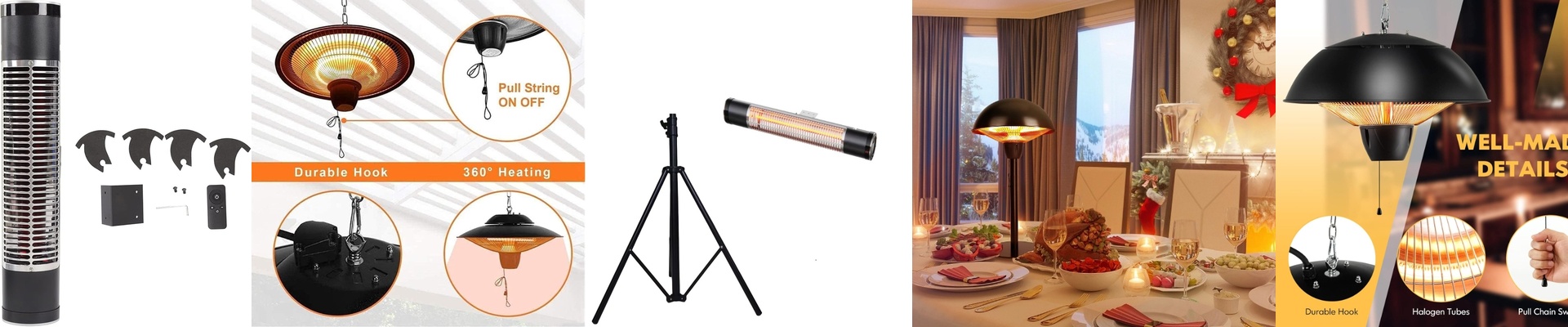
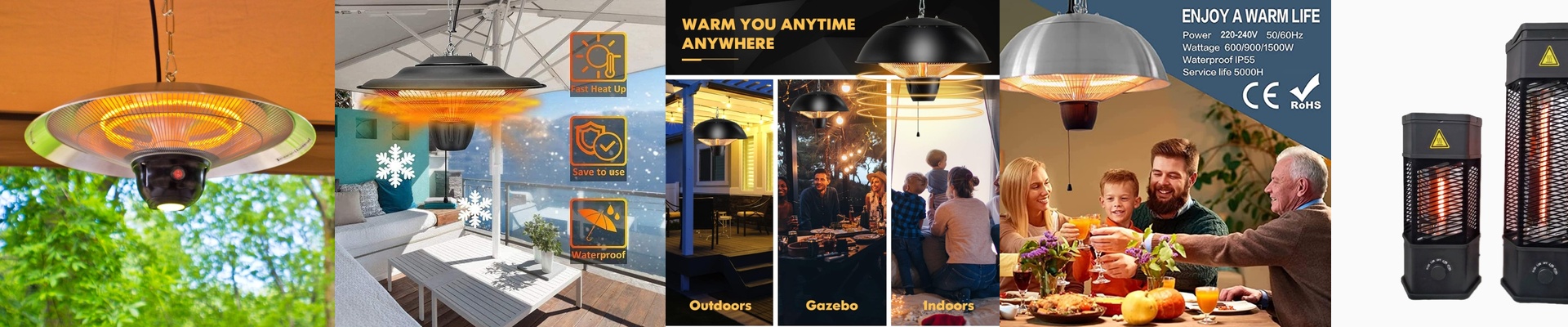
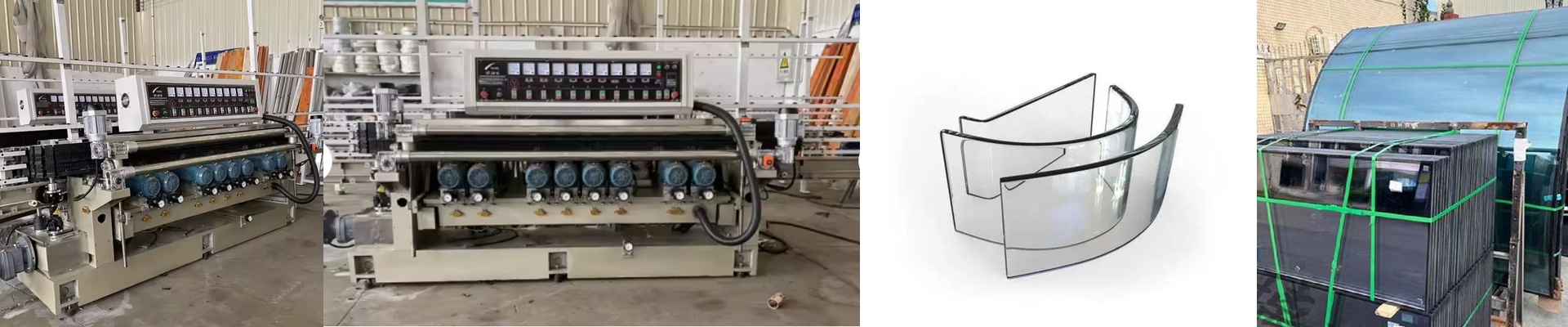
If you’ve ever tried to cut ultra-thick glass, you know it’s basically a war. You’re fighting the material every inch of the way. When you go in cold, your cutting wheel takes a massive beating. It wears out way too fast, and you end up with those annoying, jagged edges that ruin a perfectly good slab. We found a way around this. Instead of just forcing the blade through, we put high-penetration quartz infrared lamps right into the cutting head to warm up the score line first. Why this actually works Here’s the thing: most heat lamps just bounce off the surface of thick glass. They heat the “skin,” but the inside stays cold and rigid. We use shortwave infrared (SWIR) emitters. These have a specific wavelength that actually sinks deep into the glass. Instead of a surface burn, you’re pushing energy right into the path where the cut happens. It relaxes the internal stress of the glass and softens that molecular structure just enough. Suddenly, the diamond wheel isn’t fighting a wall—it’s gliding. The gear (and the headaches to watch for) We use high-purity quartz tubes because they can handle being blasted with heat and then cooled down over and over without cracking. We also crank up the wattage density. Why? Because you need that heat to hit the glass immediately before the head moves past the mark. Speed is everything here. But a heads-up: this much power puts a real strain on your electrical setup. If you’re chaining multiple lamps together, make sure your power supplies can handle the initial surge of current when they kick on. Also, watch your spacing. If the lamp is sitting too close to the tool holder, you’ll end up warping your mounting brackets. Not a great look. The payoff When the glass is softened, the wheel glides. It doesn’t grind. You’ll notice way fewer chip-outs and your consumables will last significantly longer. It’s the difference between hacking through a material and actually guiding a tool through it. You get a cleaner break, fewer rejected pieces, and a lot less stress on your equipment.