Getting the Heat Right in Glass Annealing
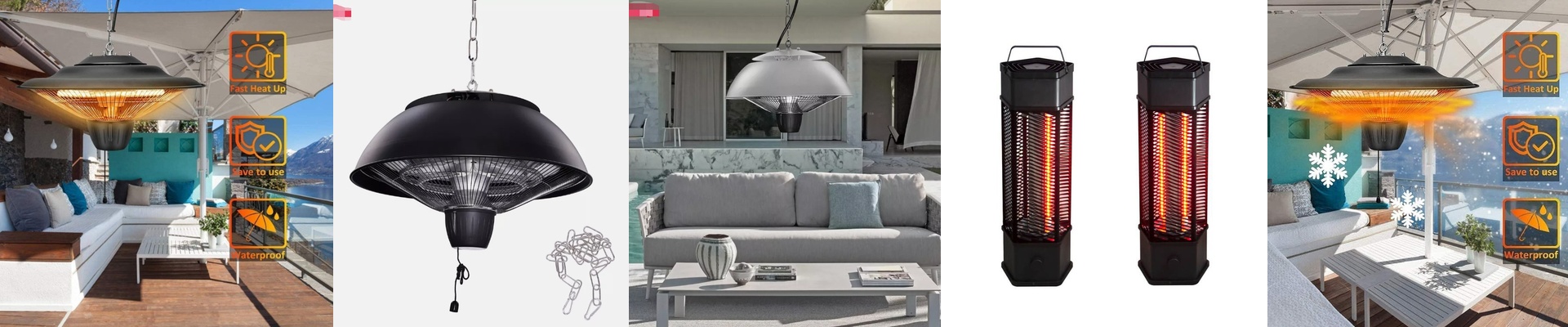
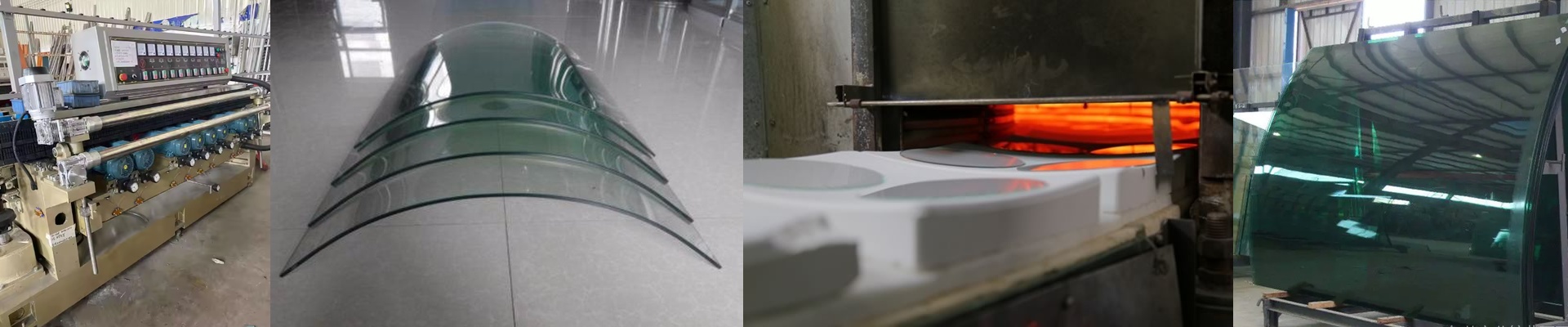
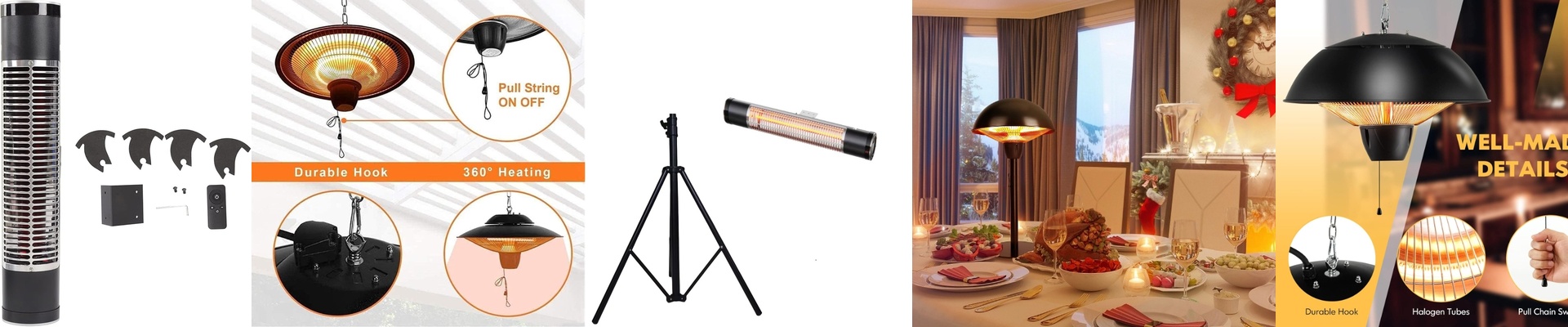
If you’re doing R&D for glass jewelry, you know that just hitting a specific temperature isn’t enough. It’s about how that heat actually hits the glass. Most off-the-shelf lamps are a gamble. They often have these annoying hot spots or uneven stretches of heat that can snap a fragile piece of glass in an instant. It’s frustrating. That’s why we focus on customizing the power density—basically, we make sure the heat goes exactly where it needs to so your work doesn’t end up in shards. The trick is in the power density. When we talk about “parameter freedom,” we’re really just saying you get to decide how many watts go into every millimeter of the tube. A perfectly even heat output sounds good on paper, but it’s rarely what you actually need. For complex jewelry shapes, you might need a blast of intensity in the center and a gentle fade-out toward the ends. We handle that by tweaking the filament winding and the quartz thickness. It keeps the glass from shocking and makes sure the annealing point is hit every single time. Gear that can actually take a beating. We use high-purity quartz. Why? Because in an R&D environment, you’re cycling power up and down constantly. You need a lamp that won’t just burn out the moment things get intense. Plus, we offer a bunch of different connector options. We want these to be a simple drop-in replacement for whatever rig you’re already using. No need to rebuild your whole setup. The trade-offs you should know about. Here’s the thing: high power density is great for fast ramp-up times. It speeds up your testing, which saves you a ton of time. But there’s a catch. Pushing more watts into a smaller space puts a lot of stress on your lamp holders. If you go for a high-density setup, just make sure your housing and cooling airflow can handle the extra heat. If not, you might end up melting your sockets or killing the life of the lamp. Basically, we give you the technical flexibility to match the specific thermal expansion of your material. You show us the heat map you need, and we’ll build the lamp to match it.