Fitting Heat Where it Actually Belongs: Dealing with Tight Glass Furnaces
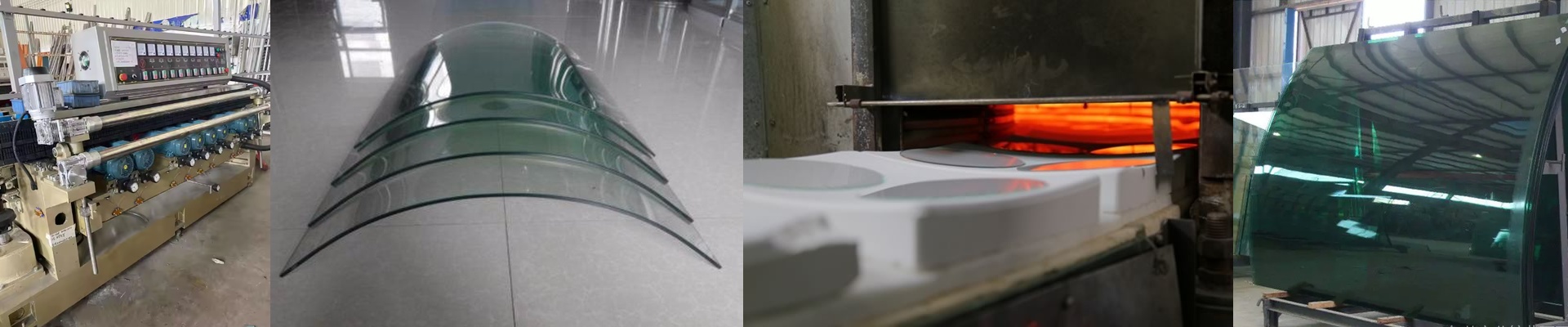
Let’s be honest: non-standard bending furnaces are usually a nightmare to organize. You’re often fighting for every inch of space. When you try to cram off-the-shelf heating elements into a chassis that wasn’t built for them, you end up with those annoying cold spots or heat that just isn’t hitting the glass evenly. It’s frustrating. You know the glass needs to be perfect, but the hardware is getting in the way. That’s why we just build the lamps to fit your space, rather than making you force your space to fit the lamp.
Getting the Dimensions Right
standard lamp lengths usually force you to make a compromise you shouldn’t have to make. You end up placing your heaters too far back just so they don’t hit something. But when the lamp is the exact length and shape you need, you can move the heat source much closer to the glass.**Closer means better.**You lose less heat to the furnace walls, and the glass gets the energy it actually needs. We work in millimeters here. If you’ve got a structural beam in the way or a curved jig that needs the heat to wrap around it, we just make the lamp fit that gap. No hacking, no rigging—just a clean fit.
Power and Heat (The Trade-off)
We use quartz envelopes and halogen filaments to push out short-wave infrared radiation. The great thing about this wavelength is how fast it sinks into the glass, which keeps your annealing process nice and uniform. Now, here is the part where you have to be careful. You can pick your wattage and voltage based on what your power supply can handle. But keep in mind: if you cram high wattage into a very short tube, you’re cranking up the power density. The lamp is going to run hot.Really hot. Make sure your cooling fans and vents are up to the task. If they aren’t, you’re just asking for your sockets to burn out.
Making it Work in Your Shop
We don’t want you spending your weekend soldering wires. We offer a few different termination options—like R7s or Sk15 connectors—so these are basically drop-in replacements. You plug them in, and you’re back in business. And because we can shape these lamps, you can actually aim the heat. Instead of heating the whole slab, you can concentrate the energy right on the bend radius while keeping the edges cooler. It’s a much safer way to work; you’ll see a lot less warping and far fewer thermal shock cracks.