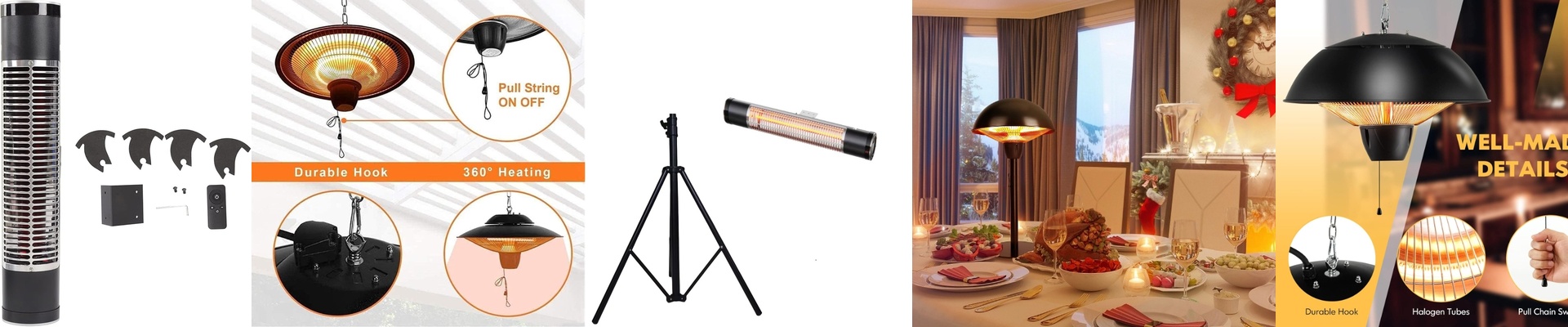
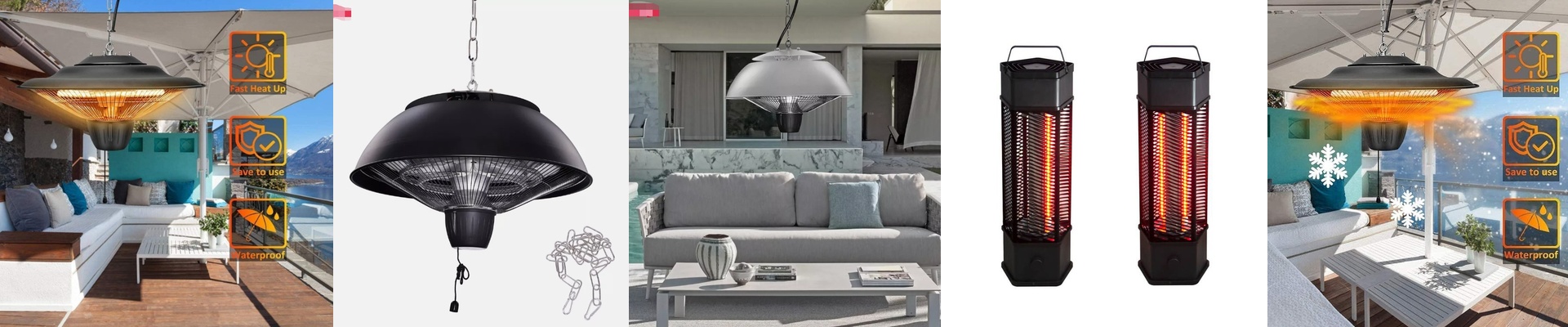
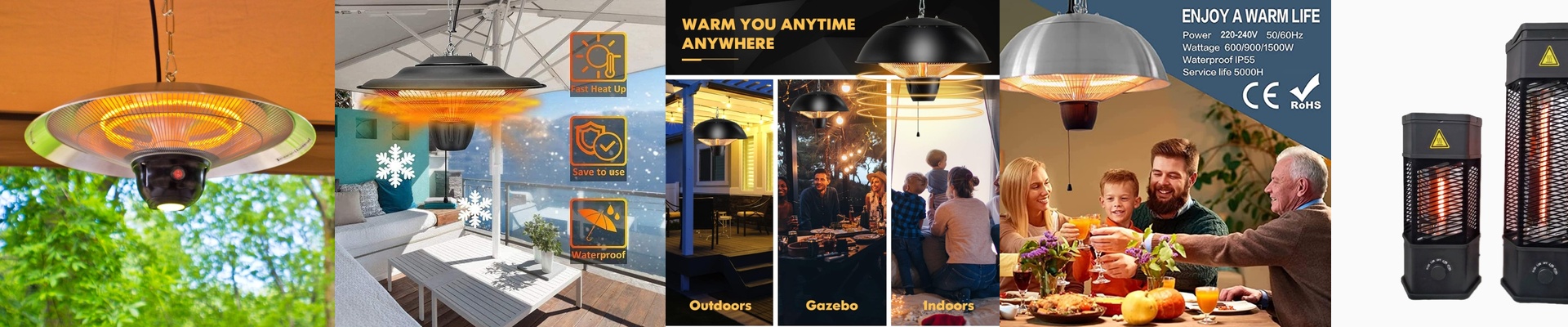
Getting Your Bathroom Heater Just Right
When you’re picking out an IP65 infrared heater, your first instinct might be to just grab the most powerful one on the shelf. Don’t do that. It’s really more about the size of your room. If you go too big, you’re just throwing money away on your electric bill—or worse, you’ll keep tripping your breakers. But if you go too small? You’re still shivering in your towel.
Finding the Sweet Spot
Think about your space. If you’ve got a tiny powder room (under 4m²), a 400W to 600W shortwave lamp is plenty. The best part about these is that they don’t waste time trying to warm up the air; they just hit you with that instant, cozy warmth. For those medium-sized bathrooms (between 4m² and 8m²), you’ll want something in the 800W to 1200W range. Now, if you have a massive master bath over 10m², you could go with a 1500W unit, but here’s a pro tip: radiant heat travels in a straight line. If you put one giant heater in a corner, you’ll have “cold spots” across the room. You’re much better off splitting the load between two smaller units. It keeps the warmth even.
The Deal with IP65 and Heat
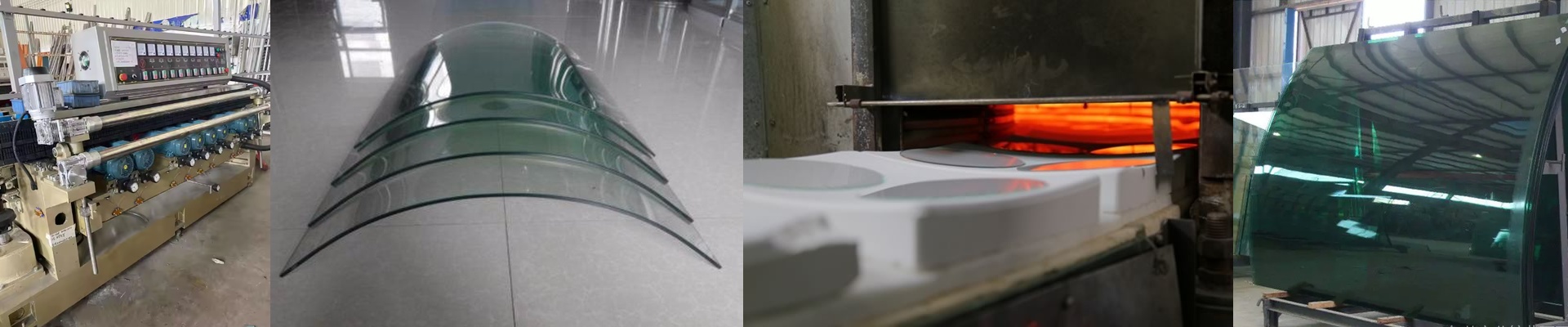
Since we’re talking about bathrooms, waterproofing is a huge deal. An IP65 rating basically means the unit is sealed tight against dust and can handle a spray of water without any drama. We use tempered glass and heavy-duty gaskets to make sure moisture stays far away from the electrics. But there’s a catch. Because the unit is so tightly sealed to keep water out, it can trap heat inside the housing. If you cram a 2000W lamp into a tiny, sealed box with no room to breathe, the internal wiring is going to bake. Over time, that’s how you fry your electronics. Just make sure your fixture has enough surface area to let that internal heat escape.
A Few Tips to Save Cash
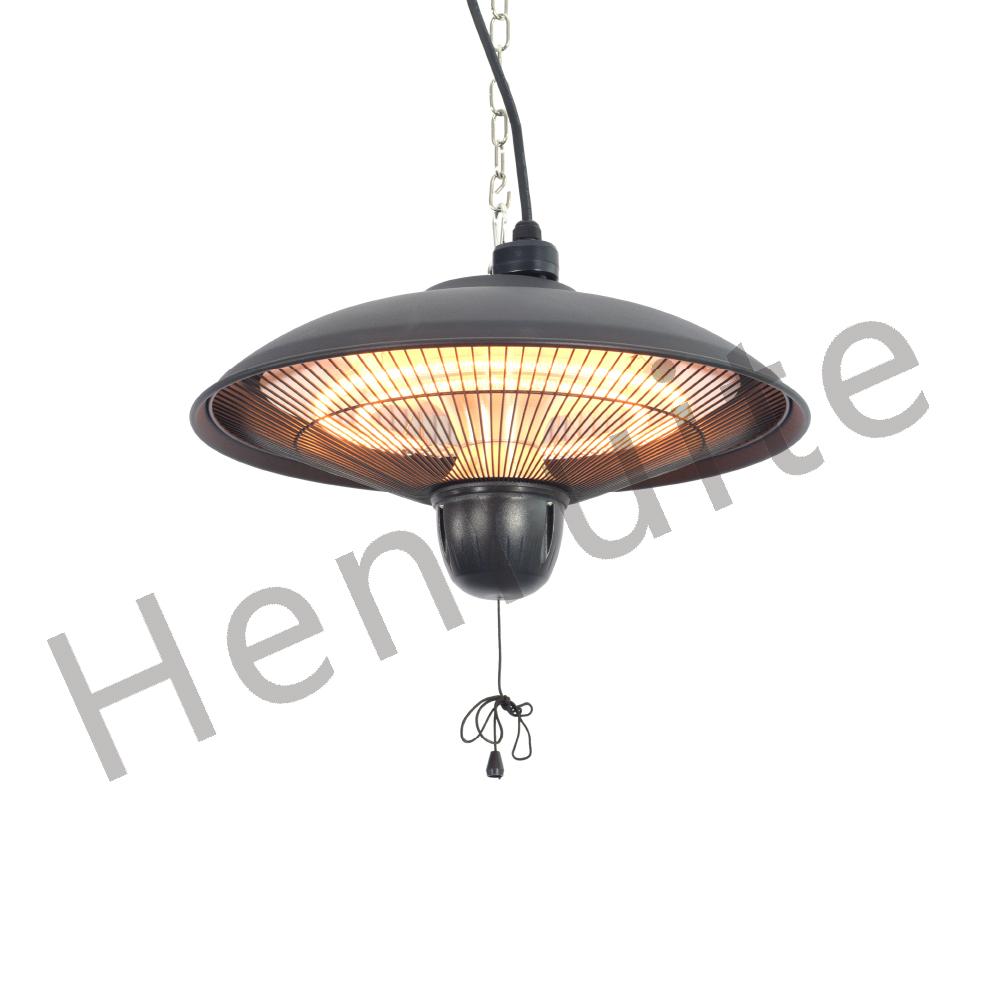
If you want the most bang for your buck, mount the lamps on the ceiling facing down. Shortwave IR goes straight through to your skin, so there’s no point in wasting energy heating up your walls. And please, do yourself a favor: wire them into a dedicated circuit with a timer or a motion sensor. That way, the heater isn’t running for an hour after you’ve already left the room. Your wallet will thank you.