

Getting the Heat Right in Your Bathroom
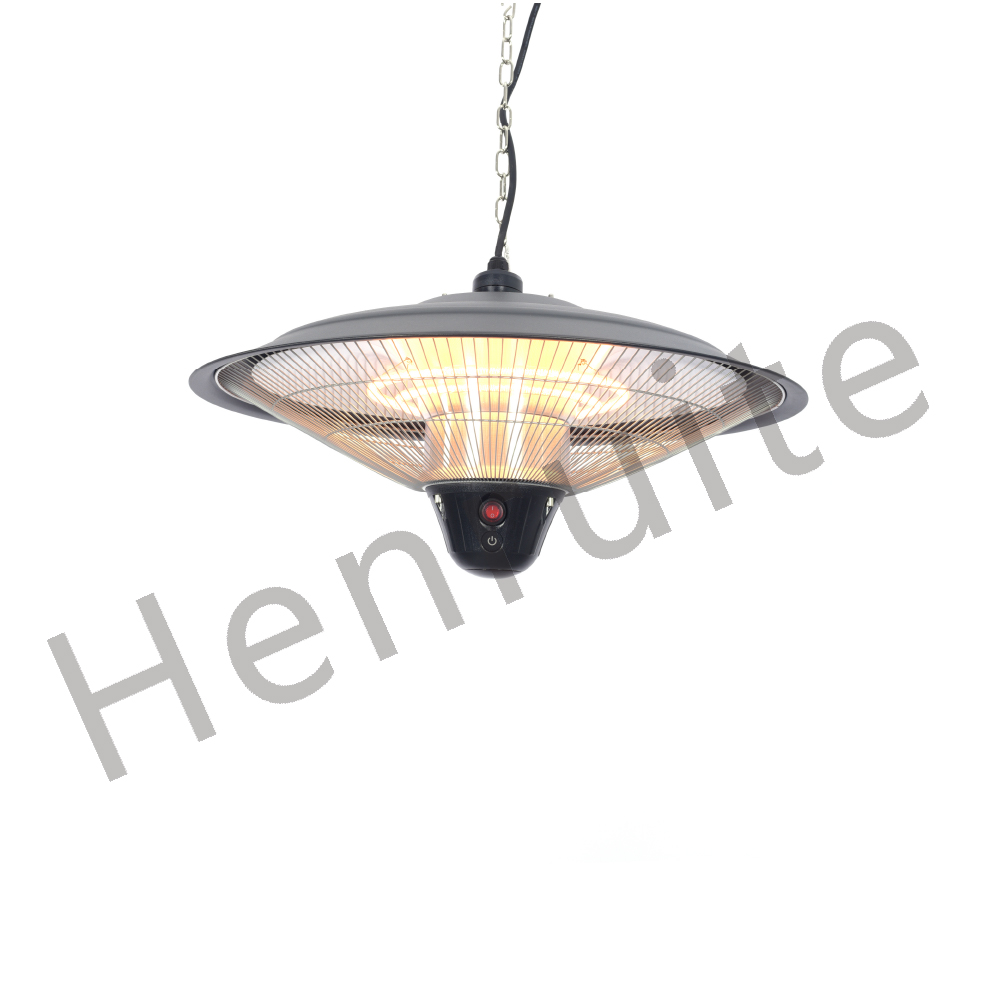
When you’re putting a heater in a bathroom or any “wet zone,” it’s all about balance. You want it warm enough to feel cozy, but you don’t want to blow a fuse or turn your bathroom into a sauna. Since we’re dealing with water, we use IP66-rated lamps. Basically, that just means they’re sealed tight so water can’t get in and fry the electronics.
Picking the Right Power
You can’t just grab any heater and hope for the best. The size of your room matters. If you’ve got a tiny powder room (under 4m²), stick with something small, like 400W to 600W. If you go bigger, you’ll overheat the room in seconds. The thermostat will keep clicking on and off constantly, which just wears out the hardware faster. For those medium-sized bathrooms (5-10m²), 800W to 1200W is usually the sweet spot. But if you’re dealing with a massive master bath or an open-concept wet room? You’ll need 1500W or more. In those big spaces, it’s often better to use a few smaller heaters in different spots so you don’t end up with “cold zones” where you’re still shivering.
The Trade-off with Waterproofing
Here is the thing about that IP66 rating. To keep the water out, we use heavy-duty gaskets and sealed cable glands. It works great for safety, but it means the fixture can’t “breathe.” Because the heat is trapped inside the housing, the internal parts run a bit hotter than they would in a standard heater. Just make sure your wiring can handle that extra heat rise. It’s a small detail, but it’s a big deal for safety.
Real-World Installation
Do yourself a favor: put this on its own dedicated circuit. Infrared lamps pull a lot of power the second you flip the switch. If you crowd too many 1200W lamps onto one line, you’re going to trip the breaker. A good rule of thumb? Calculate your total load at 125% of the rated wattage. That gives you a little breathing room for those initial power spikes. And keep an eye on things. If the lamp starts flickering or the housing looks like it’s discoloring, stop. That’s a sign the wattage is too high for the fixture to handle the heat.