Stop Letting Your Heaters Burn Out
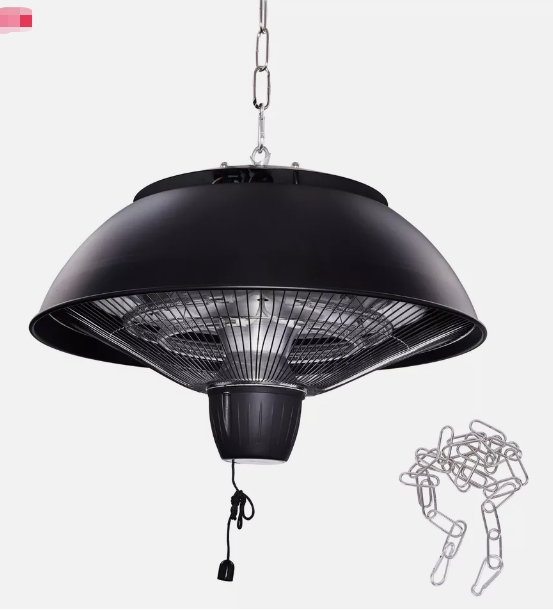
Ever notice how standard infrared heaters seem to give up the ghost the moment they hit a damp environment? It’s a nightmare. You put them in a spot with a bit of mist or a few splashes, and suddenly, moisture sneaks inside. It shorts out the wiring or rusts the internals, and just like that, you’re buying a replacement. We got tired of seeing that happen, so we built our table heaters with IP55 protection. What does that actually mean for you? Basically, it means the unit can handle dust and low-pressure water jets coming from any angle without breaking a sweat. We used sealed gaskets and a reinforced housing to make sure water stays far away from the electrical terminals. Here’s the real win: it stops “creepage.” That’s just a fancy way of saying it prevents moisture from creating a little electric bridge across the insulators, which is usually what kills these machines in one big pop. Dealing with the fog If you’ve worked in a humid shop, you know the struggle. When a high-wattage heater clicks on and off, you get those tiny water beads on the quartz tube. If those droplets just sit there, they cause “thermal shock.” The glass gets uneven heat, and then—crack. Our chassis is designed to push that runoff away from the heating element. We also used materials that don’t fog up. This keeps the heat path clear, so you actually get the warmth you’re paying for. The honest trade-off Look, nothing is perfect. Because the IP55 housing is sealed tight to keep the water out, it also traps more heat inside the box than an open-frame model would. So, just a heads-up: make sure your mounting bracket allows for some airflow. As long as your room isn’t already a sauna, the internal wiring will be just fine. Just wire it into a properly grounded circuit and you’re set. It’s a great fit for food processing plants or chemical wash-down areas—basically anywhere where you just need the thing to work and not die every few months.