Making Your Outdoor Heaters Actually Smart
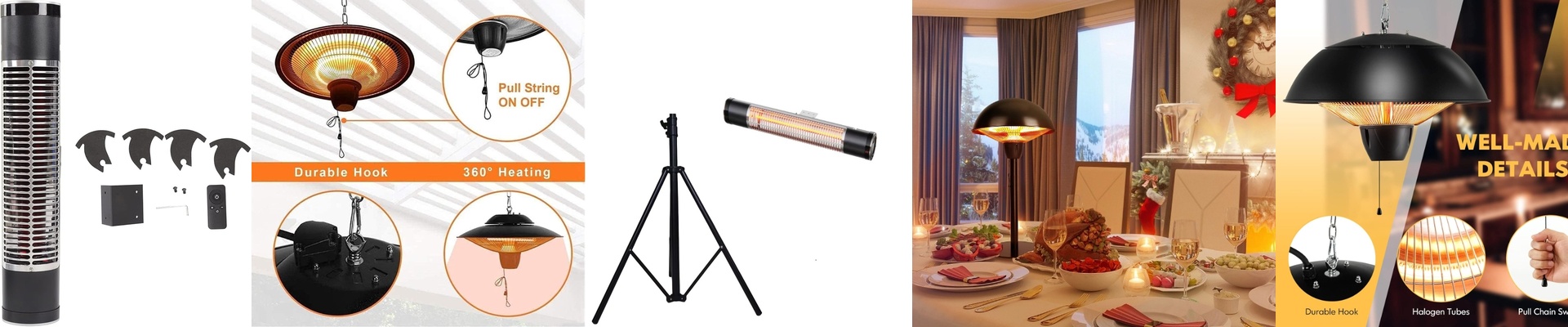
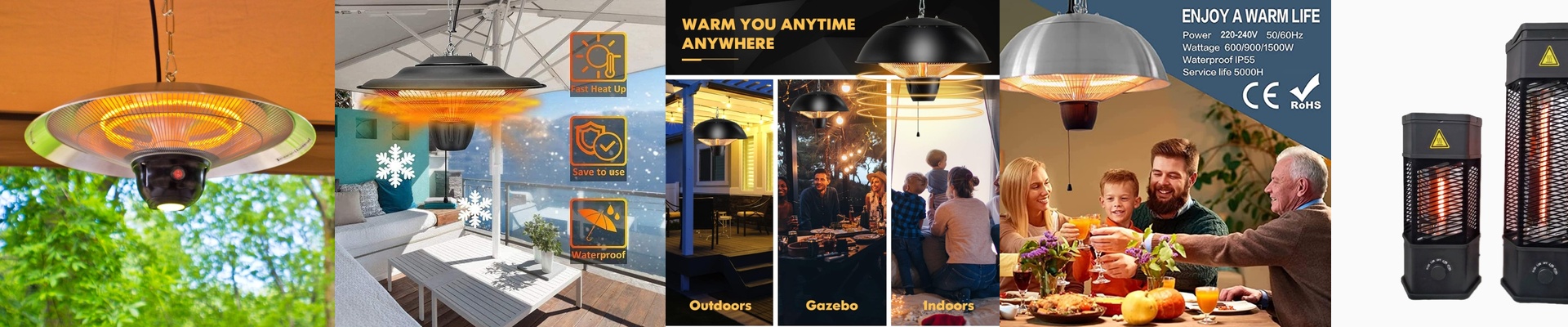
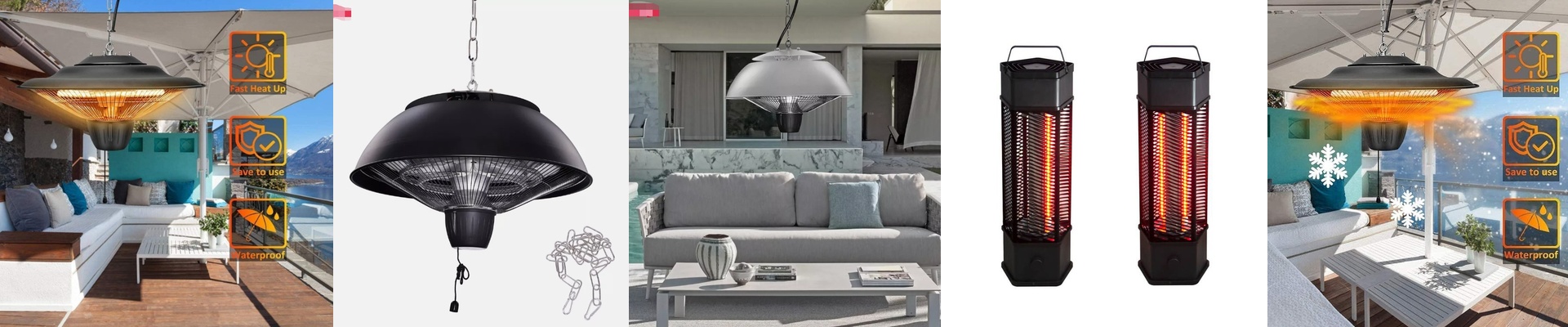
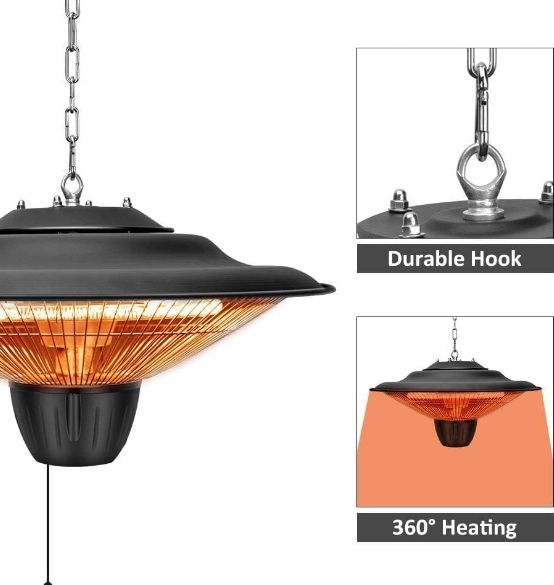
Ever notice how some patio heaters take forever to actually make you feel warm? That’s because most of them try to heat the air around you. But infrared is different. It doesn’t care about the air; it just beams heat straight to your skin. It feels like standing in the sun on a crisp October morning. Now, imagine not having to get up from your lounge chair to flick a switch. When you hook these things up to a smart home system, you stop messing with dials and start letting your house do the thinking for you. The magic of instant heat Since these use quartz elements, there’s no waiting for a fan to kick in or air to circulate. It’s just on. If you wire them into a Zigbee or Matter controller, you can set up a “scene.” For example, the second a sensor notices the patio temperature dipping, the heaters kick in. You don’t even notice the chill hitting; you just stay warm. It’s a total shift in how you use your outdoor space. Keeping things dry (and safe) Since these live outside, rain happens. You’ll want to look for IPX4 or IP65 ratings—basically, that’s just a fancy way of saying the guts of the heater are sealed tight against moisture. The “smart” part usually happens at the plug or the breaker. But here is a pro tip: check your wattage. A 2000W heater pulls a lot of juice. If you use a cheap smart plug, it might literally melt. Get a heavy-duty relay that can handle a sustained load without breaking a sweat. The reality check Look, automation is great, but it isn’t perfect. If your Wi-Fi goes haywire or your hub crashes, you’re stuck in the cold. That’s why I always say:**keep a physical switch.**There’s nothing worse than being frozen on your own porch because your router decided to reboot. Also, be careful not to overload your circuits. If you plug five high-powered heaters into one smart circuit, you’re going to trip the breaker. Just make sure your wiring is thick enough to handle the total load. It’s a bit of extra work upfront, but it beats sitting in the dark.