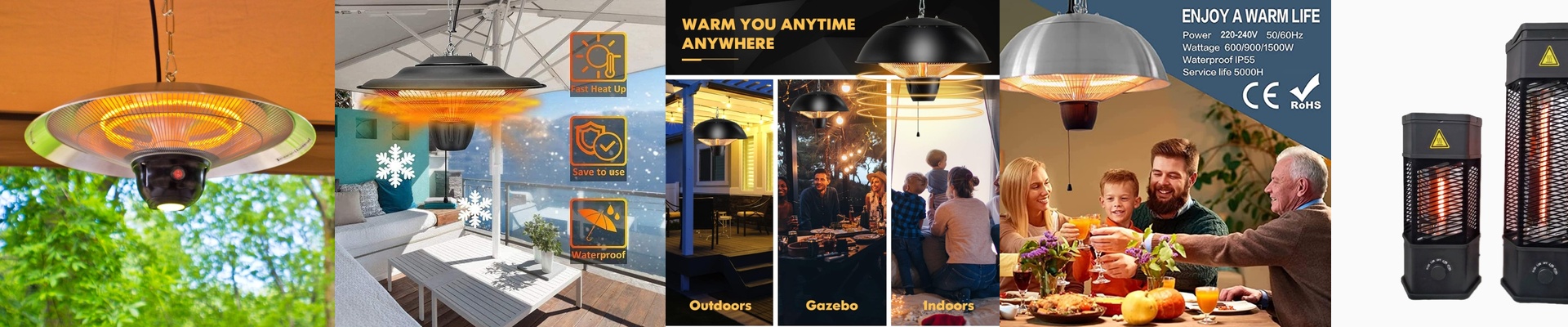
Why Your Outdoor Heater Actually Lasts (Or Why Most Don’t)
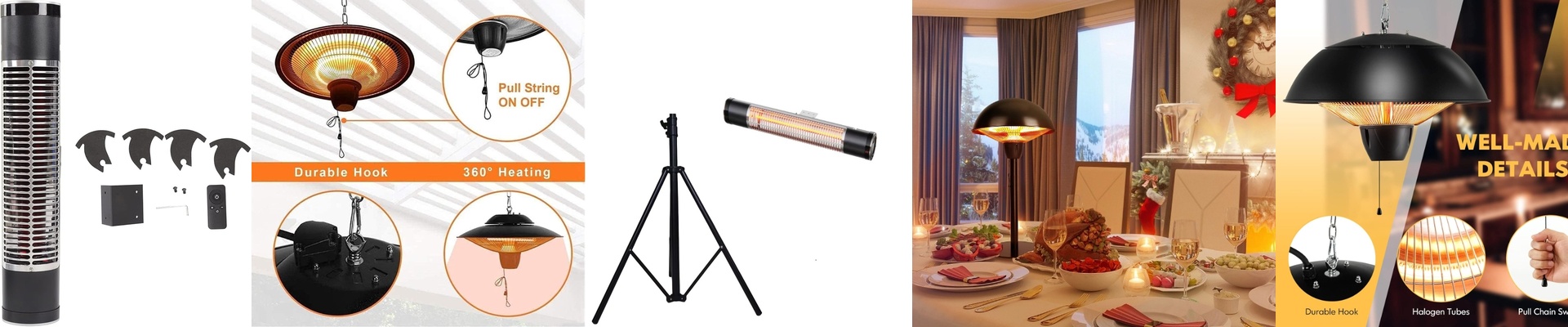
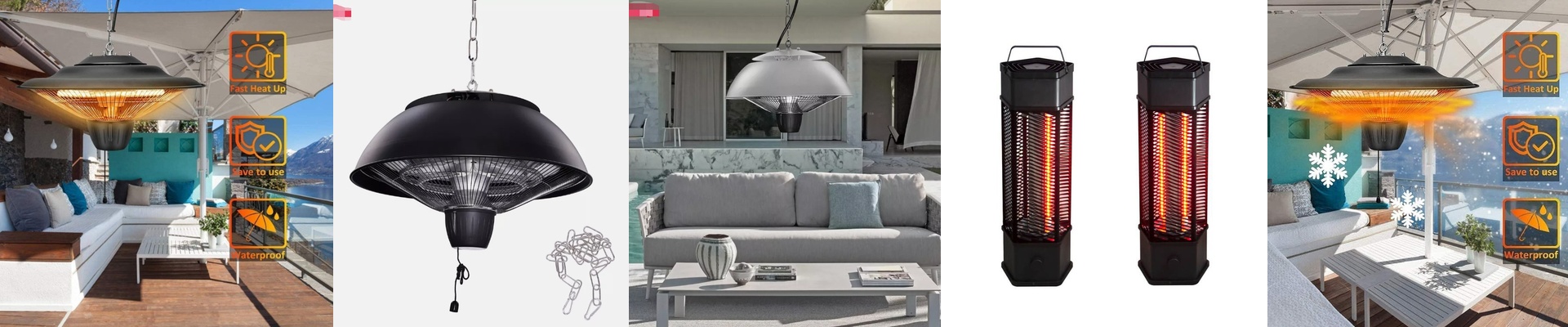
If you’re putting infrared heaters on a patio or in a drafty warehouse, you’ve probably realized that moisture is the enemy. It’s not just about a little rain; it’s about how water quietly kills your equipment from the inside out. That’s why we don’t just build “heaters”—we build things that can actually survive the outdoors.
The Problem with Fog
You might think fogging is just an eyesore, but it’s actually a performance killer. When moisture clings to the quartz tube or the reflector, it creates a wall. That wall blocks the heat from getting to you. Worse, it creates “hot spots.” Water pools in one area, the glass overheats in another, and before you know it, the tube pops. To stop this, we use hydrophobic coatings. Think of it like a non-stick pan for your heater. The water just slides off, the heat stays steady, and your hardware doesn’t burn itself out.
Keeping the Guts Dry
Most heaters don’t die because the heating element fails; they die because water hits the wiring. One bad splash in the wrong spot and you’ve got a short circuit or a rusted terminal. We use high IP-rated housings to seal those sensitive connection points. It keeps the electronics dry and the oxidation away. **One quick tip:**Make sure your mounting bracket is straight. If the unit tilts too far forward, water can sneak past the guards and pool inside the chassis. A simple adjustment during install saves you a huge headache later.
The Honest Trade-off
Here is the truth: adding shields and coatings means you lose a tiny bit of that raw, immediate heat punch you’d get from a completely bare tube. But we think that’s a fair deal. Would you rather have a heater that’s 2% hotter for one season, or a heater that actually works for five years? We’ll take the latter. We build these to take a beating in the real world, not to look pretty in a dry lab.