
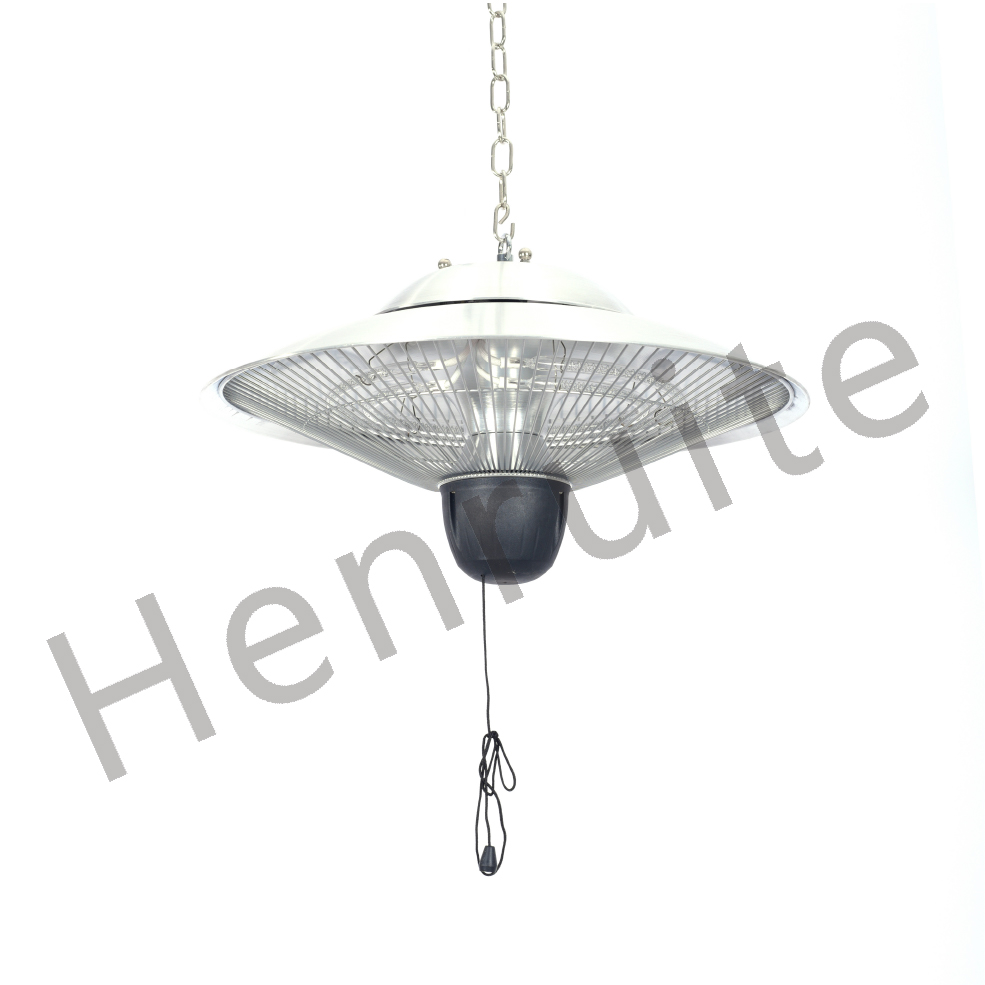
Why we put our bathroom lamps through the “torture chamber”
Let’s be honest: bathrooms are absolute nightmares for heating elements. You’ve got freezing air one minute, a blast of heat the next, and a constant cloud of steam hanging over everything. It’s a brutal environment. We could just put these lamps together and ship them out the door. But we don’t. Instead, we put every single batch through “damp-heat aging tests.” Basically, we try to break them before they ever reach your house.
The problem with a little bit of steam
Here is the thing about infrared lamps. They use a tungsten filament tucked inside a quartz envelope. If there’s even a tiny, microscopic leak in that seal, water vapor finds its way in. Once the lamp heats up, that moisture attacks the filament. It makes the tungsten evaporate way too fast, thinning out the wire until—snap—it’s gone. To stop this, we use aging chambers. We crank up the humidity and cycle the heat to mimic years of steamy showers in just a few days. If a seal is weak, the lamp dies in our lab, not in your ceiling.
Handling the “Thermal Shock”
Going from a cold, damp room to a 1000W+ heat output is a huge shock to the system. The materials expand and contract rapidly, which puts a lot of pressure on the glass and the metal connections. By “aging” the lamps, we force them to go through this stress test over and over. It proves the lamp can take a beating without the glass cracking or the connections shaking loose.
The trade-off
Does this slow us down? Yeah, it does. It adds a few days to our production time. But it’s worth it. A lamp that survives these tests will actually last as long as it’s supposed to, keeping its brightness and heat. The alternative is a mountain of returns and frustrated customers. We’d much rather deal with a delay in the factory than a failure in your bathroom.