Why Your Bathroom Heater Keeps Dying (And How to Fix It)
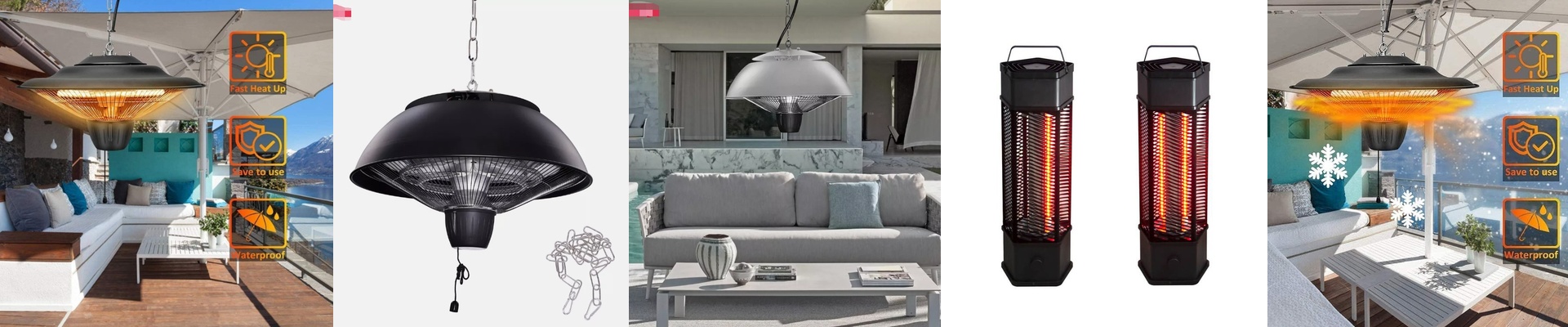
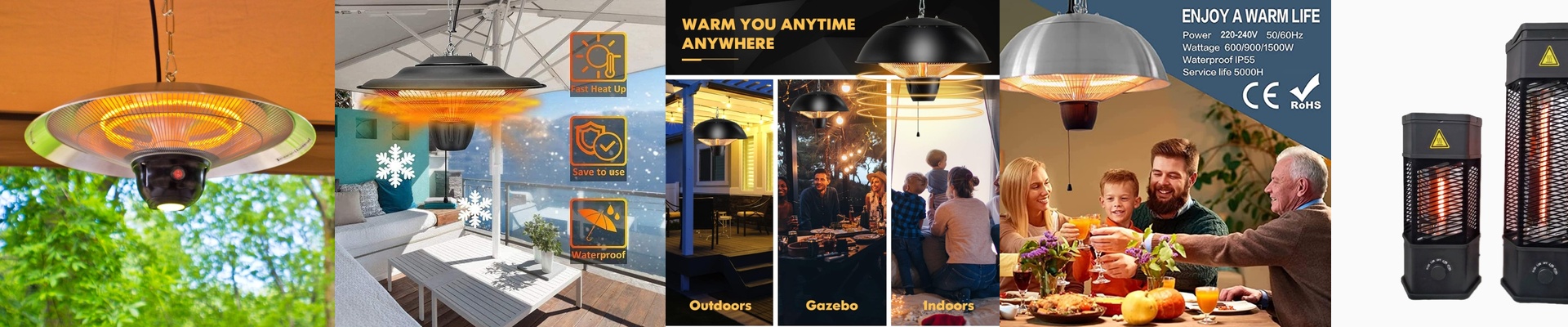
Let’s be honest: most bathroom heaters are a joke. You’ve probably seen those standard halogen lamps that look fine at first, but then the humidity hits. Between the steam and the occasional splash, they short out or the heating elements just rust away. It’s a headache nobody needs. That’s why we’ve been moving toward high-IP rated infrared heaters. They actually play nice with moisture instead of fighting it.
The Magic of Instant Heat
Most heaters try to warm up the air in the room. The problem? Air is lazy. It moves slowly, and in a big bathroom, you’re just waiting around while the heat disappears into the ceiling. Infrared is different. It doesn’t care about the air temperature. It sends heat directly to your skin and the surfaces around you. You flip the switch, andboom—you feel it instantly. No more shivering while you wait for the room to “warm up.”
Dealing with the Damp
Water and electricity are a dangerous mix. To keep things safe near a shower, you can’t just use a regular lamp. We use sealed quartz tubes and housings with a proper IP rating (usually IP44 or higher). Think of it like a raincoat for your heater. We add specialized gaskets and coated reflectors so the steam doesn’t eat through the metal. If you go cheap and skip the IP rating, the humidity will chew through your circuitry in a couple of seasons. It’s just a matter of time.
The Catch (And How to Handle It)
The good news is that these usually drop right into the holes where your old light-style heaters lived. Simple. But here is the thing: infrared lamps are power-hungry. They pull a lot of current. If you try to run three 600W lamps on thin, old wiring, you’re asking for trouble. You might actually overheat the wires in your walls. My advice? Put your heating zones on their own dedicated circuit. It takes a little more effort upfront during installation, but it means your system stays stable and you won’t be staring at a tripped breaker in the middle of a cold morning.