

Stop Your Factory Heaters From Burning Out at the Wires
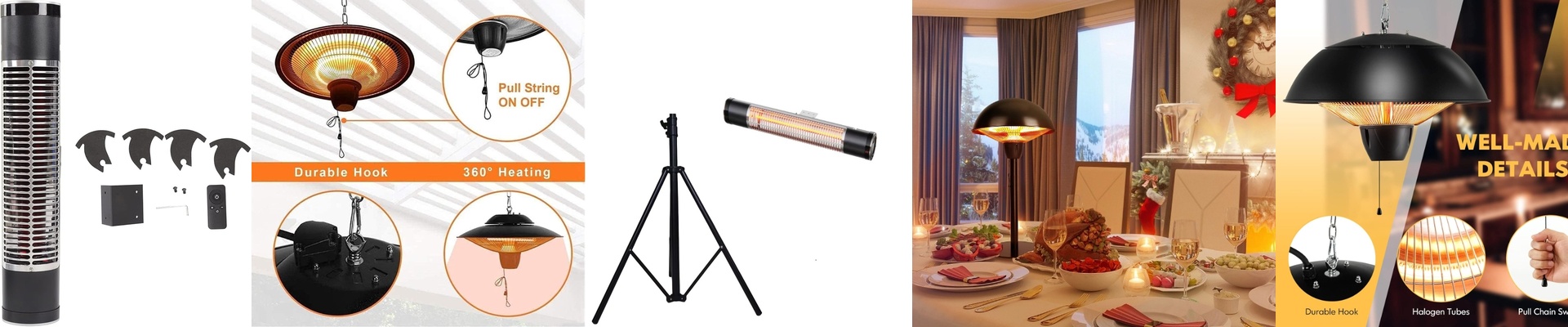
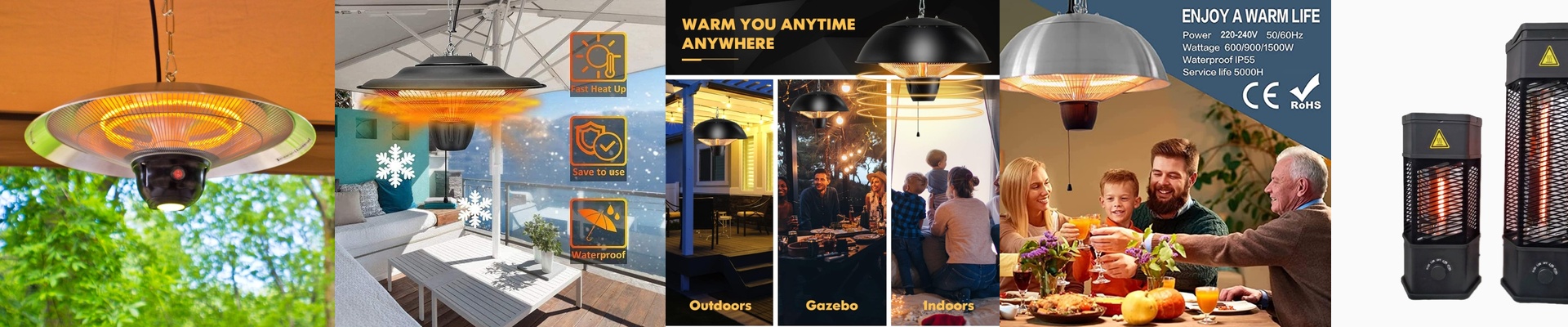
Here is a frustrating truth: most infrared heaters don’t fail because the heating element dies. They fail right at the connection point. When you’ve got these things hanging in a high-ceiling factory, the heat doesn’t just move down toward the floor. It actually radiates back toward the electrical leads. If your sealing isn’t spot on, that insulation basically bakes. It cracks. Then it shorts out. Simple as that.
The “Heat Soak” Problem
Most standard heaters use basic adhesives or a bit of shrink-wrap. That’s fine for a home office, but not for a high-wattage industrial radiator. When that quartz tube hits its peak, the heat starts creeping along the wires. We call it “heat soak.” It turns the polymer insulation brittle. Then, add in the constant vibration of a working factory floor, and those brittle wires start rubbing together. That’s when you get arcs and failures. To stop this, we do things a bit differently. We use a high-temp ceramic sealant and wrap it in fluoropolymer sleeves. It creates a real physical wall that tells the heat, “You can’t go any further.” It keeps the wiring harness safe and cool.
Why the Build Quality Actually Matters
If you look at a spec sheet, a lot of cheap heaters look identical. But the secret is in the seal. We use a vacuum-sealed potting technique. The goal is to leave zero air gaps between the lead wire and the housing. Why? Because air gaps are just little pockets where moisture likes to hang out. That leads to oxidation, and oxidation leads to a dead heater. A tight, vacuum seal keeps the electrical connection totally isolated from the heat zone. It kills that “burn out” effect you see in the budget units.
A Quick Tip on Installation
There is one trade-off: these sealed leads are stiffer. You can’t just bend them into a sharp angle like you would with cheap, unsealed wires. If you force a tight bend during install, you might actually crack the seal. Give the wires some room to breathe. Also, make sure your wiring is rated for the maximum temperature of the housing itself, not just the temperature of the room. It’s a small detail, but it’s the difference between a heater that lasts a few months and one that lasts for years.