

Getting Your Bathroom Heating Right: A No-Nonsense Guide to Infrared
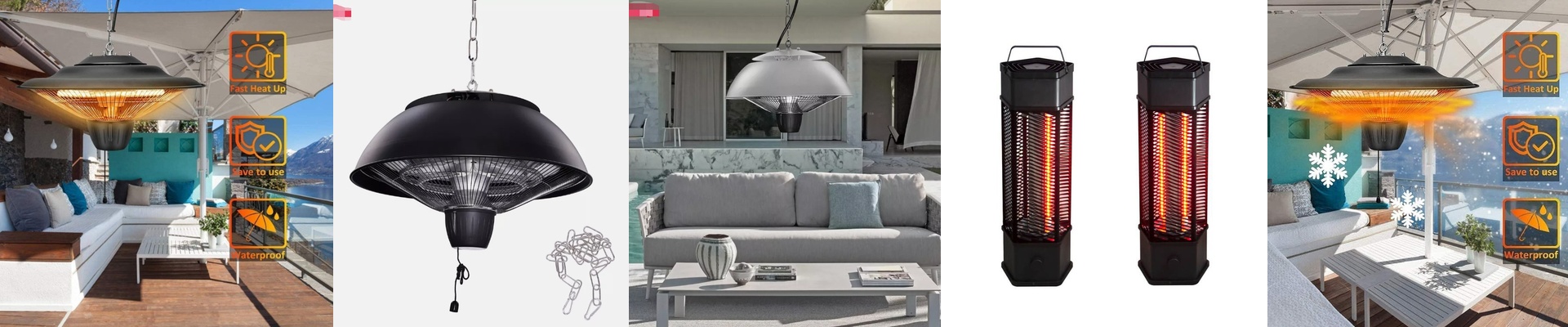
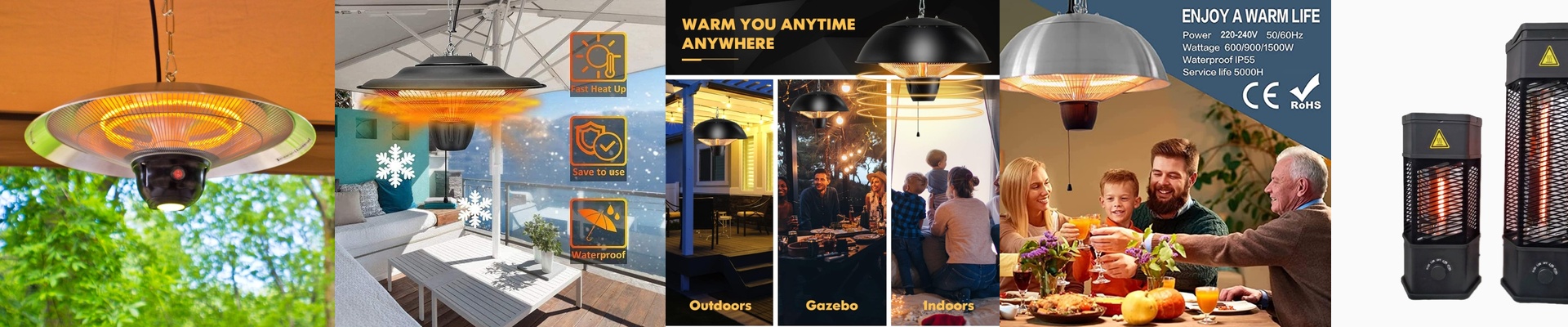
If you’re putting infrared heat in a bathroom, the first thing you’ll see on the box is “IPX4.” All that really means is the unit won’t freak out if it gets splashed. It’s the bare minimum. The part where people actually mess up is the wattage. It’s a balancing act. Get it wrong, and you’re either shivering in the shower or paying a fortune to turn your bathroom into a sauna.
Picking the Right Power
Here is the thing about infrared: it doesn’t bother heating up the air. It goes straight for your skin and the walls. If you’ve got a tiny powder room—something under 4 square meters—a 400W to 600W lamp is plenty. I see way too many people go overkill here. They install a monster heater that just creates this oppressive wall of heat and kills their electric bill. For a medium-sized bathroom (around 5-8 square meters), move up to 800W or 1200W. But keep an eye on your ceilings. If they’re high or the room opens up into another space, that heat is going to drift away, so you’ll need a bit more punch.
The Trick to Radiant Heat
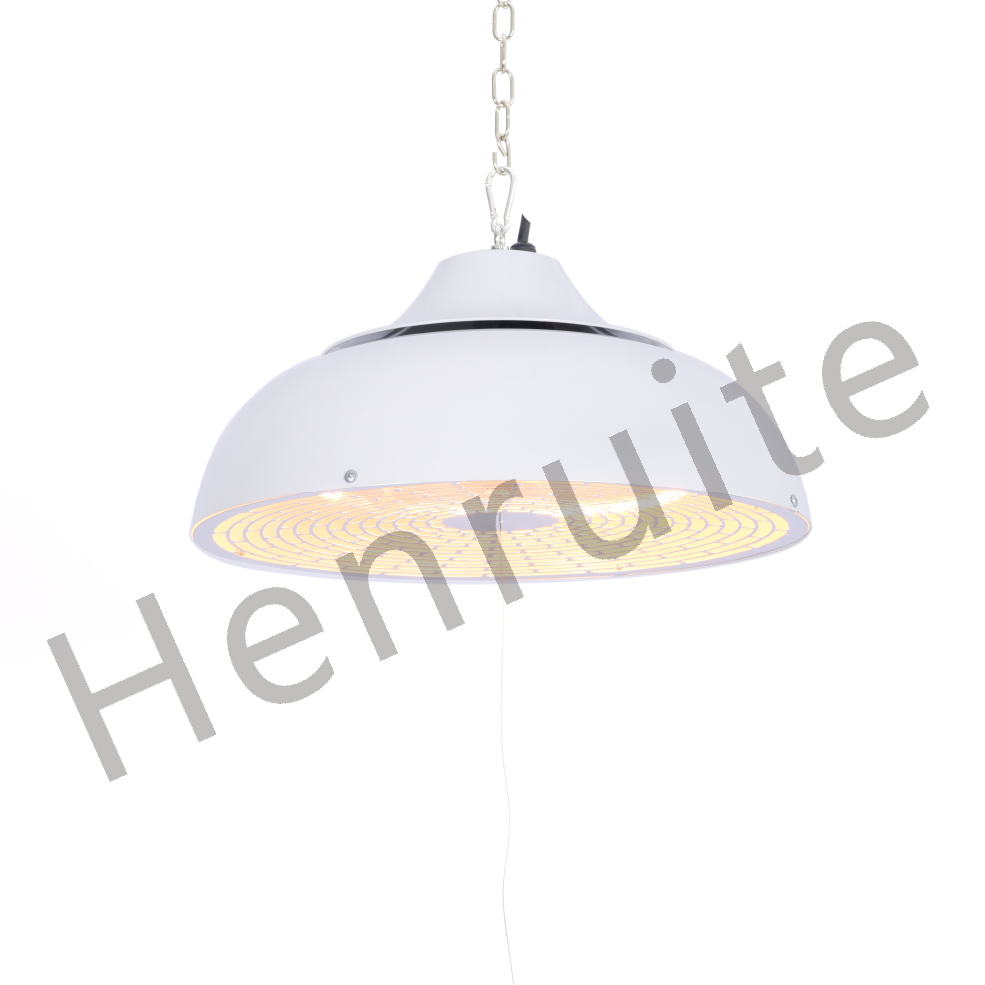
The best part about shortwave lamps is that they’re instant. You don’t have to turn them on an hour before you wake up; you hit the switch and you feel it immediately. We use quartz glass tubes because they’re the most efficient way to get that heat moving. But there’s a catch: the “cold spot” problem. If you slap one massive 2000W lamp in a big room, you’ll have one scorching hot spot right underneath it and freezing cold corners everywhere else. It’s miserable. Instead, try splitting the load. Two smaller lamps spread apart will give you a much more comfortable, even glow.
Don’t Cut Corners on the Wiring
Please, just put this on its own dedicated circuit. These lamps pull a lot of juice the second they kick on. Check your cable gauges. If you’re running 1500W or more in a damp room, a loose connection in the junction box is a disaster waiting to happen. It’ll arc and burn out fast. And make sure that IPX4 housing is hugged tight against the ceiling. You don’t want moisture sneaking into the electrical terminals. It’s a small detail, but it’s the difference between a cozy bathroom and a call to the electrician.