Stop Your Glass From Shattering: A Practical Guide to Thermal Shock
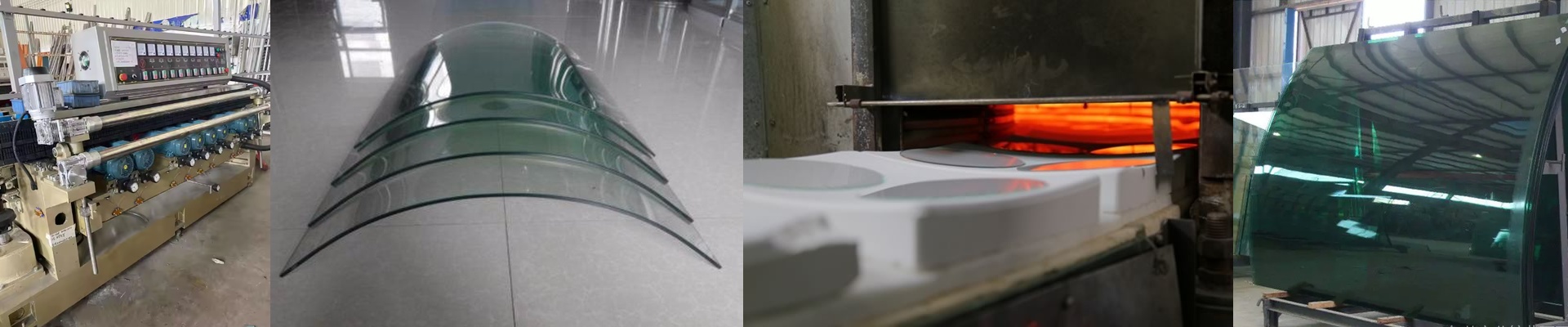
Anyone who’s worked with glassware knows that feeling of dread when you hear that sharp crack. It usually happens because the temperature jumped too fast, and the glass just couldn’t keep up. When you hit cold glass with a blast of high heat, it stresses the material until it gives up. We deal with this by using shortwave infrared (IR) lamps. The trick isn’t just the heat—it’s how we control it.
Getting the Power Curve Right
Here’s the thing about shortwave IR: it doesn’t just warm the surface. It sinks deep into the glass, hitting the molecular level almost instantly. It’s way faster than a convection oven. To keep things from exploding, we pair these lamps with thyristor power controllers or SCRs. This lets us dial the wattage up in stages. Think of it like a dimmer switch. You want a smooth ramp-up so the glass expands evenly. If you go too fast? Everything shatters. But if you’re too cautious, your production speed crawls. It’s all about finding that sweet spot.
The Hardware Side of Things
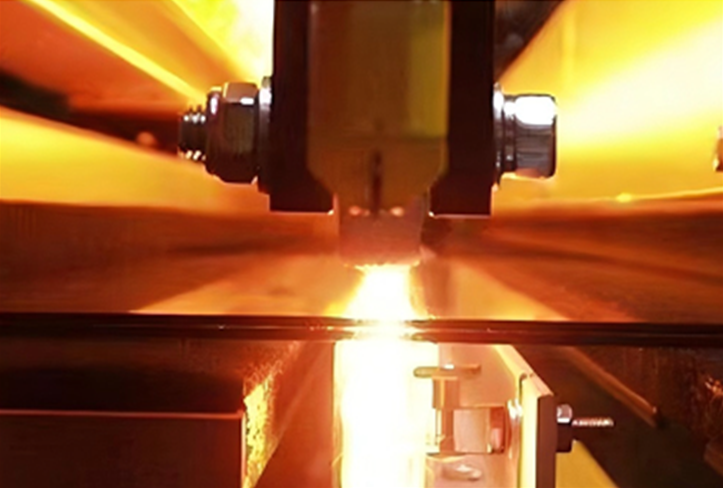
We go with halogen-filled quartz tubes because they can handle much higher temperatures than your standard bulbs. It puts a lot of concentrated energy exactly where it needs to be: on the mold surface. But you have to be careful with your specs. If you cram too much wattage into a tube that’s too short, you get hotspots. That’s a recipe for a distorted mold frame. Plus, we use standardized connectors. Why? Because tubes eventually burn out. When that happens mid-shift, you want a “drop-in” replacement that takes seconds, not a project that kills your whole afternoon.
The Trade-off: Dealing with the Heat
Here is the catch. These high-power arrays put off a ton of waste heat. Even though the radiation is hitting the glass, the housings and reflectors are still soaking up a lot of energy. If you don’t have a solid plan for cooling—whether that’s heavy-duty fans or water-jackets—your hardware is going to take a beating. Overheated housings kill the lifespan of your lamps. Keep your heating cycles balanced with actual cooling intervals. Your gear will last longer, and you’ll spend a lot less time replacing parts.