Stop Just Replacing Lamps—Start Fixing Your Line
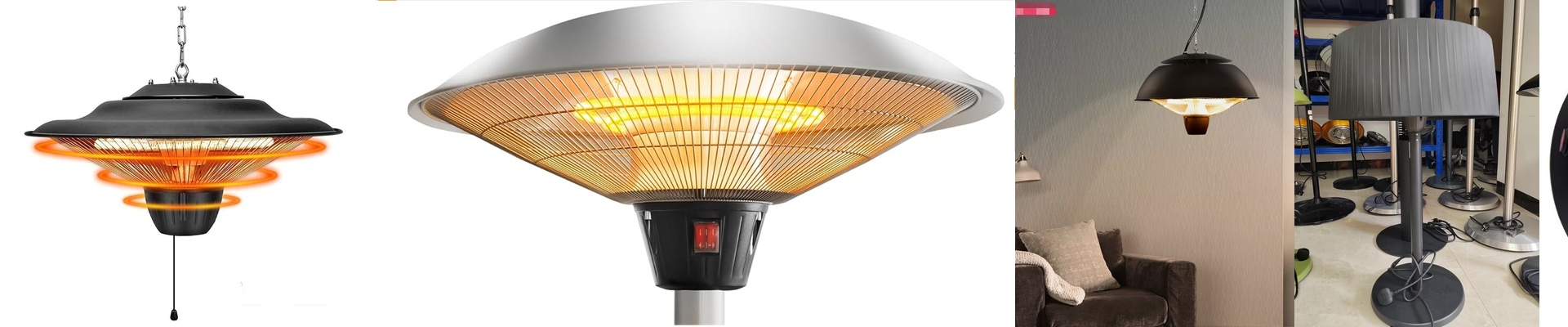
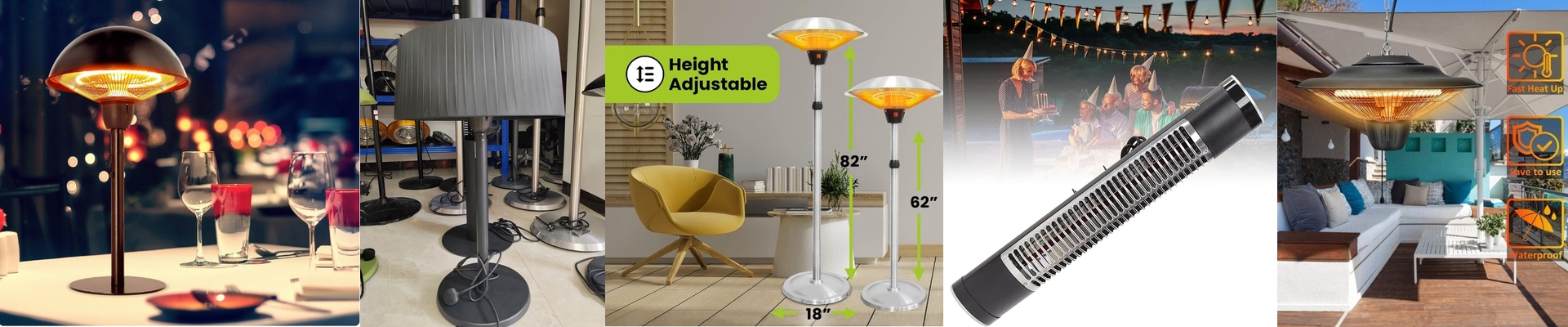
Buying a new preheating lamp is easy. Anyone can order a part and swap it out. But actually getting your tempering line to run perfectly? That’s a whole different ball game. We don’t just mail you a box of tubes and wish you luck. We want to know how your heat density actually matches up with your glass thickness and how fast your conveyor is moving. Because if those aren’t in sync, you’re just guessing.
The real story behind the heat
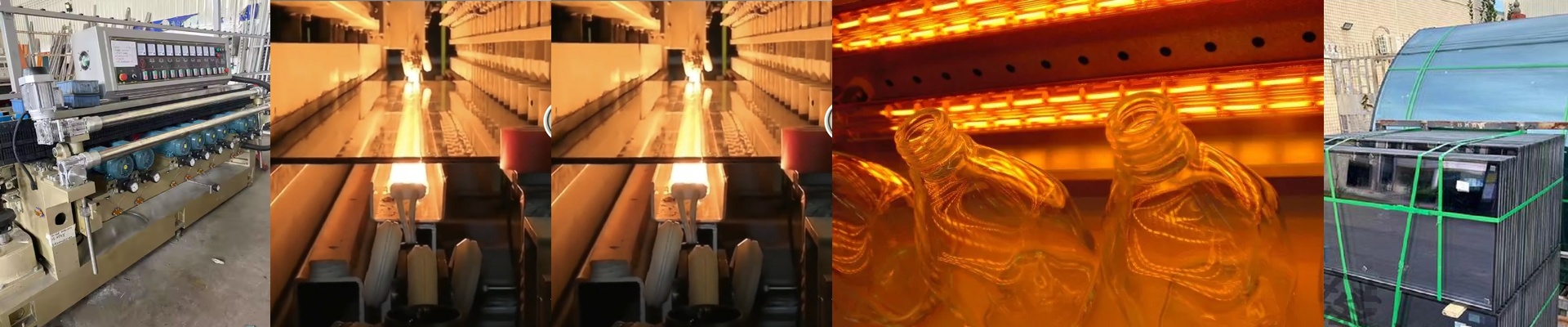
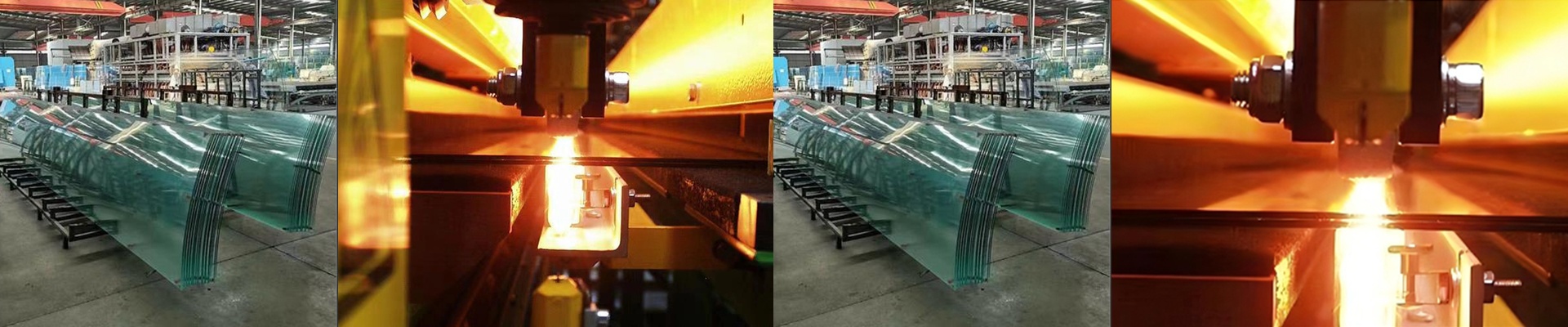
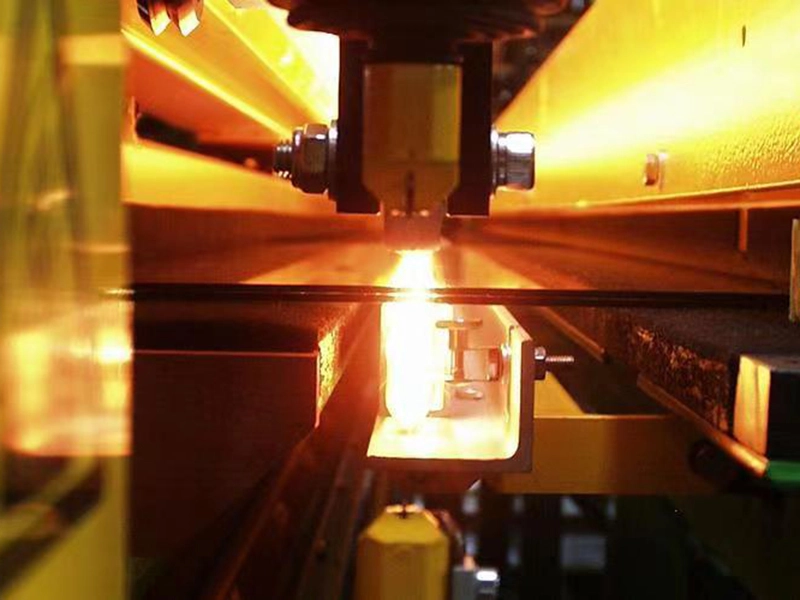
Getting glass up to that softening point needs to be smooth and uniform. If you’re using high-wattage shortwave quartz lamps, you’re dealing with a massive amount of energy. Here’s the thing: a 2kW lamp doesn’t just heat the glass. It puts a real strain on your electrical busbars and holders. If we see your voltage dropping or your current spiking, it usually means you’re over-driving the filaments. That’s the fastest way to burn through lamps and waste money.
It’s all in the details
Most people use quartz envelopes, but the coating is what actually changes the game. Clear quartz is great when you need raw power to penetrate the glass quickly. But sometimes, the surface gets too hot before the core even warms up. That’s where coated tubes come in—they shift the spectrum to keep things balanced. And don’t ignore the connectors. Whether you use R7s or Sk15 depends on how much your machine shakes. If a connector isn’t seated just right, you get hot spots. And hot spots melt housings. It’s as simple as that.
The balancing act
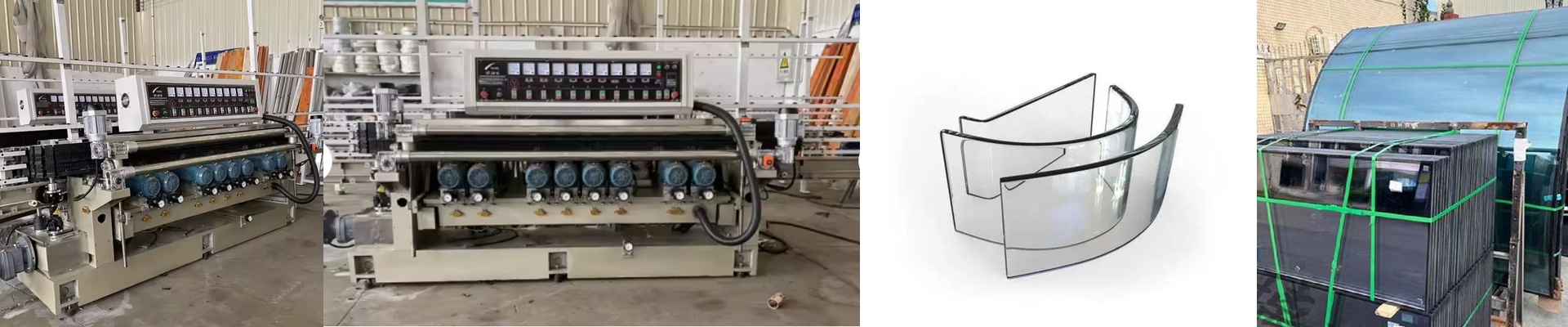
It’s tempting to just crank up the wattage to speed up your cycle time. But there’s a ceiling. Pushing 400V through a high-density tube is risky. If your glass isn’t staged perfectly, you’re looking at thermal shock. Plus, your cooling system has to be able to handle the extra heat building up in the chamber, or the whole system suffers. That’s why we’d rather come to your shop and see it in person. A spec sheet is just a piece of paper; it doesn’t show you where your heat is leaking. We prefer to measure the actual surface temperature of your glass and compare it to what the lamp is supposed to be doing. That’s how you stop burning electricity and actually hit your targets.