Getting Your Glass Tempering Right After Silk-Screening
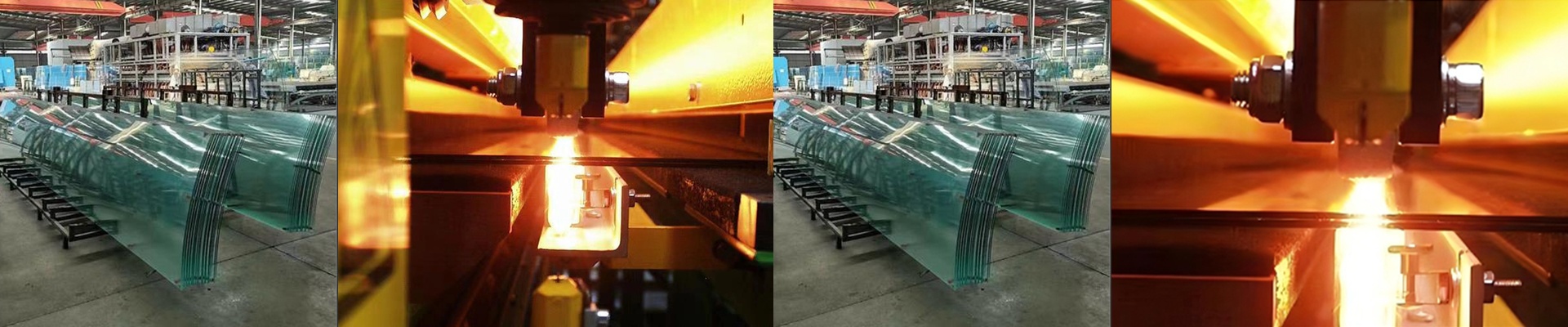
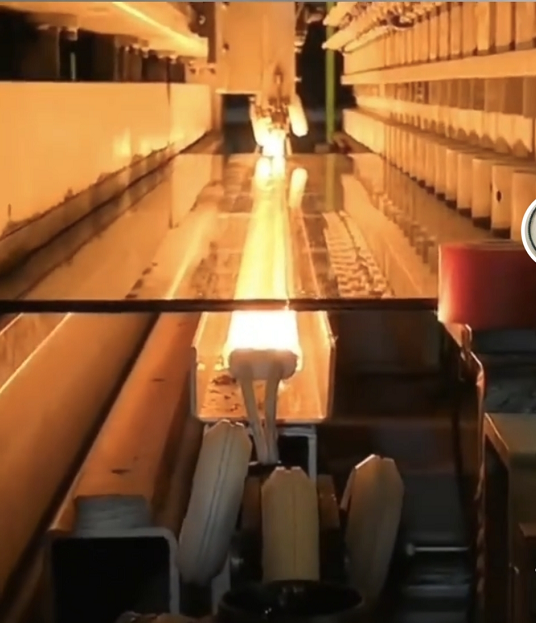
If you’ve ever run a silk-screened glass line, you know the headache. It feels like a constant tug-of-war. Heat it too slowly, and your ink starts to bleed or blur. Blast it too hard? Now you’re dealing with warped glass or thermal shock. It’s a nightmare. That’s where short wave infrared (SWIR) tubes come in. Instead of messing around, they just push high-intensity energy straight into the glass. The secret is in the speed. Most heaters just warm up the air around the glass, which is a waste of time. SWIR is different. It hits the substrate directly. We use high-wattage quartz tubes that dump a massive amount of heat onto the surface in a matter of seconds. Because it ramps up so fast, the silk-screened pattern sets firmly before the glass even hits its critical tempering temperature. The result? Your lines stay sharp, and the bond is rock solid. But look, it isn’t just “plug and play.” You have to be smart about it. Since these tubes pack such a punch, you can end up with hot spots if your lamp spacing is off. If you aren’t careful with the distance between the tube and the glass, you’ll see “zebra striping” or weird stress patterns. And a pro tip: make sure your cooling fans can actually handle the heat these things throw off. If they can’t, your electronics are going to fry. Putting it to work on the floor. The good news is these tubes are designed to just slide into your existing heating arrays. We use reinforced quartz because we know shop floors are loud, shaky, and rough. They can take a beating. For the people actually running the machines, this means fewer rejects and faster cycles. You can just tune the power to fit the job. Working with thicker glass? Crank up the wattage. Dealing with a finicky, delicate ink? Dial it back. It just makes the whole process feel a lot less like a gamble.