The Truth About Twin Tube Infrared Elements
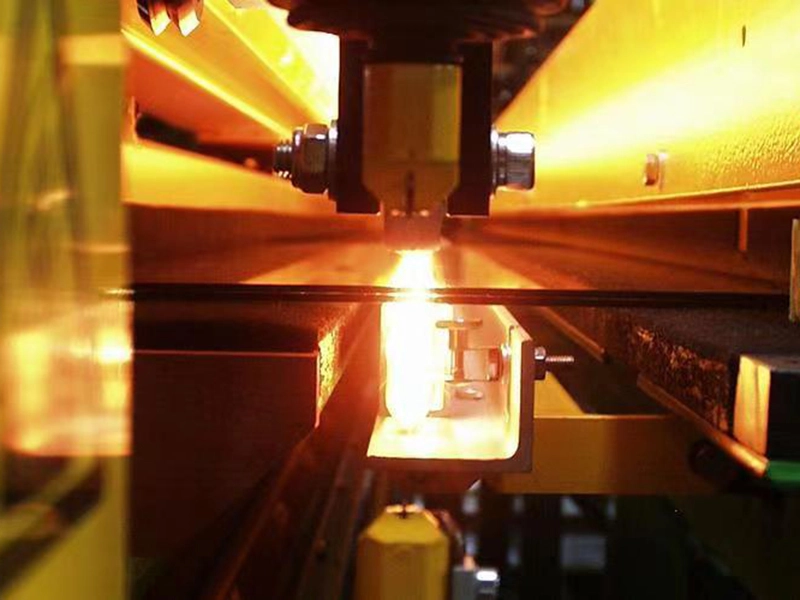
Most standard heating lamps just don’t cut it when you need a ton of heat in a tiny space—usually, you end up scorching your material before it actually gets warm. That’s why we build twin tube elements. We basically nest one quartz tube inside another. It’s a simple trick, but it gives you way more radiating surface area without taking up more room on your line.
Getting the Power Right
Here is where a lot of people trip up: the balance between voltage and wattage. If we spec a 400V tube for a high-wattage job, we’re doing it to keep the current draw down. Why? Because nobody wants their wiring to melt. Now, a 2500W element puts out a massive amount of heat, but you’ve got to make sure your cooling fans can actually keep up with the heat building up around the housing. If the air doesn’t move, the tube burns out. Period.
The Stuff We Use
We stick with high-purity quartz. It handles the “shock” of rapid heating and cooling much better than your average glass. Depending on what you’re heating, we can add specific coatings. This is key because it changes how the heat behaves—making sure it actually sinks into your material instead of just bouncing off the surface like a mirror. For the plugs, we use R7s or Sk15 connectors. They’re standard, so they should slide right into most industrial rigs without you having to mess around with custom adapters.
Why We Need to See Your Setup
You can’t just pick a thermal fix from a catalog and hope for the best. A twin tube element is a tool, but it isn’t magic. We prefer to come out to your floor and actually see things in person. The distance between the lamp and your workpiece changes everything. Too far, and you’re wasting energy. Too close, and you’ll get hot spots that ruin your product. We’ll look at your cycle times and how thick your material is to figure out if you need shortwave or medium-wave. We provide the hardware, but getting the physical layout right is what actually hits your production numbers.