Introduction
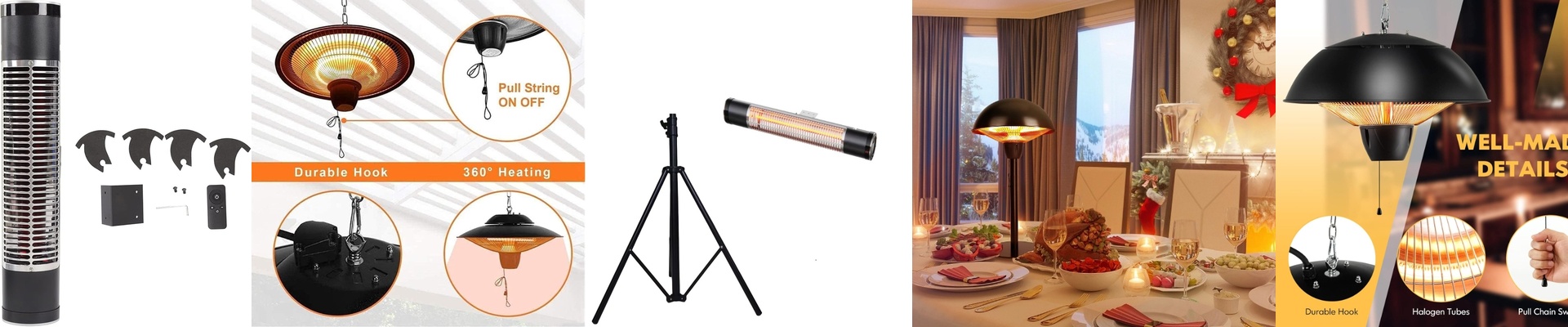
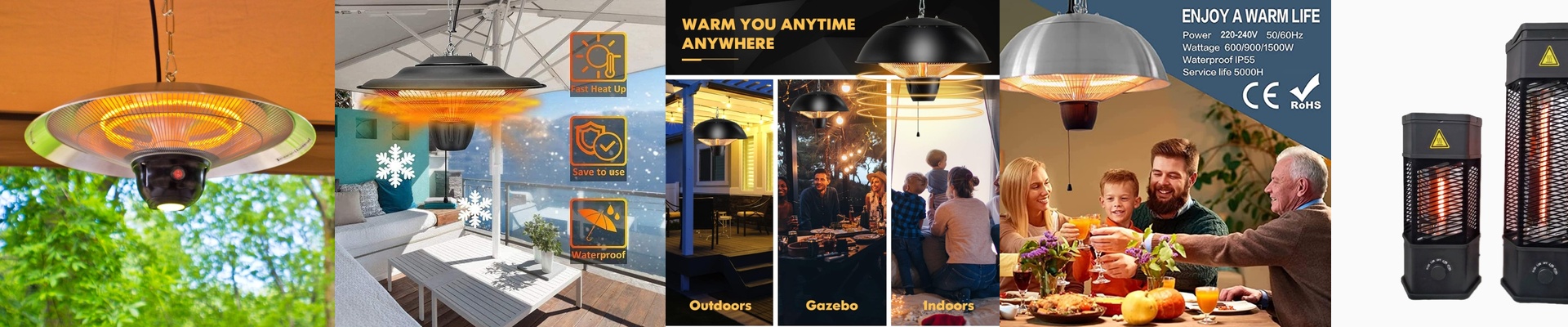
We built this infrared heating element for one very specific reason: it has to work safely where the air is thick with moisture—think bathrooms, wash-down areas, places where water is just part of the daily routine. The one thing we wouldn’t budge on?**Total electrical isolation.**You need heat that hits hard and stays focused, without the fear of short circuits or parts giving up on you.
Technical Deep-Dive: Specs That Define Performance
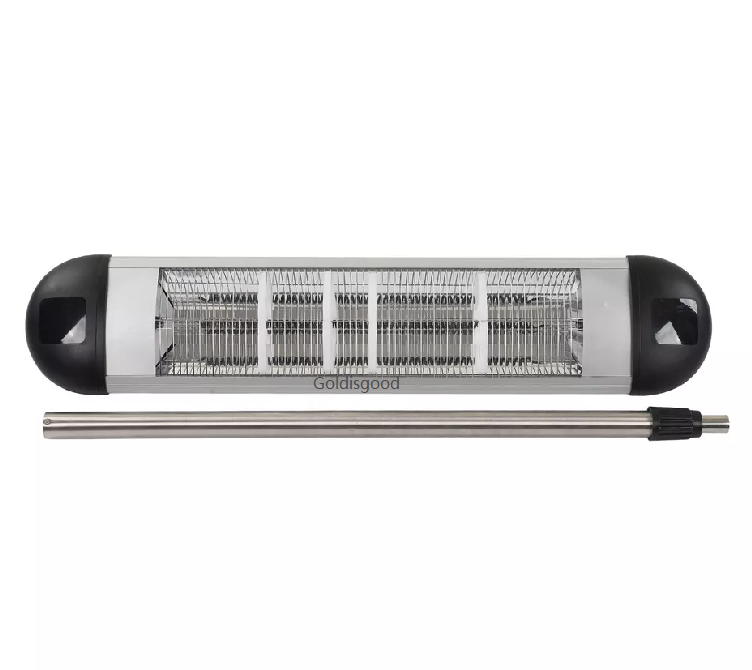
Here’s the backbone: an IP65 rating. In plain terms, it’s dust-tight and can take low-pressure water jets without blinking. That sealing is your first real shield against moisture getting inside. Inside, it runs on standard industrial voltage and packs a lot of power into a small footprint. You get serious heat output without needing a giant unit. But with that kind of power density, you do need a solid plan for managing the heat. We chose a 300mm length on purpose—enough spread to deliver even warmth, but still easy to fit into existing fixtures.
Material & Design: The Physics of Protection
The heating heart is a quartz tube with a halogen filament. Quartz is tough—it handles sudden temperature swings and stays stable when things get seriously hot. The halogen cycle keeps the filament clean, which helps the element last longer. For IP65 protection, we sealed the housing completely and added a high-grade insulating coating. That coating acts like a dependable barrier, keeping the live electrical parts safely separated from the outside world. And the R7s connector? It’s an industrial standard for a reason. It gives you a secure, high-temperature connection that won’t loosen or break down when things heat up and cool down, again and again.
Application & Benefits: Solving the Engineer’s Problem
In a damp bathroom, traditional exposed heaters don’t just struggle—they fail quickly. Our IP65 infrared element is built as a direct drop-in replacement, so the switch is straightforward. Because the design is fully sealed, you don’t have to worry about electrical leakage caused by condensation. You get heat the moment you need it, focused right where you want it, without wasting energy heating the air. Now, there’s a trade-off you should know: that high power density creates strong, localized heat. So your mounting bracket and the fixture around it need to be rated for those temperatures, or you risk damage over time. This is the kind of solution you lean on when electrical safety is the top priority—when you need heat you can trust, even in the wettest, toughest spots.