Fixing those annoying cold spots in your glassware
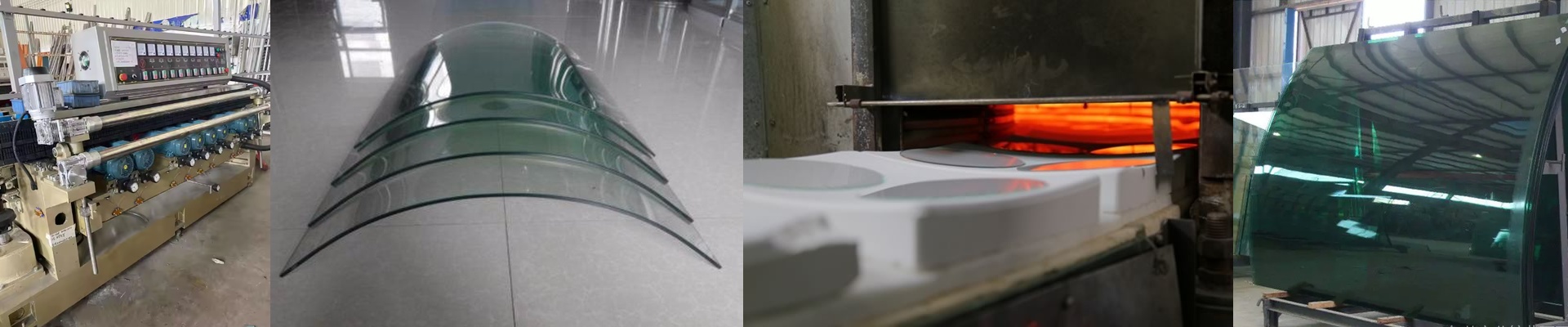
If you’ve ever worked with flasks or anything with a narrow neck, you know the struggle. You pull a piece out of the kiln thinking it’s perfect, only for it to crack later because of a “cold spot.” It’s frustrating. Those irregular shapes just don’t heat evenly in a standard kiln, leaving you with internal stress and broken glass. We found a way around this using twin-tube infrared heating lamps. Why two tubes are better than one Think of a single tube like a flashlight—it hits one spot, but leaves gaps everywhere else. It’s too linear. By using two tubes and offsetting them, we basically double the heat hitting the glass. The radiation fields overlap, which is the secret sauce. It means the curved walls and those tricky recessed bases actually get the energy they need. No more guessing if the bottom of the vessel is actually up to temp. The nitty-gritty on power We go for high-wattage density here. By packing more power into a shorter quartz envelope, the heat hits almost instantly. This is a lifesaver when you’re loading the kiln and the temperature dips. It bounces back fast. Just a heads-up: make sure your power supply can actually handle the extra load of the twin-tube arrays. You don’t want your voltage dropping right in the middle of a cycle. Picking the right gear We stick with high-purity quartz. It’s the only way to survive the constant heating and cooling without the lamps giving out. Most of these use R7s or Sk15 connectors, so they snap right in. If you’re retrofitting an old kiln, take a look at your wiring first. Since these pumps out more heat, your chassis and vents need to be able to breathe. You don’t want the housing overheating while the glass is annealing. How it actually works in the shop The trick is to install the lamps in a staggered array. This forces the IR waves to bounce around and sneak into the “shadow” areas where heat usually can’t reach. And here is the best part: you can stop wasting time with endless soak periods. Since every part of the glass hits the target temperature at the same time, your cycle times drop. You get your pieces out faster, and they actually stay in one piece.