
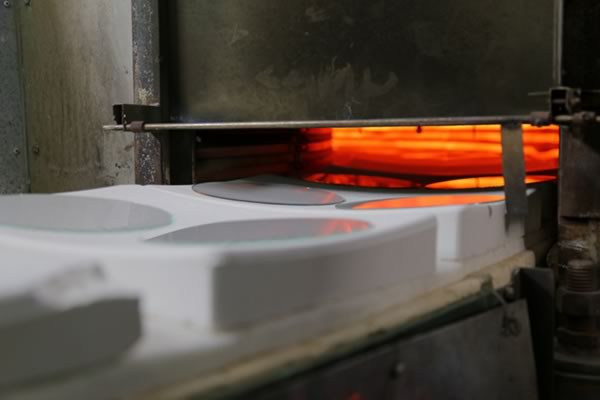
Stop the Chipping: Why Preheating Your Glass Actually Works
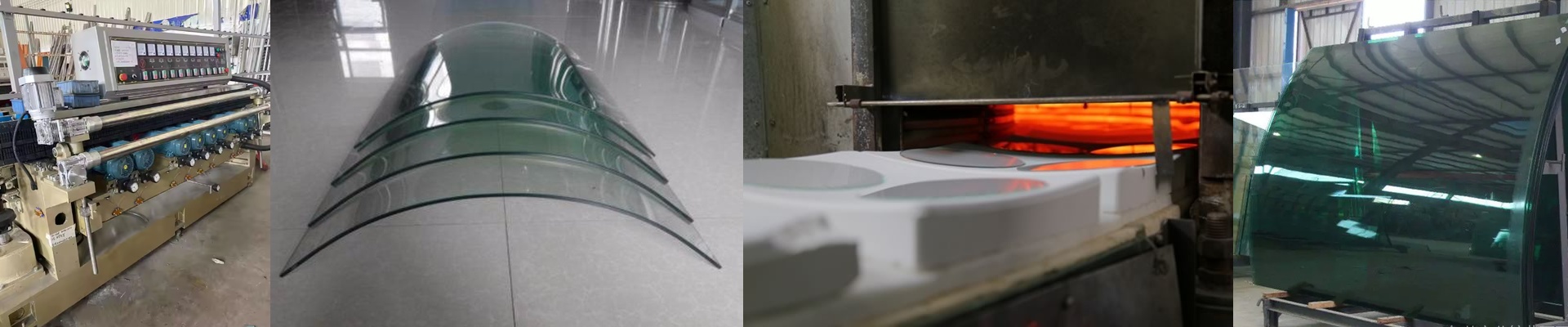
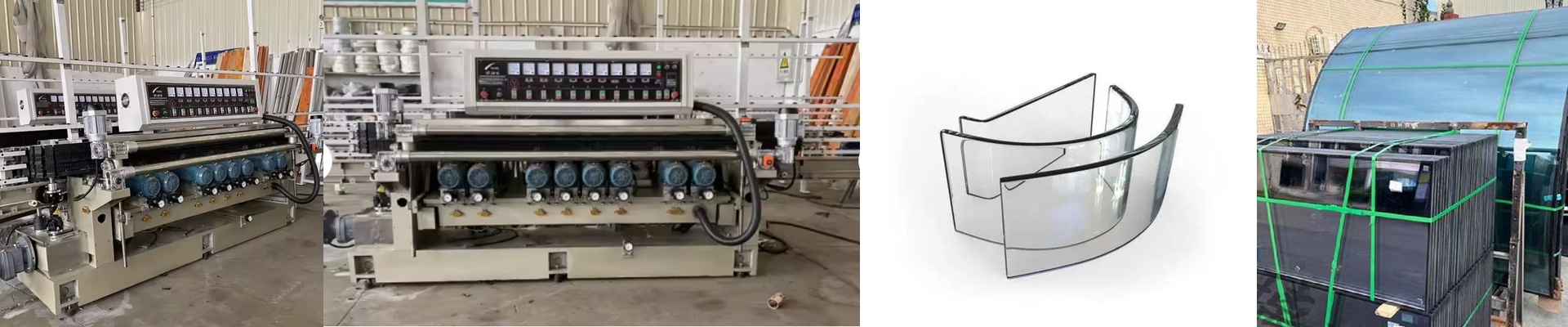
Let’s be honest: glass is a pain to work with. It’s brittle. When you run a cutting wheel over a cold sheet of glass, you’re fighting internal stress the whole time. That’s usually where those annoying chips and shells come from—right at the edges where you need it to be perfect. We’ve found a way to stop that. The trick is using Precision infrared (IR) lamps to warm up the glass right before the cut. Why heat it up? Think of it this way: IR lamps don’t just blow hot air around. They shoot energy straight into the glass surface. By warming up that specific cutting zone, we make the glass a bit more “relaxed.” The viscosity drops, the surface tension eases up, and the fracture line actually goes where you want it to. The result? A clean break. And if you’re tired of staring at a pile of scrap at the end of the day, this is how you fix it. Getting the heat right You can’t just throw any lamp on the line. You need a lot of heat, and you need it fast. We usually go with short-wave IR lamps because they actually soak into the glass rather than just bouncing off the surface. But there’s a catch. If your wattage is too low, the glass stays cold and you’re back to square one. Too high? You’ll shock the glass and crack it. It’s a balancing act between how much power the lamp puts out and how fast your conveyor is moving. The messy reality of the shop floor Putting these into a production line isn’t always pretty. Space is tight. We use quartz envelopes because they can take the heat without warping into something useless. But keep an eye on your gear. These lamps get incredibly hot. If your vents are blocked or your cooling fans are choked with dust, you’re going to melt your wiring or warp your brackets. It’s a headache you don’t want. And please,check your alignment. If the lamp is even slightly crooked, you get hot spots and cold spots across the glass. That temperature gap can actually cause more chipping than if you hadn’t heated the glass at all. Make it a habit to check your focal point every single shift. It takes a minute, but it saves your day.