Introduction
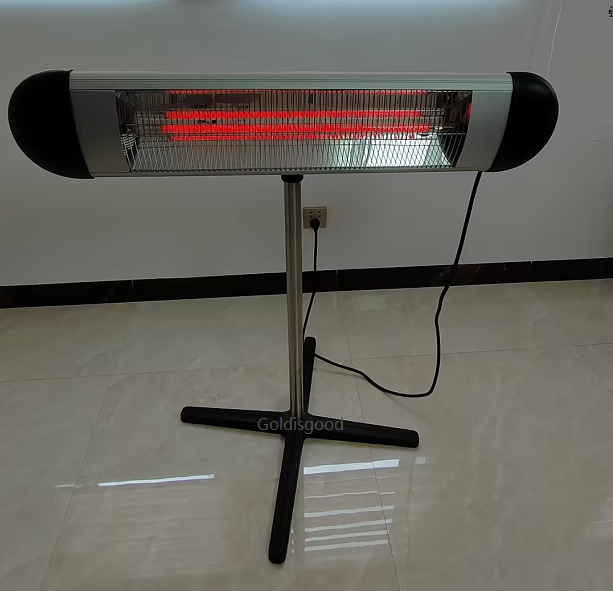
We’re building something different here—smart infrared heaters built for the real world. The kind of places where you need heat you can trust, not just feel. This isn’t about brute force. It’s about control. The heart of the system is a high-output halogen heater that doesn’t just get hot—it actively reads the room, adjusting on the fly to keep things exactly where you need them. Think shoe drying, industrial heating—jobs where steady, pinpoint warmth is the only option.
Power and Configuration: Built to Perform
Under the hood, we’re talking serious electrical muscle. We lean on high-voltage setups, like 400V, to really wake up those halogen elements. That power translates to wattage that runs from 1500W to 2500W, depending on the job. But raw power isn’t much good if it’s a pain to install. That’s why we stick to standard tube lengths—300mm is a go-to. The payoff? You can swap these in as a direct replacement for what’s already in place. No redesigning. No headaches. Just plug and play.
The Core: Where the Heat Happens
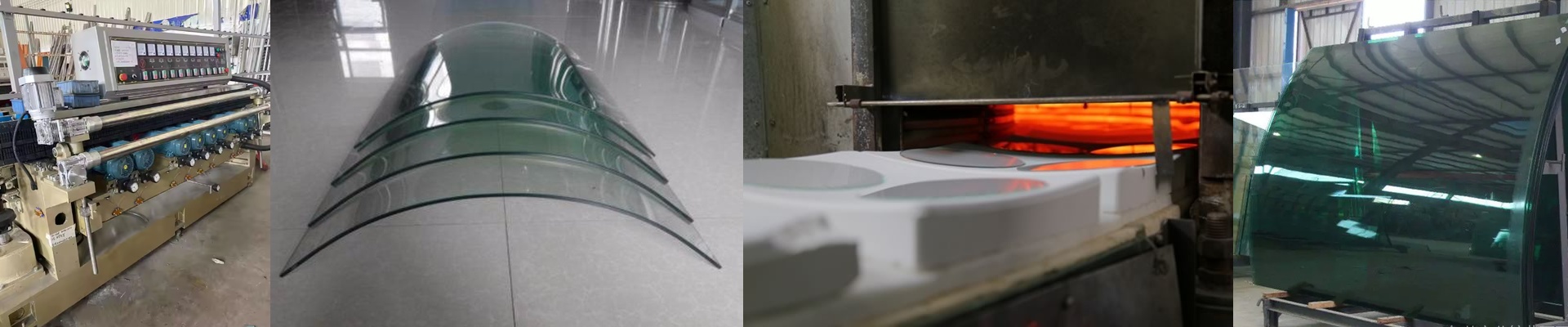
The magic happens inside a quartz tube. That’s where the halogen element lives, and the choice of quartz isn’t by accident. It handles extreme heat swings without cracking, so the heater can go from cold to scorching fast—and cool back down just as quickly. Inside, the halogen cycle keeps the filament healthy, which means longer life and fewer surprises. And for the connection? We use an R7s connector. It’s a solid, high-current link that’s easy to wire up and tough enough to handle the constant vibration of shop-floor gear.
Real-World Use: Warmth That Works
Picture a shoe dryer. The heat is focused, instant, and infrared—so it gets deep into materials without burning the surface. And because the system adapts to its surroundings, it holds the target temperature even when airflow or the environment changes. Now, here’s the thing—with that kind of power density, you do get a lot of localized heat. A 400V, 2500W unit throws off serious warmth. That means your machine’s cooling system needs to be up to the task, or nearby components can run hot. We always bake that reality into the design from day one.