

Electric Fireplace Heater: Warmth That Actually Respects Art
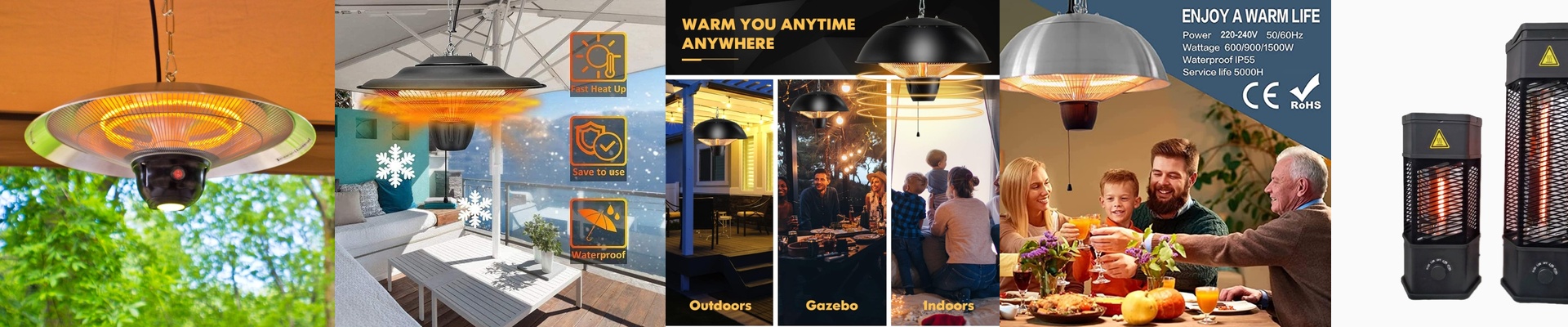
We built this electric fireplace heater for one reason: to solve a real headache for art galleries and museums. You need heat. But you can’t risk it. Not with priceless canvases, fragile wood, or delicate paper. Standard convection heat? It’s the wrong move. It stirs up dust and pushes moisture around—both of which speed up damage. So we went a different route: radiant heat. It warms objects and people directly, skipping the air altogether.
Power You Can Trust, Control You Can Feel
This heater runs on a dedicated circuit, usually 220–240V, so it can handle the thermal load without tripping over the building’s regular wiring. The output is set in kilowatts, which means you can dial in the exact heat profile you want. It’s not about cranking up the temperature. It’s about holding a steady microclimate right where you need it—around a specific exhibit. And the unit is designed to stay out of sight. It fits into existing architecture or custom cabinetry, so you get targeted warmth without messing up the look of the space.
The Heart of It: The Halogen Core
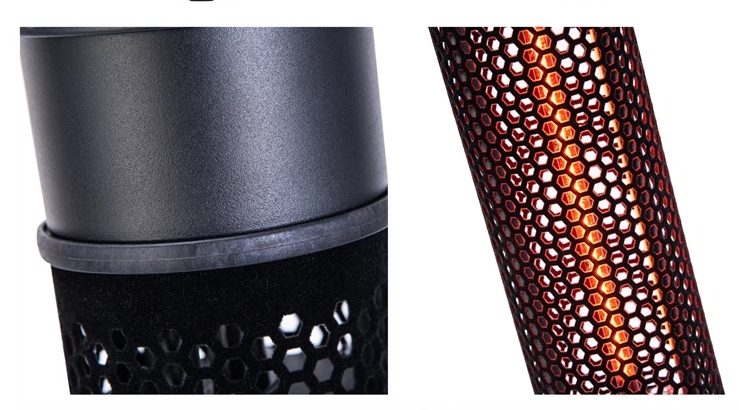
At the center is the halogen infrared emitter. We use high-purity quartz—not glass—because it handles the shock of turning on and off fast, again and again. Inside, the halogen gas cycle keeps the filament clean. That’s what gives you long lamp life and keeps the light and heat steady over thousands of hours. The R7s base is the industry standard for high-intensity lamps. It locks in with a secure two-point connection that can handle high current, and it stays put even with foot traffic vibration. No wobble. No surprises.
Warmth Without the Risk
Here’s the beauty of it: infrared heats surfaces directly. The air? It mostly stays as it is. No convective currents to spread contaminants. No drying out the environment. For conservators, that means better control over relative humidity—critical when you’re protecting organic materials. The heater warms visitors and the immediate exhibit area, while the surrounding air around the collection stays undisturbed. There is one condition: line of sight. The heater needs to be aimed at the target zone. But in a well-planned gallery, that’s easy. We position it to create a clean, comfortable zone. The payoff is warmth you can feel—without putting what matters most at risk.