Why Infrared is the Only Move for Mirror-Finish Glass
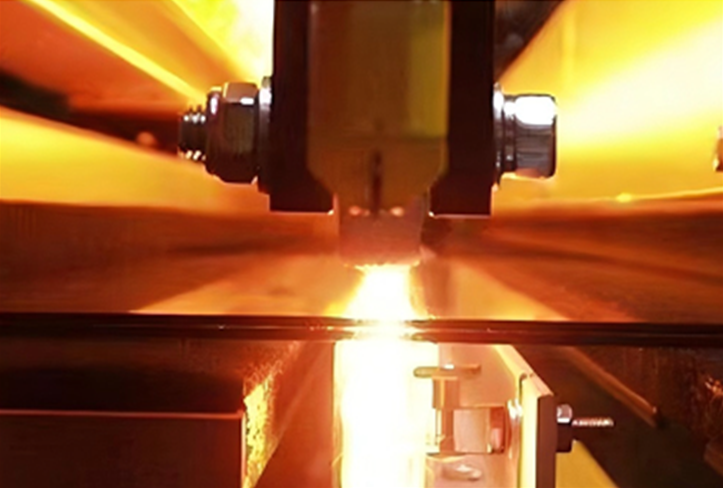
Let’s talk about the Mirror Silvering Drying Lamp. It’s built for one thing: getting that glaze so smooth, it looks like a mirror. And that takes serious heat. Standard heating just can’t get you there. It’s too slow, too spread out. You end up with uneven spots and a finish that’s just… off. Here’s the thing about infrared, specifically shortwave halogen. It doesn’t waste time heating the air. It goes straight for the glaze, hitting it from the inside out. The result? The glaze melts deep and even, all the way through. You get that crystal-clear, glass-smooth finish that makes high-end decorative glass look so good.
The Power Behind the Polish
This lamp is all about packing a serious punch into a small space. It’s engineered for one job: deliver intense heat, fast. It runs on high voltage, typically 400V, which lets the tube stay compact without losing power. We’re talking 2500W of heat concentrated on a 300mm tube. That’s the kind of heat density you need to hit the deep-fusion temperature for a perfect mirror finish. And that 300mm length? It’s not random. It’s a perfect fit for standard glass processing lines. The heat zone covers the whole surface without wasting a single watt. It’s a direct-fit solution, not some clunky afterthought.
What Makes It Tick: Quartz, Halogen, and R7s
You can’t have this kind of focused power without the right build. The whole thing is housed in a quartz tube. Quartz handles the shock of turning on and off at full power, no problem. Plus, it lets the infrared energy through with almost zero loss. Inside, the halogen element is what gives you that shortwave output. It’s tuned to hit the exact absorption profile of glass and ceramic glazes. You’re heating the material itself, not the air around it. And the R7s connector? It’s the standard for a reason. It’s a solid, two-pin design that handles high current safely and keeps the connection rock-solid. That means it’s a true drop-in replacement—just wire it up and go.
What This Means on the Shop Floor
This setup solves real headaches. Because the heat is so intense, your line can move faster. And the lamp fires up in seconds. No waiting around for it to warm up like other systems. It’s also efficient. You’re heating what matters—the glaze—not the whole factory. And with the R7s connection, installation is a breeze. Minimal downtime. But, and this is important, that kind of power comes with a catch. You need to plan for the heat. The lamp throws off serious energy, so your machine’s cooling system has to be up to the task. You’ll need proper airflow or water cooling to keep everything else around it from overheating. It’s the price you pay for speed and precision. Bottom line? This lamp is a tool, pure and simple. It’s engineered for one specific result: a deep, flawless fusion that gives you a mirror-smooth glaze, every single time.