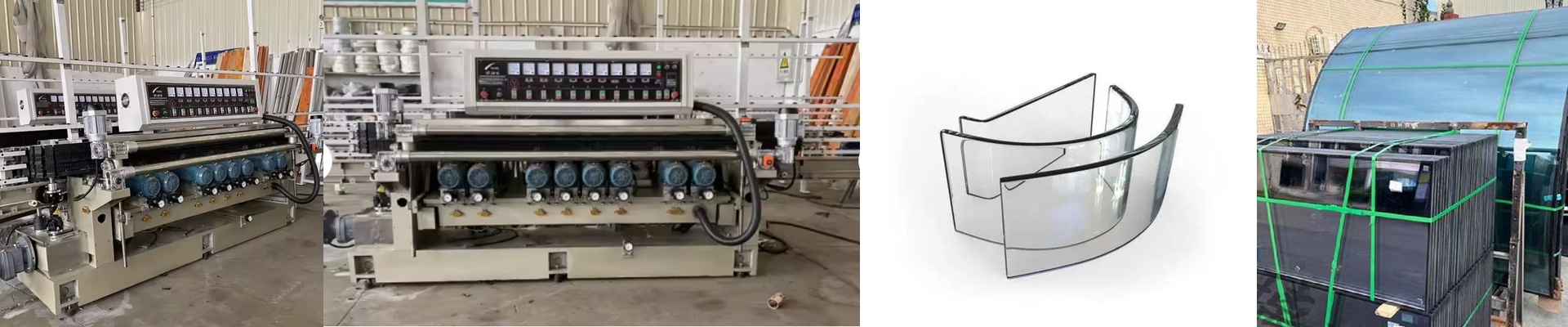
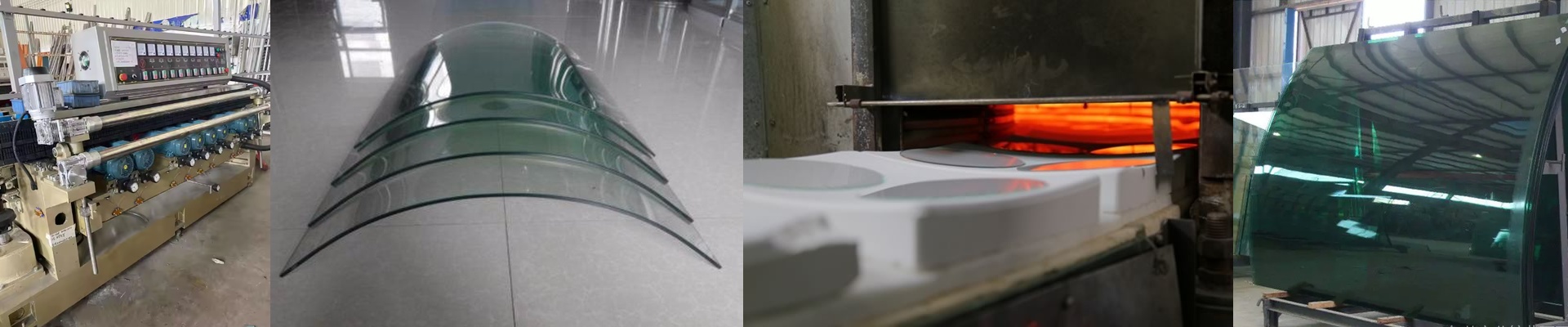
Out on the line, a score that doesn’t run clean isn’t just scrap—it’s lost throughput and a safety headache. Convection ovens and hot-air blowers drag out dwell time, drift in temperature, and leave you with micro-cracks, ragged edges, and break behavior that changes from shift to shift. The glass score-line heating lamp cuts through that guesswork by putting controllable heat right where you need it. What makes it work We lean on near-infrared (NIR) quartz emitters to deliver fast, directional energy with minimal air movement. The wavelengths are tuned to heat the surface quickly, so the glass hits the right score temperature without soaking the whole thickness. Reflector geometry is shaped to give a uniform thermal band along the score line—fewer hot spots, less thermal stress. You can dial the output to match line speed and glass thickness, and the housing is built for 24/7 industrial duty, with standard mounting and terminals so it drops in and gets to work. Where it fits in your day This lamp slides straight into the workflows that live and die by a clean score—tempering lines, bending stations, coating drying, lamination prep, and insulating glass sealing. Heat comes on immediately, so cycle times tighten up, and you stop heating the room instead of the glass. The payoff is consistent break behavior, fewer rejects from edge damage, and less downtime chasing scores that won’t behave. A few shop-floor realities NIR heats the surface, so emissivity and coating stacks will shift absorption and need tuning. Start with a thermal scan and run a trial matrix across thickness and line speed. Clearance and alignment matter—hold emitter distance steady and keep the quartz clear of coolant and debris. Once you lock in the parameters, the lamp runs predictably, but like any focused heat source, it needs a documented operating window.